Rogue Trader’s Financial Toll on UBS Increases

September 19, 2011 Updated: October 1, 2015

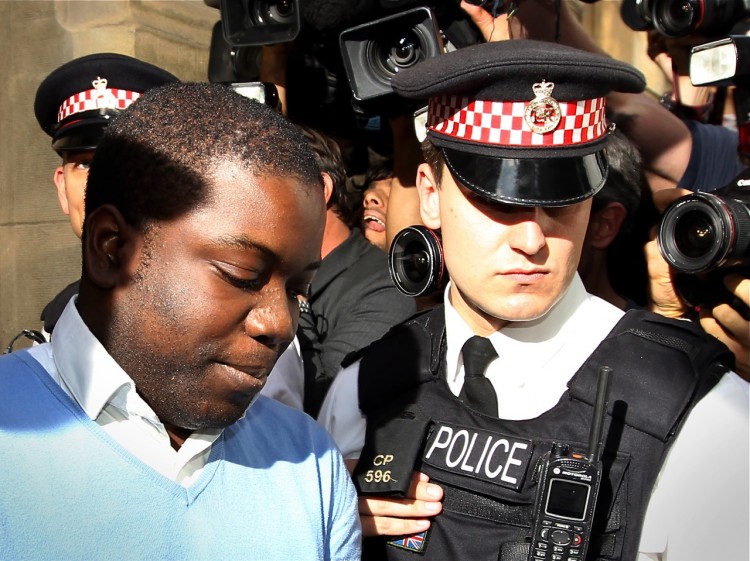
UBS trader Kweku Adoboli (L) is led into a prison van as he leaves City of London Magistrates Court in London, on Sept. 16. Adoboli allegedly engaged in unauthorized trades, losing the bank in excess of $2.3 billion.  (Adrian Dennis/AFP/Getty Images)
UBS trader Kweku Adoboli (L) is led into a prison van as he leaves City of London Magistrates Court in London, on Sept. 16. Adoboli allegedly engaged in unauthorized trades, losing the bank in excess of $2.3 billion. (Adrian Dennis/AFP/Getty Images)
Swiss bank UBS AG revised the initial toll of losses from 31-year-old trader Kweku Adoboli, to a possible $2.3 billion, $300 million above the initial estimate last week.

According to the chief executive officer of the international investment bank, Oswald Gruebel, "It is obvious that these incidents will have an influence on the strategy of the investment bank," according to a Swiss television’s Tagesschau news broadcast.

He also added, "I will bear all the consequences of the incident. They will be announced as soon as we put them in practice." This will raise questions about the predicament of Gruebel’s position as CEO. The 67-year-old German-born banker has been in his post since February 2009. He was the former CEO of the Credit Suisse Group.

Gruebel had earned his credibility in the banking industry and was brought out of retirement to revive the bank from the global financial crises in 2009.

Also based on the Swiss television channel SF’s website, Honorary Chairman Nikolaus Senn has claimed that Gruebel’s position is at risk.

Although UBS has confirmed that their clients have not been compromised due to the illegal trade, the news is sending ripples through the bank itself as well as to Wall Street analysts. The share price of the bank depreciated 10 percent after the discovery of the illicit trades.

The Swiss banking giant also announced job cuts of 3,500 in August, which is around 5 percent of its workforce, in an attempt to reduce its annual costs by $2.5 billion by the end of 2013.