
PITTSBURGH—The price of ground beef has gone up by 51 percent since February 2020. In the past year, the United States has seen record low cattle numbers because of drought over the past few years. Tariffs on imports, rising input costs, and cattle disease have also put pressure on beef prices.
The escalation will continue into this year, according to the U.S. Department of Agriculture; beef and veal prices are predicted to rise by 9.4 percent.
Steve Dawson feels your pain.
He is the proprietor of Fat Butcher, a whole-animal butcher shop in Lawrenceville, Pennsylvania. Fresh from a recent consult with his accountant, Dawson said that his beef expenses had risen 26 percent in the past year, forcing him to raise his prices.
Dawson relies on local small farmers for his meat; they are experiencing the same headwinds as everyone else.
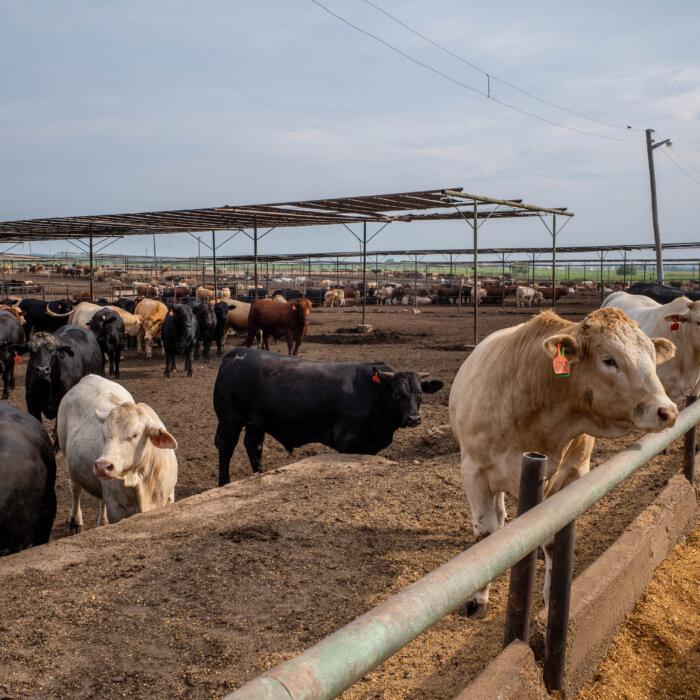

“Everything from feed costs to global beef prices” are driving up their expenditures and prices, he said.
Despite these challenges, Fat Butcher has been growing steadily since opening in 2022. For beef alone, Dawson has quintupled the amount of meat he is processing since his debut. He attributes this to not relying on advertising to drive sales but allowing them to grow organically by word of mouth and through social media posts.
‘Roast Beef’ Alternatives
Dawson’s shop offers pork, lamb, and poultry, but that won’t cut it for customers who are dyed-in-the-wool beef eaters.They come in asking for more expensive beef cuts such as rib roasts and tenderloin. He can offer less pricey alternatives, but they may require some compromises, he says.
“It may take you a little bit more time or may be a little less versatile in terms of how you have to cook it,” he said.
Still, some lower-priced cuts are ones he personally likes to prepare.
Rather than a rib eye, consider tougher cuts, which are best for braising. Beef chuck or shank and top and bottom round are good choices.
Brisket is another favorite, but prices can be higher for specialty cuts or smaller quantities. Whole brisket is generally cheaper. Otherwise, a smaller chuck roast can substitute.
If you want a more festive-style roast that you can cook to rare or medium, Dawson recommends a New York strip loin roast instead of tenderloin.
“Most people think of a New York strip as a steak,” he says. “But if it’s uncut and it’s trimmed, it will be roughly the same if not a little bit larger than a tenderloin.”
And 40 percent less expensive. Local grocers were recently selling tenderloin for about $30 per pound, while a strip roast was about $18 per pound. The cooking technique for the two is the same, he says.
He said that for those who like a fattier cut, he usually recommends tri-tips or a chuck eye roast instead of a rib roast.
A local grocery chain was recently charging up to $28 per pound for a rib roast, but tri-tips or a chuck eye roast cost about half that.
At his shop, Dawson is able offer a wider selection because he practices whole-animal butchery.
“I think in general, if you look at the factory farm approach, the New York strips, the rib eyes, and the tenderloins get taken off, and the rest of the beef will get cut up and sent to a grinder to go to McDonald’s,” he said.
Foreign Cuts
Dawson sometimes looks to other parts of the world for inspiration for lesser-known cuts. One of them is matambre, often seen in Argentinian and Brazilian steakhouses.“One of the ways they do it in Argentina is they‘ll cook the matambre and then add pizza toppings to it, and they’ll cut it in the little triangles,” Dawson said.
Matambre—which translates to “hunger killer”—must be tenderized so it isn’t too tough. It can be pounded with a mallet and cooked quickly over a high flame, left in an acidic marinade for several hours, or—especially in preparations in which it is stuffed or rolled—cooked low and slow to ensure that connective tissue breaks down.
Another method Dawson recommends for tender beef is to reverse sear it. That means cooking it at 200–275 degrees F in the oven until just below your desired temperature, then searing it quickly in a hot skillet for a few seconds to get a nice crust. Some people do the same thing on a grill.
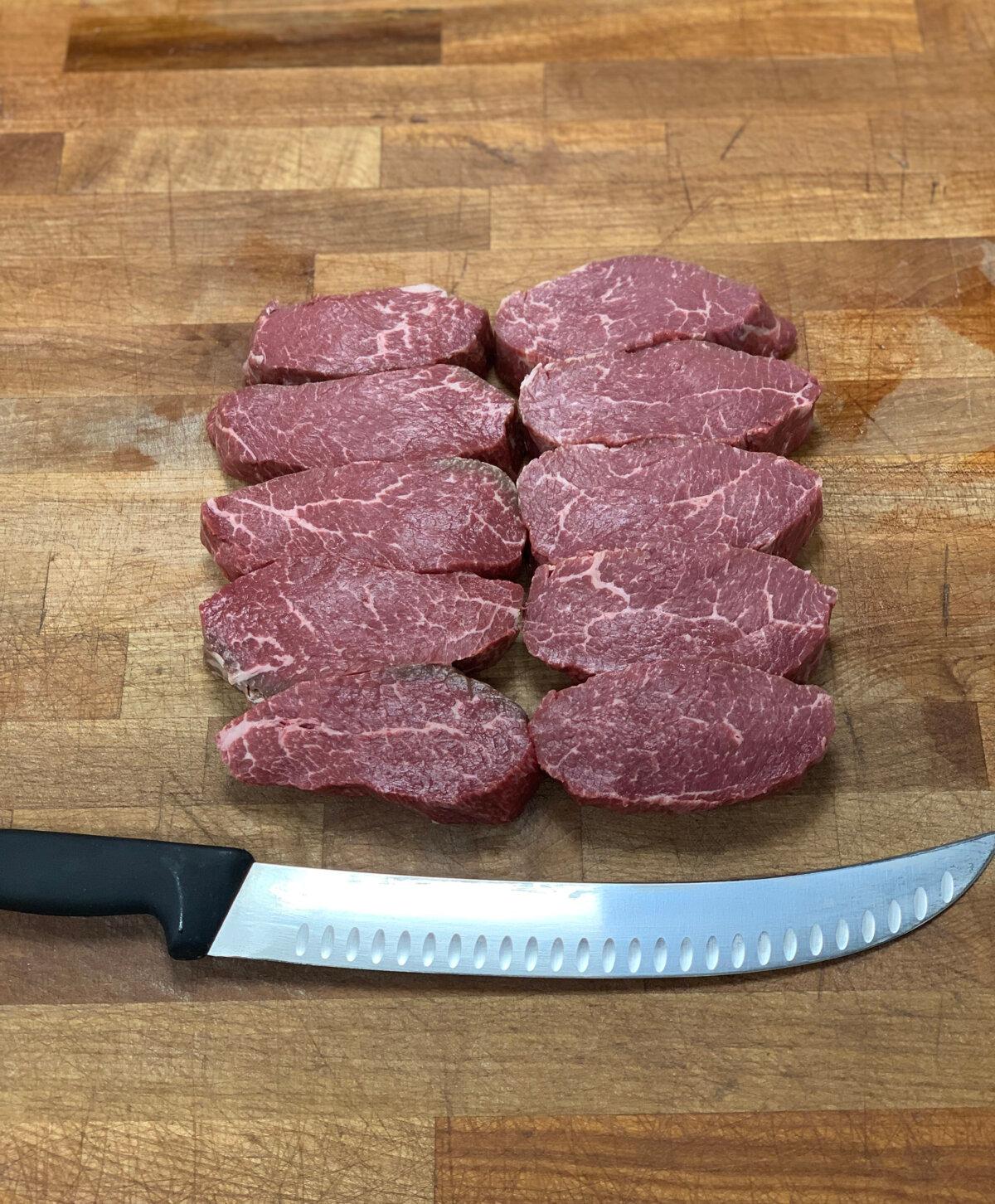
He suggests this method for another of his favorite cuts, the ranch steak. He says it’s a good “weeknight steak” to satisfy hungry teenagers.
“It’s half the price of a rib eye,” he said. “It’s fairly lean and has a slightly smaller window that you have to cook it to make it tender.”
He suggests cooking ranch steaks to medium.
“At medium it’s a great steak,” he said. “At rare, it’s not.”
Talk to Your Butcher
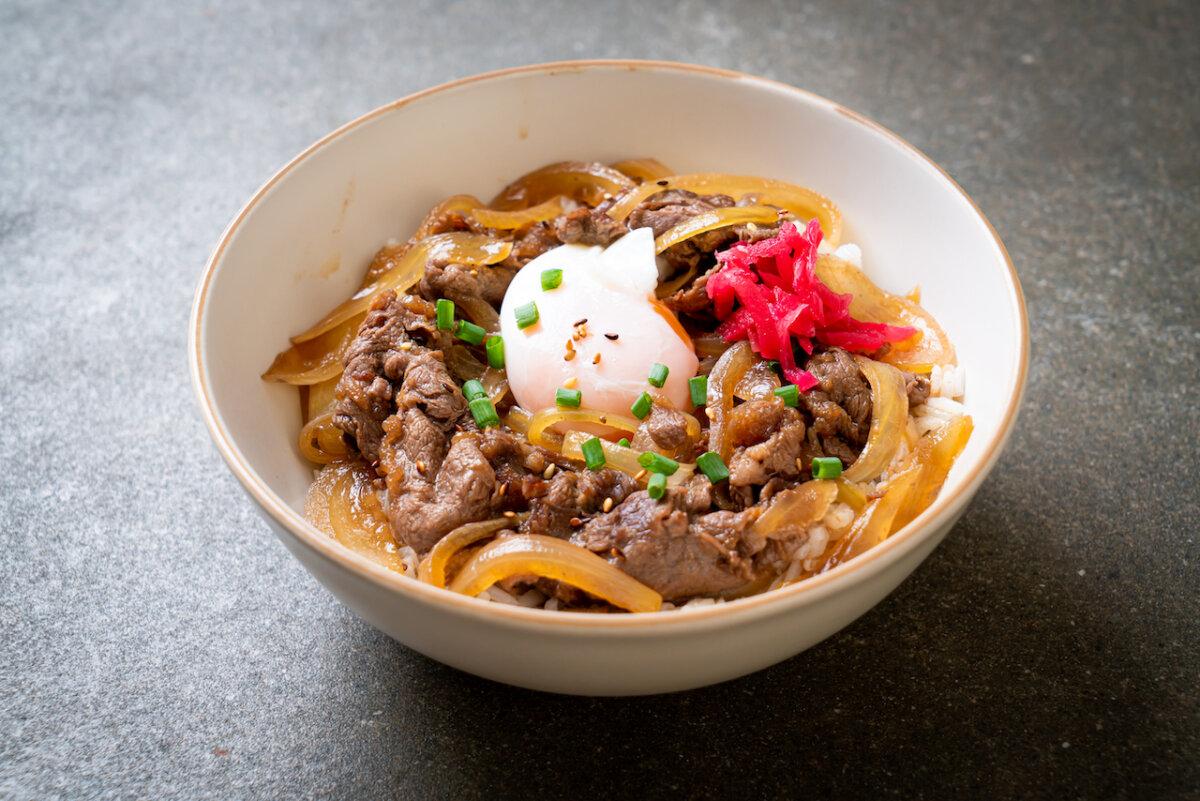
Another road to take for cost savings is the Asian route, where meat is more of a condiment than the main course in dishes such as hotpots, donburi, and bulgogi. Here you can emphasize quality over quantity.Meat is frozen and sliced razor-thin, then quickly cooked in a soup or sauce. Frozen cuts are available at Asian markets such as Many More Marketplace in the Strip District. You can also prepare thin slices at home with partially frozen meat and a chef’s knife.
Dawson said he can offer this style of meat, although he needs advance notice because it takes time to freeze it and slice it.
Another cost-saving move is to buy organ meat, such as liver and tongue.
Above all, Dawson recommends talking to your butcher about your needs and tastes. And in a small shop like his, order ahead.
“We always have our beef come in on Thursdays, and there’s certain cuts that we take off the beef right away and get them ready,” he said.
“Then there’s certain custom cuts ... that we need to know before we do our breakdown. We always suggest people put in orders early in the week so that we can custom-cut those things.”