There are countless cocktail books in print, from the 19th century to the 21st century, and most focus on a long list of recipes with a clever name behind each.
There are problems with that approach. The person who mixes cocktails is like a chef. Just as with cooking, slavish adherence only to recipes can create a blindness to the bigger picture concerning what a cocktail is and how and why it tastes good.
The ability to throw together a drink based on its name alone is essential for a commercial bar. I once applied for a job as a bartender and tried out. I wasn’t hired precisely because I somehow could not stick to the prescribed formula.
The owner explained that unless I stopped improvising, I could never work in this industry. True that, probably.
The household bar, however, is different. You need to be able to scale based on what you have on hand, how many people are drinking, the tastes of those present, and the mood of the moment. You need to improvise in the moment and still come across like a master.

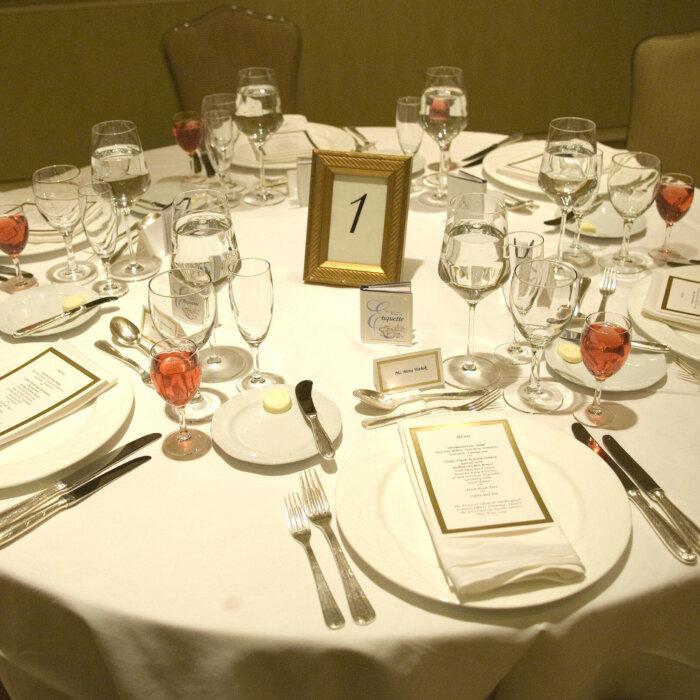
In my house, I will ask a guest if he or she would like a cocktail. The answer is always yes. Not once has a person specified which or what. They want to be delighted by what the house serves. So should it be in every house.
So let us start with the basics.
Every drink has a base liquor. You can drink that neat or on ice. The cocktail builds on that.
It likely includes an additional ingredient at some fraction of the quantity of the base. Thus was born the martini, which, contrary to the fashion, is not just cold gin or vodka. It includes a vermouth (a type of wine) and some bitters. You can look up any recipe yourself. That’s not the purpose I have here.
The additive can be soda or tonic of course. That’s not very interesting. A real cocktail should look at dry and red vermouth. Then it adds an exotic liqueur to provide a main flavor.
Finally you need something extra for offsetting balance (bitters). It ends with a garnish. Understanding this model enables you to make most all cocktails, invent your own, or improvise based on the ingredients you have.
An example could be an apple-based martini, a universal favorite. It is three parts gin, one part dry vermouth, half an ounce of apple schnapps, plus lemon bitters to push up against and balance the apple. If you leave out that last part, the martini will taste too obvious or simple, like an apple drink.
Cocktails need an element of complexity that goes beyond merely one flavor. It is possible that this complexity will be baked into the liqueur such as with Chartreuse or Absinthe. In a martini with those, you need not add anything else. But adding simple schnapps or fruit brandies will likely require one additional ingredient to make them more dazzling.
The basics of bourbon are easier to master than white liquors. There are only a few cocktails to think about. Bourbon neat, with ice, or you can start building with sweet vermouth, agorista bitters, or a cherry garnish. This is the basic Manhattan.
You can do the whiskey sour with lemon juice and simple syrup. Bourbon and brandy make ideal substitutes: half half plus dark vermouth plus orange brandy makes a Sidecar. Once you master those three, you can improvise from there.
Gin and vodka are similarly good substitutes, though gin (always a dry London and less expensive brand for cocktails) offers greater depth and flavor. Every gin drink follows the formula, more or less, offered above.
As for rum, it is of course the greatest mixture for charming drinks for non-drinkers. Essentially any fruit juice works here but not just one. Lime juice makes a great extra tang for orange or mixed berries. Be sure of color mixes here: there is a danger that these turn out with a nondescript color and that’s not appealing. You can serve these straight up, on ice, or blended, which can be great fun.
The common understanding of Tequila is that it works a lot like rum.
Core liquors
- Bourbon
- Scotch (never mix a great scotch)
- Gin (London dry)
- Rum (not spiced, and cheap too; they are all as good as each other, in my view)
- Vodka (optional)
- Rye (optional)
- Tequila (optional)
Vermouth/Champagne
- Dry (Cinzano is my choice)
- Bianco (a bit sweeter)
- Red (sweet)
- Champagne or Sparkling wine
Liqueurs/Schnapps/Brandies
- Cassis (blackberry)
- Elderflower
- Violette
- Pomegranate
- Grapefruit (pamplemousse)
- Orange (Triple Sec)
- Chartreuse
- Lemoncello
- Peach
Bitters
- Angorista
- Orange
- Lemon
- Cranberry
- Wormwood
Garnish
- Lemons
- Limes
- Oranges
- Luxardo cherries
- Candied Ginger
Other Tips
Egg whites on slightly sweeter cocktails are a delight: rum plus lime or lemon plus some fruity brandy. Put the whole egg white in in the mixer but for the first shake use no ice. It takes twice as long. An easier path is to use a blender or hand mixer. Then add the ice and strain it into the glass. It is a very impressive result.House Favorites
Elderflower Martini: 3 parts gin, 1 part dry vermouth, ½ part Elderflower, candied gingerBlue Note: 3 parts gin, 1 part dry vermouth, ½ part Violette, ¼ part peach schnapps, dash of orange bitters, no garnish
The Kulldorff: 3 parts gin, 1 part dry vermouth, ½ part Pomegranate, ¼ part grapefruit, cranberry bitters, lemon garnish
The Blackberry: 3 parts gin, 1 part dry vermouth, ½ part Cassis, ¼ part Triple Sec, orange bitters, cherry
French 75: 1 part gin, 1 part champagne, ½ part lemon juice, simple syrup to taste
Manhattan: 2 part Rye or Bourbon, 1 part sweet vermouth, 3 dashes angostura bitters, 1 dash orange bitters, maraschino cherry
The Irish Goodnight. Guests leave when they leave. But before they do, they can finish off with the following: equal parts Kahlua, Amaretto, and heavy cream, served in a lowball glass with ice.
None of these ingredients are on the list, which makes the point: There is no end to the expansion of the bar. And by the way, you can also do the non-alcohol versions (mocktails) with similar ingredients that use syrups over liqueurs and other juices besides liquor. It’s amazing what you can achieve with sparkling water and some pomegranate syrup plus an orange garnish, for example.
It’s like cooking. You have to know the basics, at which point you can gradually relieve yourself of dependence on the barbook. This method of making drinks won’t get you hired by a bar that wants to make money but it will delight your house guests. In the end, that is what matters.