Home cooking is back and, with it, a focus on exactly what a kitchen must have. I don’t mean the stuff you need to feel socially acceptable, upwardly mobile, and fashionable. I mean the stuff you need actually to cook a full range of dishes and meals, even if your space is limited.
A major mistake people make is accumulating dozens of pans of various sizes and shapes, mostly due to the market illusion that the pan makes the food, which it does not. You actually don’t need that much to do almost anything.
By my count you need six things.
This is all crazy stuff. After many years of experience, I can report that the best skillet you will ever use is an old-fashioned, American-made cast-iron skillet. You can surely find one at a thrift store or yard sale. Maybe you can ask for one from a family member. If not, you can buy them new for $25-$50.
I would suggest one with a handle.
What can you do with this? Everything. You can make a tomato sauce, sear a steak, cook up veggies, warm up tortillas, make a piece of toast or a grilled cheese, make a white sauce, cook up fried chicken, broil a fish, or even make pancakes.
It is underappreciated how easily the iron skillet can be used for baking too. You can make a shepherd’s pie with a good mix of vegetables, herbs, and lamb, covered in a layer of potatoes and topped with cheese. In the oven it goes for an hour. It also makes for a nice table serving piece. No one minds an iron skillet on the table. They look great.
Beyond the basics, this one pan handles quick weeknight dinners and weekend experiments alike. Scramble eggs in the morning, then use the residual heat for warming leftovers at lunch.
At dinner it fries burgers perfectly or reduces a pan sauce while the rest of the meal comes together. The versatility means that you reach for it constantly, building confidence as a cook because one tool handles so many techniques—sautéing, frying, searing, and oven finishing.
You will have it for your lifetime and hand it down to your children and grandchildren.
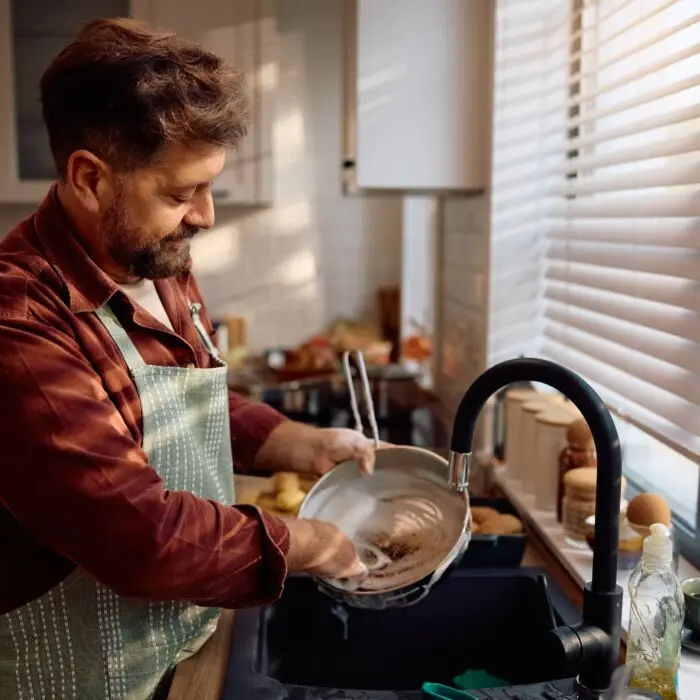
Managing a pan like this takes some practice. Cleaning it heavily depends on manipulating the temperature because the iron expands and contracts. So a baked-in mess in a hot skillet can be cleaned up easily with a few ice cubes. The process will amaze you.
You should avoid using soap or a steel brush on it because that removes what’s called its seasoning, or the coating that develops on the surface over time. Most of the time, if you are careful and know what you are doing, you should be able to run some water in it and wipe with a soft sponge and it will be clean. You can always re-oil it.
Mine stays on the surface of the stove at all times. It’s both decorative and useful, daily.
A good steel saucepan also simmers beans, poaches eggs, or gently warms milk for custard or hot chocolate. The lid keeps moisture in so you can walk away and let it do its work. When it comes to cleaning, steel wool is your friend. It harms the surface none at all.
Stock, chili, pasta for a crowd, or even steaming vegetables all happen here. On cold days it becomes the center of the kitchen, filling the house with aromas that make everyone feel taken care of. It’s even the right thing for popcorn (throw away whatever ridiculous popcorn machine you have).
My favorite type here is stoneware. This is pottery of sorts that can handing baking at high temperatures. It develops its own patina over time. It should be cleaned not with steel wool but with a spatula and sponge. It is rather heavy but also doubles as a serving tray because the stone looks pretty great.
Glass lets you see progress as things bubble and brown, which takes some of the guesswork out of baking. It travels easily from oven to table and holds heat well, keeping food warm through the meal.
The roasting pan is fantastic for slow-cooked roasts, ribs, whole chickens with potatoes and carrots, plus any herbs and spices you want to put in. This kind of cooking requires the least possible work for the highest possible payoff. People adore the results because they feel so comfortable and nourishing. Not sure why; maybe it is something in our genetic memories.
It’s beyond me why people don’t do this more. You can buy a cut of any meat, salt it up, throw in some onions and wine, turn on the oven to 240 and forget about it all day. Come home to the perfect meal. Everyone will celebrate you as a genius chef. It’s almost like cheating.
These six pieces really do cover nearly every home-cooking scenario. Once you master them, you stop worrying about equipment and start focusing on ingredients, flavor, and the simple pleasure of feeding people well.
The kitchen feels calmer, the counters less cluttered, and the food somehow tastes better when it comes from tools that have proven themselves over decades instead of flashy gadgets that promise the world and deliver mostly regret. Stick with these basics and you’ll cook better, waste less, and enjoy the process more.