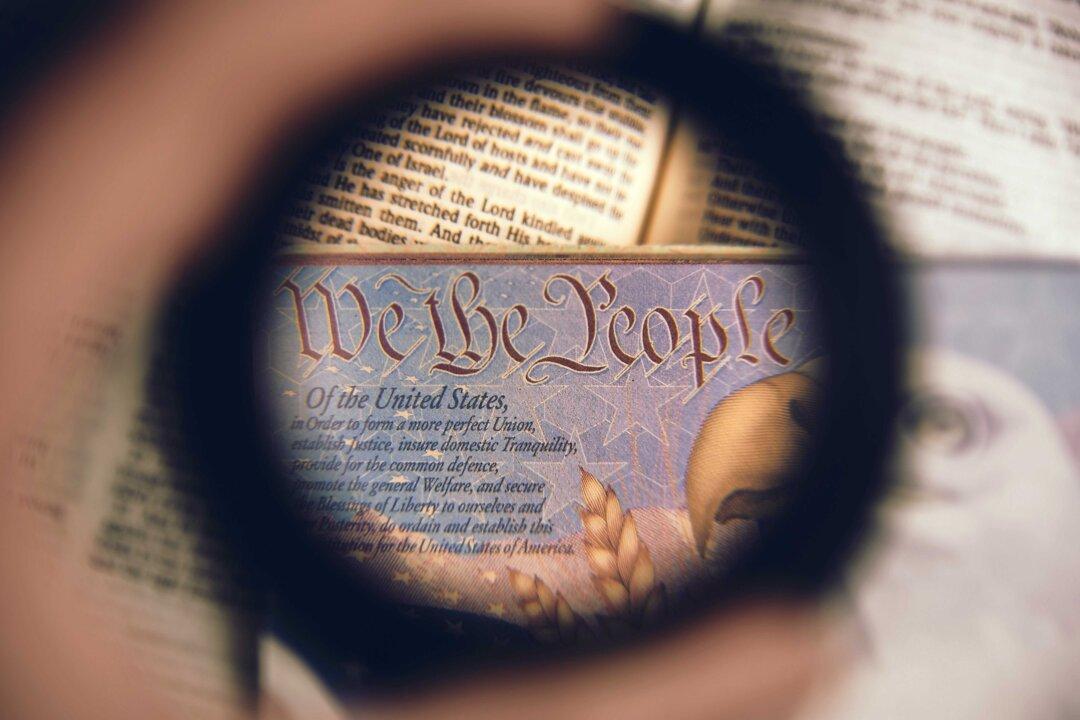
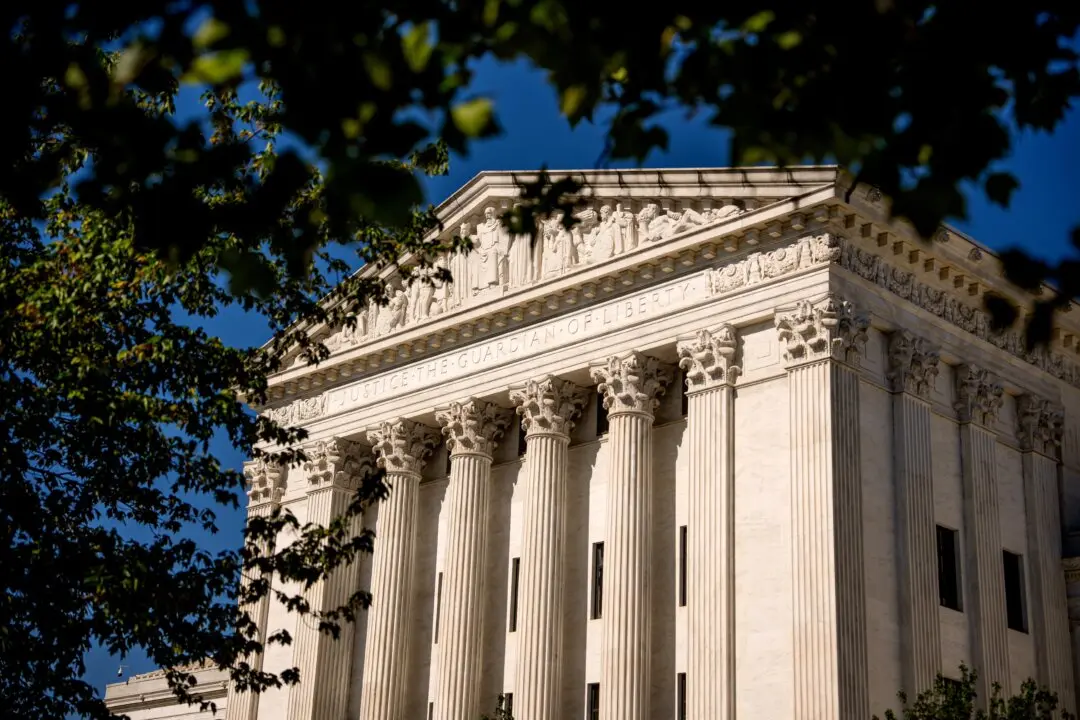
Americans are routinely told that our nation is hopelessly divided, irredeemably flawed, and perhaps even in terminal decline. Public polling reflects this pervasive frustration, pessimism, and anomie. If someone halfway around the world only followed the polls, he might be forgiven for believing our republic is all but over.
But something remarkable is happening during the 2026 World Cup, which is jointly hosted by the United States, Canada, and Mexico. Fans from all across the world have arrived in the United States—and they are absolutely loving it. We too often take our way of life for granted, but many soccer tourists now here cannot stop marveling at what they see.
The unlikely symbol of this phenomenon is “Freddy,” a young German soccer fan who has become an internet sensation while documenting his first road trip across the United States. Freddy’s viral social media posts have attracted tens of millions of impressions because they reflect something both rare and refreshing: genuine, boy-like wonder. As he has crisscrossed the American South, Freddy has gushed at everything from Waffle House and Taco Bell to Buc-ee’s, Bass Pro Shops, sprawling football stadiums, and the impressive size of regular, middle-class American homes. Americans, accustomed to taking all these things for granted, have watched with glee as a slack-jawed foreign visitor experiences it all for the first time.
But Freddy the German is hardly alone.
Scores of other World Cup visitors from Europe, Asia, and elsewhere have flooded social media with similar observations. They have wandered through Walmart and Costco as if they were touring cultural landmarks. They have posted videos about yellow school buses, small-town diners, Texas barbecue, oversize grocery stores, and the sheer abundance and variety that characterize everyday life in the most prosperous country on planet Earth. Elsa the Swede has fallen in love with ranch dressing. And even the Transportation Security Administration took notice, posting on social media: “If you’re visiting for a very large sporting event & you happen to discover RANCH while you’re here ... please pack it in your CHECKED BAG on the way home.”
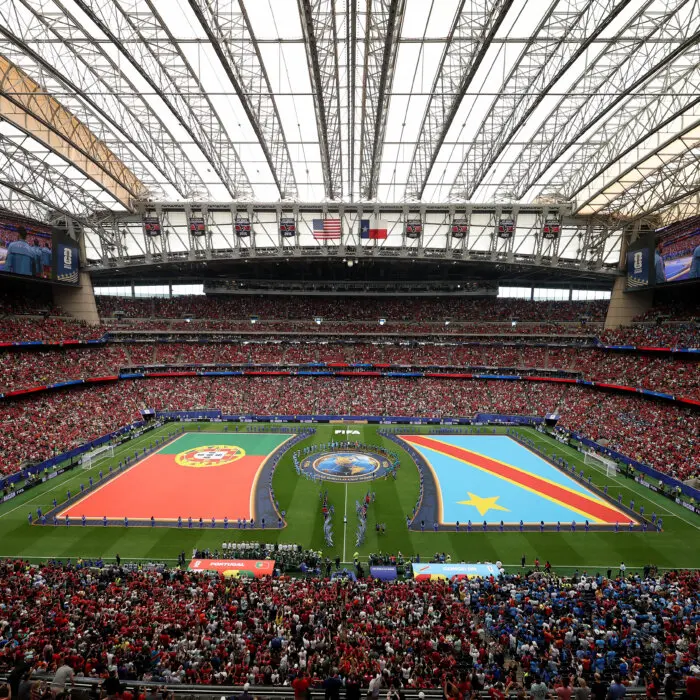

These reactions, bursting with youthful exuberance, are amusing. But they also point toward a profound insight: Sometimes it takes an outsider to recognize what insiders can no longer see.
The average American rarely pauses to consider how extraordinary our country remains today. We gripe about suburban sprawl while living in homes that would be considered luxurious by the standards of much of the world. We roll our eyes at chain restaurants that millions of foreign tourists eagerly seek out. We treat abundance as ordinary because abundance is all most of us have ever known.
That familiarity breeds a certain blindness.
But the World Cup tourists are not blind. They see a United States that remains dynamic, entrepreneurial, and welcoming. They encounter strangers eager to offer travel advice. They find communities proud to share local traditions. They discover a country that is far friendlier than the caricatures would suggest. The United States they are experiencing bears little resemblance to the negative stereotypes they had long imbibed back home.
The United States, like every country, has problems. The risk of prolonged decline is very real. Patriotism also does not require pretending that everything is perfect.
But it does require perspective—and, above all, gratitude.
As we approach our long-awaited America 250 celebration next weekend, Americans would do well to remember that ours remains the most successful experiment in republican self-governance in human history. The United States is still the world’s leading economic, military, and cultural power. And most importantly, as we prepare to celebrate the immortal words of 1776, it remains a nation founded upon timeless truths about human nature and human dignity.
That last point matters. Our republic was founded on the biblically rooted proposition that human beings possess God-given rights and that legitimate government exists to secure those rights and advance the common good.
In other words, America is great because America is good. Not perfect. Not above reproach. But fundamentally good.
We see that goodness reflected in the generosity that has met so many awestruck foreigners visiting during the World Cup. It is reflected in the spirit that built the businesses, attractions, and communities now spellbinding them.
The foreign visitors who are spending this summer discovering America have unintentionally delivered an important message to those privileged enough to call this great land home. They have reminded us that our country remains worthy of admiration. They have reminded us that gratitude is often more appropriate—as it is here—than despair. As we prepare to celebrate the United States’ 250th birthday, that lesson could not be timelier.
There are plenty of reasons for concern. But there is also still reason to hope.
The world still sees something special in the land of the free and the home of the brave. We Americans should see it too.