I still remember it vividly. I was a 16-year-old boy sitting around the dinner table with my parents in Fort Wayne, Indiana. As we sat eating our family dinner, I listened to my parents—one, a humble painting contractor; the other, a stay-at-home mom—and their deep concern about the state of our nation, particularly the rampant inflation coupled with a recession, which had been labeled as “stagflation.”
For my father, the economic conditions meant that he had to lay off some workers. This was something he loathed to do because it pained him, as a husband and father, to tell yet another loyal employee with children that work was scarce. He was deeply concerned about not only his employees’ families’ futures, but also his own family’s future.
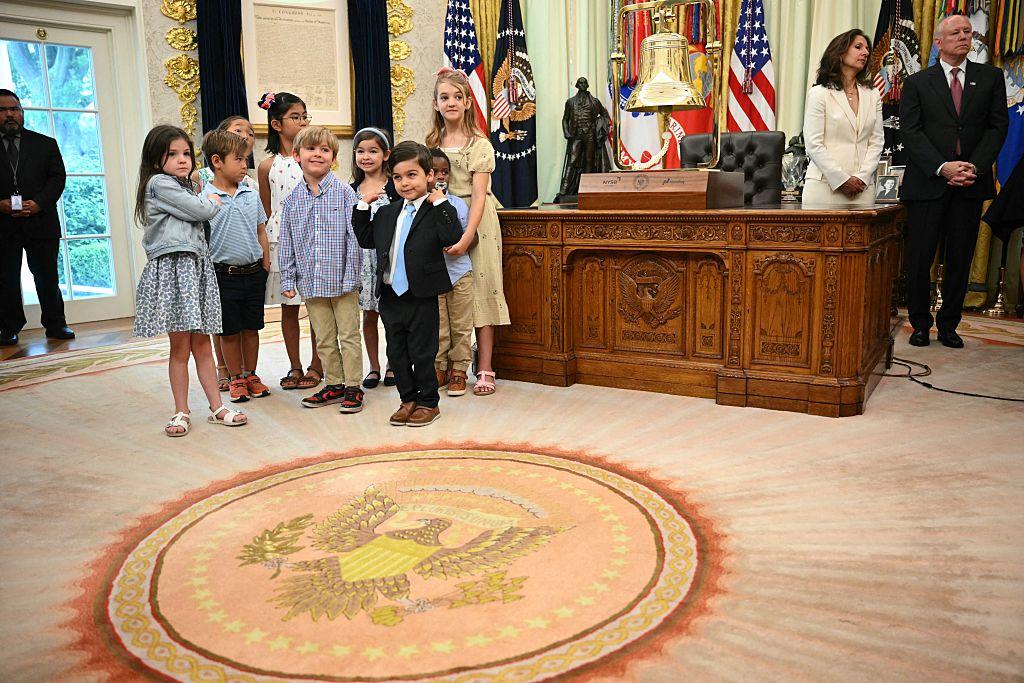
Those conversations would affect me greatly. Their concerns, shared around that family dinner table, would be instrumental in setting the course of my life, a course that would eventually take me from my humble Indiana roots to the White House.
Family dinners are often bonding moments when family members, both young and old, can feel free to share what is on their hearts and minds. For the older generation, it is an opportunity to pass down family heritage or talk about history, as one friend of mine regularly does with his teenage daughter.


She went on to write that she has chosen to watch TV with her family instead, a poor substitute for the lively, heartfelt discussions that take place around the dining room table.
As the late president noted, talking does not happen while watching a TV screen. Contrary to White’s assertions, watching reruns of “Gilmore Girls” over food is not the same as sitting down and having a conversation over a family meal.
Thus family dinners have become another dividing line separating those who succeed in life from those who struggle.
Instead of getting rid of family dinners, as White proposes, perhaps we need to reprioritize their importance. That is when, in the words of Reagan, “great change” can start to occur: change that can make a positive difference not just for their present, but for their future as well.
Or, in my case, a life-shaping change that gave me the direction I needed, taking me from being the son of a humble painting contractor in Indiana to becoming an adviser to the most powerful man in the world.
My journey started around that humble family table, and I am sure that the life journeys of many other young people—whether past, present, or future—will continue to be shaped by eating that essential family meal.
Family dinners are a blessing for parents and children—not a burden—and I hope they will continue for a long, long time.