This copy is for your personal, non-commercial use only. Distribution and use of this material are governed by our Subscriber Agreement and by copyright law. For non-personal use or to order multiple copies, please contact The Epoch Times Reprints.
Members of the the Japan Maritime Self-Defense Force stand at attention abord the JS Natori (FFM-9), a Mogami-class stealth frigate, during a handover ceremony and Self-Defense Ship Flag Presentation Ceremony for the Japan Maritime Self-Defense Force (JMSDF) at Mitsubishi Heavy Industries (MHI) Shipyard & Machinery Works in Nagasaki, Japan, on May 21, 2026. Paul Miller/AFP via Getty Images
The Chinese regime is harping non-stop about resurging Japanese ‘militarism’—but almost nobody in the Asia-Pacific region is listening—or believes it.
The more Beijing blusters and warns of a dangerous Japan, the more ridiculous it looks and the better Japan appears by comparison.
Make no mistake, Japan caused plenty of misery in the region during the 1930s and 1940s. But World War II ended 81 years ago and today’s democratic, consensually governed Japan is another country.
That’s been obvious for a long time.
Even in 1990 when then-U.S. Marine General Hank Stackpole described U.S. forces in Japan as the “cap in the bottle” that kept Japanese militarism in check, the idea seemed outdated.
Japan is well liked in most of Asia, and has been for decades.
Japanese investment and economic assistance are welcomed in all parts of Asia, and Japan’s role in regional security is now widely taken for granted.
But the idea that Japan is feared in the region because of World War II still persists, particularly among parts of the Western foreign policy commentariat. So it’s worth taking a closer look.
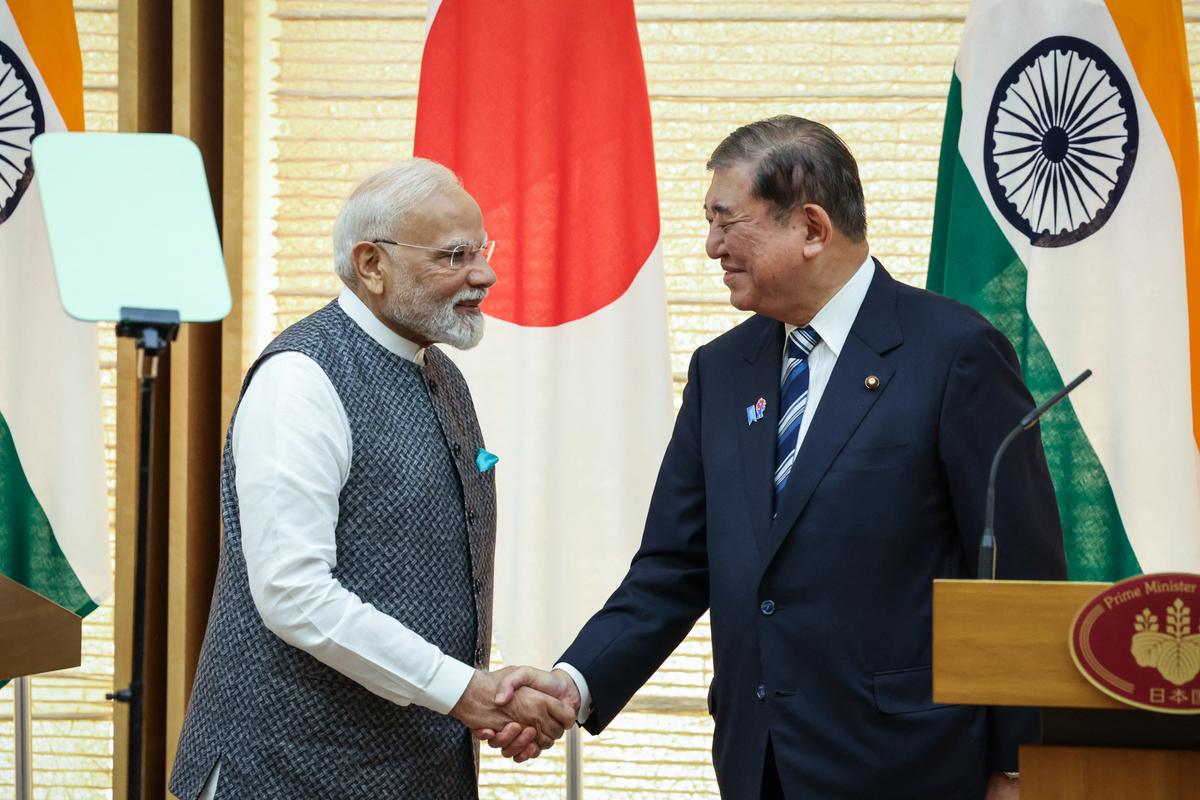
India: About 1.4 billion Indians have a soft spot for Japan. Tokyo is viewed as having helped bring about Indian independence via its support for the Indian nationalist movement before and during World War II. Commercial ties are vast, and bilateral defense ties are expanding.
Indian Prime Minister Narendra Modi (L) and Japanese Prime Minister Shigeru Ishiba shake hands during a joint press conference in Tokyo on Aug. 29, 2025. Takashi Aoyama/Pool/AFP via Getty Images
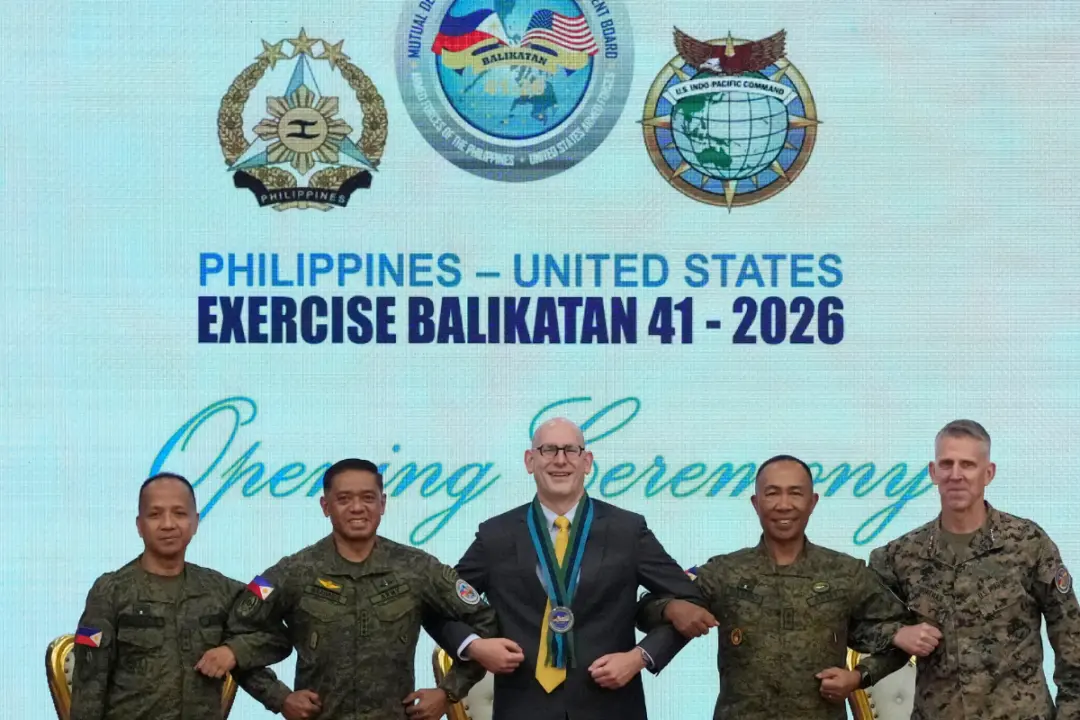
Philippines: Japan has been a major and welcome investor and aid provider to the Philippines for years. And substantial defense ties have grown over the last decade, with Japanese ground forces conducting combat training during this year’s Balikatan Exercise.
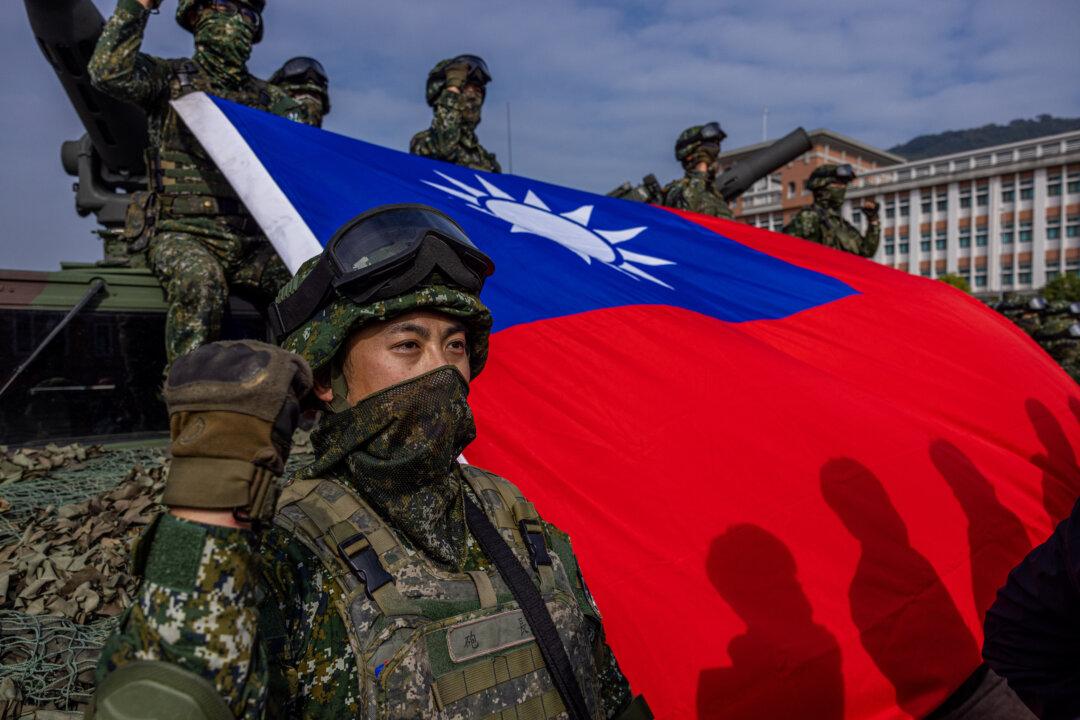
Taiwan: There are positive feelings toward Japan, and the colonial era from 1895–1945, when Japan controlled Formosa, is not a sore point. Taiwan’s government would like even better ties with Japan, to include a security relationship.
Singapore: The Japanese occupation from 1942–1945 was brutal and is not forgotten, but Singapore and Japan have excellent relations. Tellingly, Singapore’s prime minister has stated that Singapore and other Southeast Asian countries support Japan playing a bigger regional role, including on the security front.
Malaysia: Prime Minister Anwar Ibrahim recently met with Japanese Prime Minister Sanae Takaichi and confirmed their “comprehensive strategic partnership,” specifically mentioning expanded defense ties. Japan and Malaysia are currently discussing the transfer of retired ships to Malaysia.
Indonesia: In addition to being a major investor in Indonesia, Japan is seen as having helped Indonesia gain independence from Dutch colonial rule. The two nations cooperate on defense and are discussing the transfer of retired Japanese Asagiri-class destroyers to the Indonesian Navy.
Vietnam: Solid economic ties exist along with Japan Coast Guard support for the Vietnam Coast Guard. And like Indonesia, Vietnam credits Japan with a role in bringing about Vietnamese independence from France.
Thailand: A hub of Japanese commercial activity in the region for decades, ties are strong, including between the two nations’ royal families. Japan has also quietly built a notable defense relationship with Thailand.
Australia: Beyond longstanding economic and political ties, Canberra recently signed an agreement to buy Japanese Mogami-class destroyers, and defense ties have deepened in both directions over the last 15 years. Australia has plenty of reasons to resent Japanese cruel behavior toward Australian prisoners of war in World War II, but it doesn’t.
Pacific Islands: From the Solomon Islands to Micronesia and even in U.S. territories of the Commonwealth of the Northern Mariana Islands and Guam, Japan is well-liked and appreciated for its development assistance and commercial presence, along with the simple respect accorded to the Pacific Island Nations. The Japan Self-Defense Force’s periodic visits and training activities in the region are done with little fanfare—and without objection.
However, despite this widespread respect and affection for Japan, there are less favorable views of Japan and the Japanese as well.
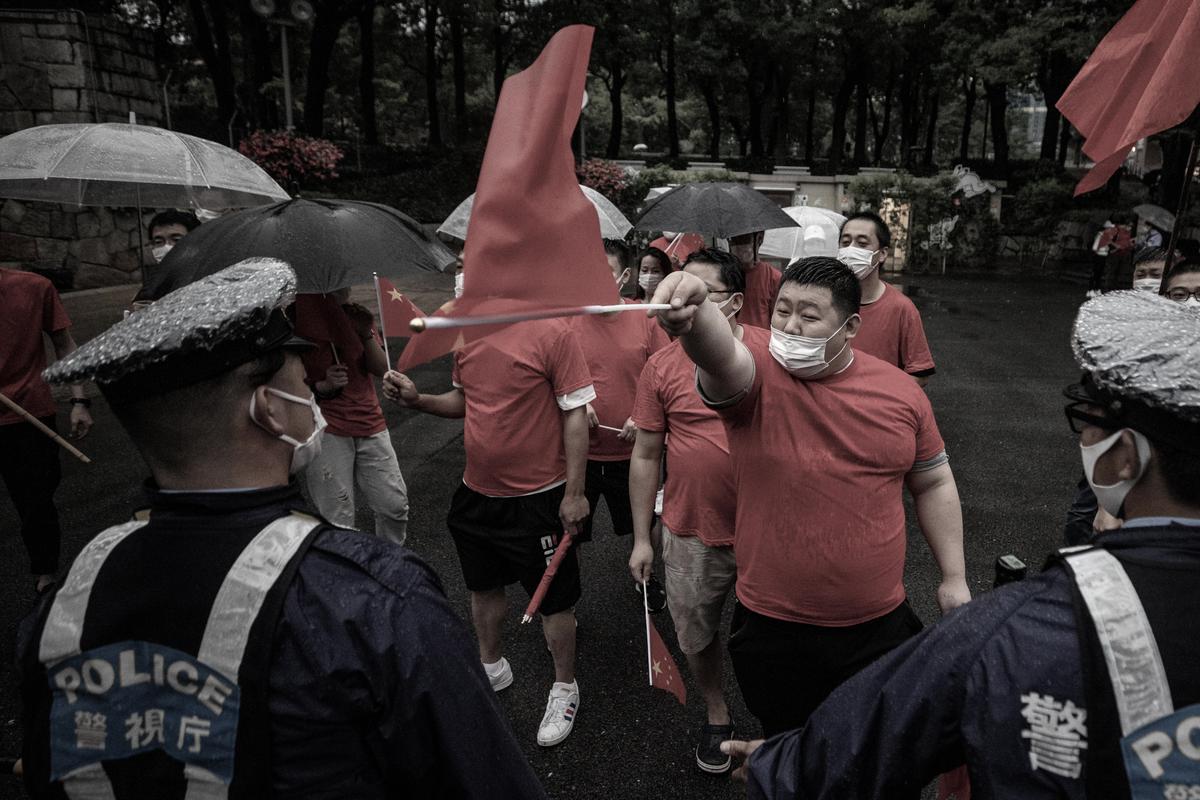
Police officers stand in front of the Chinese Communist Party supporters at Shinjuku Central Park in Tokyo, Japan, on July 1, 2021. Takashi Aoyama/Getty Images
China: The Japanese in China from the 1930s onwards were often brutal. But the Chinese Communist Party (CCP) that killed at least 50 million of its own people in peacetime and good weather in the years after the Japanese left was glad to accept Japan’s Overseas Development Assistance and welcomed Japanese investment and the technology that came with it.
While plenty of deep-seated animosity towards Japan does exist, it’s only in the last 20 years or so that the CCP has aggressively stoked resentments for political advantage. This is done both for domestic purposes and to put Japan on the back foot as it belatedly seeks to improve its defenses against an assertive China.
Even still, millions of Chinese visit Japan and a million Chinese live there.
South Korea: There is a widespread visceral resentment of Japan owing to Japan’s colonial occupation, but there are limits. It’s also manipulated for political gain by South Korea’s leftist politicians. Paradoxically, many Koreans love visiting Japan. The two nations have had reasonable defense ties in the past, and under the leftist Lee Jae Myung administration, the Japan Maritime Self-Defense Force and ROK Navy recently conducted search-and-rescue exercises together.
The cliché, “Asia is afraid of Japan owing to World War II,” doesn’t stand up to scrutiny. And even if Japan carries out its plans to bolster its defenses, it would still be incapable of projecting power to threaten its neighbors.
Indeed, it’s ironic that while Beijing warns of Japanese militarism, it is the Chinese regime that has built up a powerful military with regional and global ambitions despite facing no enemies. In fact, the People’s Republic of China seems to be aiming to create its own version of Japan’s Greater East Asia Co-Prosperity Sphere that led to war and misery in the 1930s and 1940s.
Views expressed in this article are opinions of the author and do not necessarily reflect the views of The Epoch Times.
Grant Newsham is a retired U.S. Marine officer and a former U.S. diplomat and business executive with many years in the Asia/Pacific region. He is a senior fellow with the Japan Forum for Strategic Studies (Tokyo) and Center for Security Policy and the Yorktown Institute in Washington, D.C. He is the author of the best selling book “When China Attacks: A Warning to America.”