I live in Texas. I am a freedom advocate. I am also a farmer.
So when I saw that the Texas Department of State Health Services filed suit against a West Texas raw milk micro-dairy operating as a private membership association, I paid attention. Not because I operate the same way—I don’t. I provide raw milk to my community through a herd-share model. But when the state moves to shut down a small farm for providing milk to willing adults under a private agreement, it raises a deeper question: Why is the government so intent on standing between us and our food?
The farm at the center of the dispute is Like Wildflowers Homestead, operated by Jacy Vaughn near Lamesa, Texas. What began as a family homestead has grown into a micro-dairy serving hundreds of families across Lubbock, Midland, and Lamesa through weekly delivery routes. The farm raises Brown Swiss cows and Nigerian Dwarf goats and provides A2/A2 cow milk and goat milk to its members. It also operates a mobile market trailer featuring products grown, raised, or made by other West Texas vendors. This is not a pop-up roadside stand; it is a functioning small farm embedded in its regional economy.
Instead of operating under a Grade A Raw for Retail permit, Like Wildflowers structured itself as a private membership association. In that model, individuals voluntarily join, acknowledge the risks of consuming unpasteurized milk, and receive milk as members rather than as retail customers.
The state argues that regardless of the PMA label, the dairy is effectively operating as a retail food establishment without a permit and therefore falls under regulatory authority. The farm argues that a private membership is fundamentally different from public commerce—that consenting adults entering into a voluntary contractual relationship is not the same as retail sales to the general public.
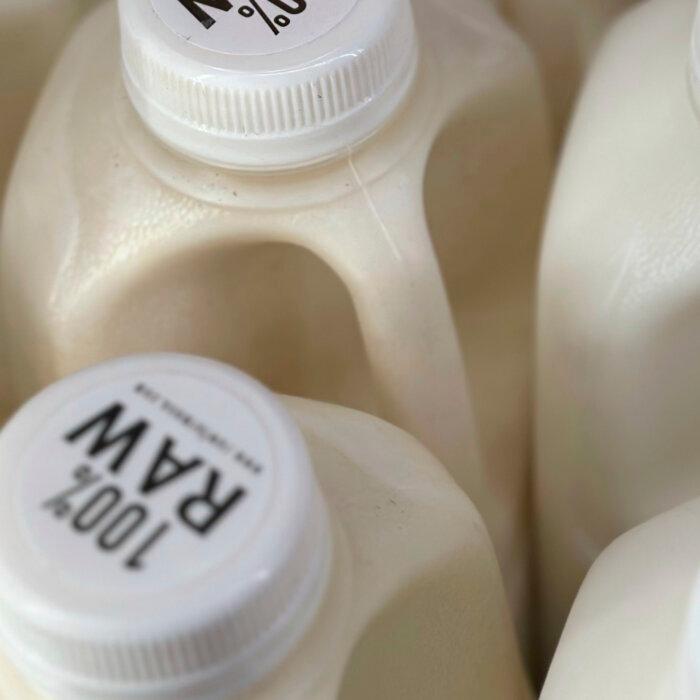
At its heart, this case is not about milk. It is about jurisdiction. Much of the state’s regulatory authority rests on its power to regulate commerce, which is broad when activity is public and commercial. But when adults voluntarily enter into a private agreement—not offering goods to the general public, not operating a storefront, not engaging in open retail—the question changes.
The private sphere exists in law. Contracts exist in law. Freedom of association exists in law. Our legal tradition recognizes a distinction between public commerce and private life, and we understand this instinctively in everyday situations.
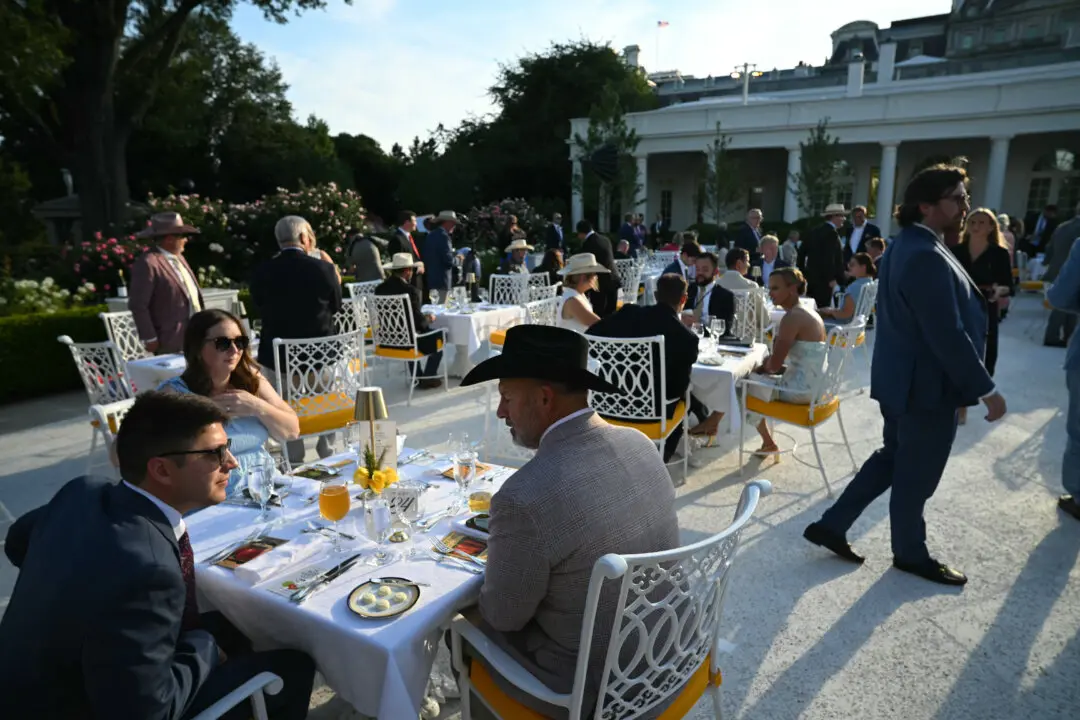
At a family wedding, the bartender pouring champagne does not need a state-issued liquor license because it is a private event. At Thanksgiving, when extended families gather and prepare food for dozens of guests, the health department does not inspect the kitchen. When neighbors share eggs over a fence or a hunter gives venison to a friend, we do not treat those exchanges as regulated commercial transactions. We recognize that there is a boundary between public markets and private relationships, and if a private membership association is truly private—intentional membership, contractual agreement, not open retail—that distinction should matter.
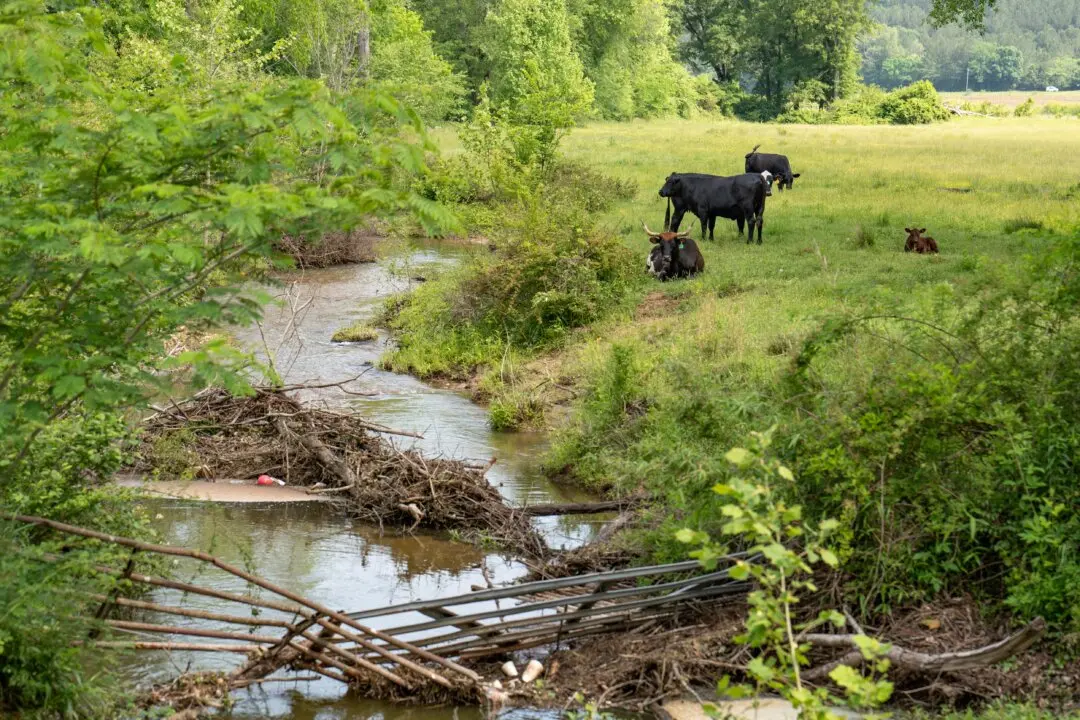
I operate under a herd share because that structure aligns with both Texas law and my principles. My own micro-dairy is modest in scale—typically just six to eight cows in milk at any one time—intentionally limited and built around direct relationships with families I know personally. The state currently recognizes herd shares as distinct from retail sales, and I have structured my operation accordingly. But if the legal reasoning in this case is that calling something “private” does not remove it from state jurisdiction, that reasoning does not stop with PMAs. It could extend to herd shares as well. When the question becomes whether the government has authority over every private food relationship, all alternative models are implicated.
Direct relationships create accountability that bureaucracy cannot replicate. Families visit the ranch. They meet the animals. They ask questions. They make informed decisions. That kind of transparency is very different from anonymous retail commerce.
Some will argue that raw milk carries risk, and that is true. So can raw oysters, sushi, undercooked eggs, or fresh leafy greens eaten straight from the field. We have seen outbreaks linked to all of them. Yet we do not make oysters illegal in multiple states or push sushi into underground markets. When outbreaks occur, we investigate, recall, and refine standards. We do not criminalize the entire category of food.
With raw milk, however, prohibition has often come first, forcing willing adults to navigate complicated legal structures or informal networks to obtain a food humans have consumed for thousands of years.
Long before refrigeration, pasteurization, and administrative agencies, families milked their own cows and goats and drank what they produced. Pasteurization is a modern intervention in a very old human practice. That does not mean sanitation is irrelevant, but it does raise a serious question: Does the state have the right to tell a competent adult they may not consume a food their ancestors consumed for generations?
Perhaps part of the tension reflects how disconnected modern society has become from food itself. Today, our food travels through sterile facilities, sealed supply chains, and centralized processing systems. We are farther from the soil, farther from animals, and farther from the microbial world that shaped human biology for millennia. Emerging research suggests microbial diversity plays a role in immune resilience. For most of human history, people lived in daily contact with soil organisms and consumed food directly from their land and livestock. Now, we often treat all microbes as enemies and all risk as unacceptable.
Risk, however, is inherent in agriculture. The real question is who decides whether that risk is acceptable. In a free society, informed adults make those decisions for themselves.
Farmers already operate under immense pressure—drought, feed costs, taxes, labor shortages, and expanding regulation. Many of us turned to direct-to-consumer models precisely to shorten the distance between the person growing food and the person eating it. When the government positions itself as the gatekeeper between farmer and family, it sends a subtle message that adults are not capable of making their own decisions.
This case will likely hinge on statutory definitions—retail, distribution, public health authority—and lawyers will argue over administrative code. But outside the courtroom, a deeper issue remains. Do we believe adults, fully informed, can choose what food to put into their own bodies, or do we believe the state must approve every such choice?
If we do not want the government standing between us and our farmers, then we must be willing to say so clearly. Once the state becomes the final authority in every private food agreement, the space for genuine food freedom narrows—and as a Texas farmer, that concerns me far more than a gallon of milk ever could.