The Era of Autonomous Vehicles Is Here
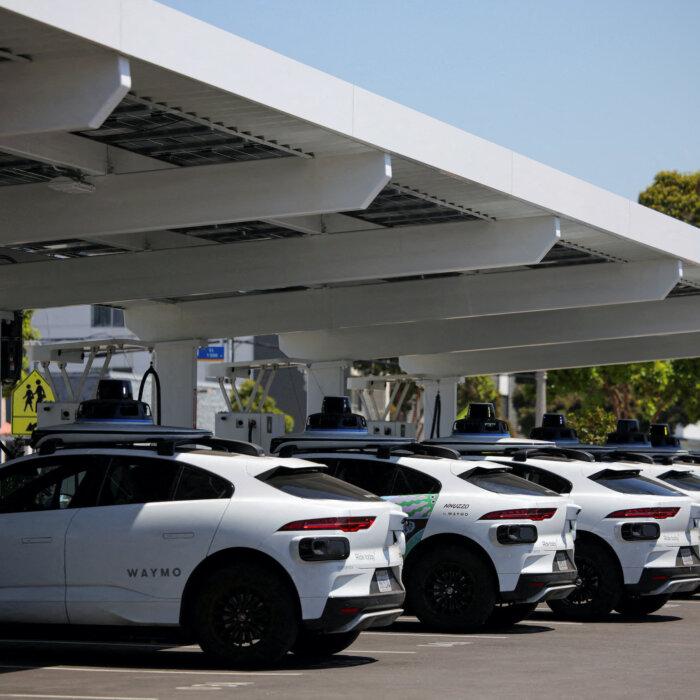
It feels like we have been promised driverless cars for decades. Futurists and innovators have long painted a picture of a world where people no longer pilot their own vehicles. Instead, cars equipped with cameras, sensors, and advanced technology would effortlessly whisk commuters through city and neighborhood streets.In the past few years, this potential technological marvel has become a practical reality. In October 2020, Google’s autonomous vehicle company, Waymo, officially opened its driverless car service to the public. Since then, several other companies have moved in the same direction. Tesla has released self-driving features for select vehicles, and Amazon’s Zoox vehicles have begun shuttling people along the Las Vegas Strip.
Most recently, Tesla’s new autonomous Cybercabs have begun rolling off the assembly line. These vehicles, expected to become available soon, lack a steering wheel or control pedals.
Potentially the most consequential move comes from Uber, the ridesharing giant that has announced partnerships with several autonomous firms, including Lucid, Nuro, and Waymo, to eventually bring self-driving services to its massive user base.
‘It’s Just Not Going to Make Sense for You to Own Your Own Car’
At the recent Abundance360 summit in Los Angeles, Khosrowshahi was interviewed about the future of driverless vehicles. During the interview, he explained how he believes the transformation of the transportation sector will unfold.“There isn’t going to be this kind of binary outcome,” he said.
“It’s going to develop in a hybrid way. And you’re going to have fleets in cities that consist of some autonomous vehicles and then many human-driven vehicles as well.”
Khosrowshahi underscored Uber’s commitment to autonomous vehicles, explaining that the company has 20 partners in the autonomous space and intends to have driverless cars in 15 cities by the end of the year.
“And by 2029,” he said, “we think that we will facilitate more autonomous and robotaxi rides than anyone else in the world.”
In response to a question about the costs associated with car ownership, Khosrowshahi revealed the ultimate endpoint of this technology, saying, “I think ultimately ... it’s just not going to make sense for you to own your own car.”
In his version of the future, corporations own vehicles, not you. This is not speculation either. Khosrowshahi details exactly what he means.
He explained that Uber will own many of these self-driving cars in the short term. However, he details a future in which “financial players, you know, the Blackstones of the world” own “large fleets of cars” that “give a 9 percent yield.”
The Job Disruption Problem
The concept of self-driving cars has also raised serious concerns about job disruption. Today, millions of people make a living driving cars, trucks, buses, and delivery vehicles. Many of these jobs could be threatened by autonomous vehicle technology.The true scale of this threat has been studied and debated by researchers and policymakers alike, but estimates vary widely. Some suggest that the implications could be seismic, while others suggest that a more modest transformation is likely.
Khosrowshahi has thoughts on this matter.
Khosrowshahi then admitted, “I think 10 to 15 years from now this is going to be a real issue and ... I don’t have a neat answer for it.”
When Someone Else Owns the Car, They Make the Rules
For many readers, the problem with this rearrangement of ownership may not be immediately apparent. Sure, potential job disruption could be an issue, but what is the problem with turning transportation into a service?For many, it might even sound appealing. No more car maintenance. No more insurance. No more parking headaches. Just order a ride through an app and go.
The concern arises when you consider the implications of giving massive corporations control over huge swaths of the transportation system.
As of now, transportation is largely decentralized. Decisions about travel are mostly left to individual commuters. They decide where they want to go, when they want to go there, and how they choose to travel, with very little oversight.
In a future in which corporations such as Google, Uber, and Blackstone own vast fleets of vehicles, those corporations may feel empowered to make some of those decisions for you. After all, they own the vehicle, not you.
Consider how social media companies have acted in recent years, stirring concerns about “big tech censorship.” These corporations pressed their thumbs on the scale of public discourse by banning certain personalities, suppressing content, and demonetizing viewpoints.
Is it inconceivable that some of these same corporations, or others like them, could exercise similar practices in the transportation sector?
Could people be denied access to transportation services based on their political beliefs or statements they have made on social media (which has happened already)? Could access be limited to curtail climate change? Could environmental, social, and governance principles or other corporate social credit systems encourage companies to restrict travel based on a user’s carbon footprint? Could the political winds of the day lead platforms to restrict rides to a firearms store, a church, or a specific political rally?
The original “you’ll own nothing” article was meant to illustrate an economy in which goods and assets were increasingly provided as services rather than sold directly to consumers. The reason that article drew such backlash is the same reason we should be vigilant about the future described by Uber’s CEO.
When someone else owns the thing in question, they make the rules, not you.