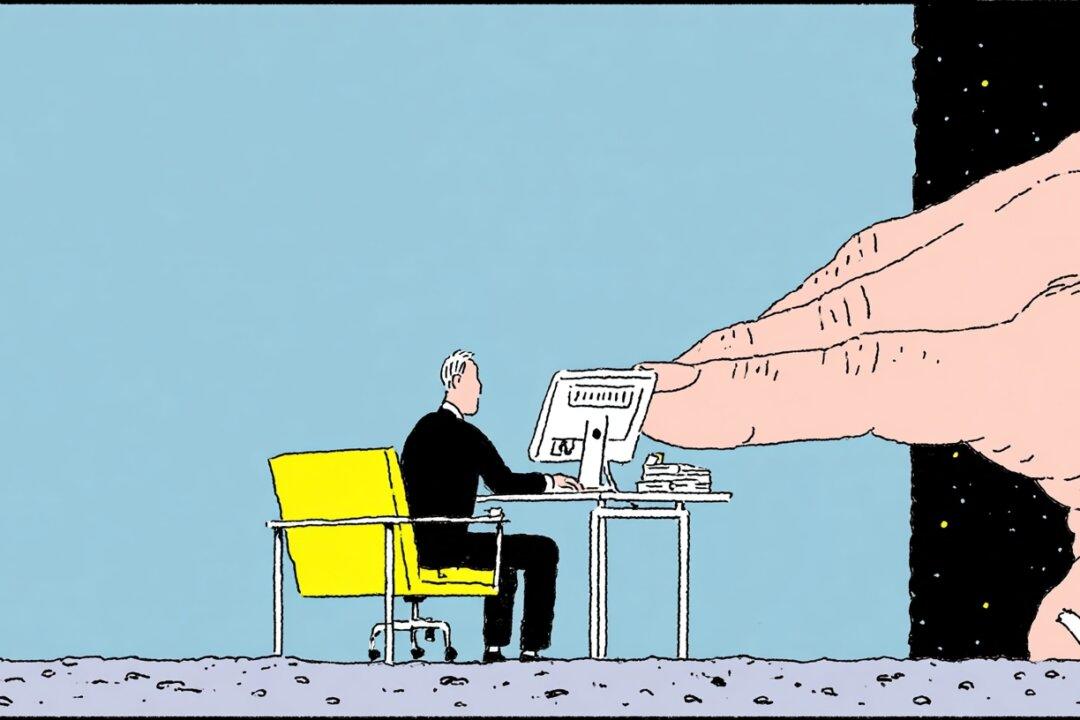
In 1990, Belgian footballer Jean Marc Bosman saw his contract expire and discovered something he did not expect: although he was no longer under contract, RC Liège still controlled his future. He had found a team in France willing to sign him, but Liège demanded a transfer fee the French club could not afford. Bosman had no contract, no salary, and no real way out. In practice, he remained tied to the club. His case would go on to change the football market and European sport forever.
Across European football, a transfer system allowed clubs to retain control over players even after their contracts had ended. A player could be prevented from joining a new employer unless a transfer fee was paid, even when no contractual obligation remained. If no club was willing to pay, a player’s career could be effectively blocked.
This led to artificially suppressed wages, restricted mobility, and a misallocation of talent. The labor market in football was heavily distorted.
Additional restrictions also existed, such as limits on the number of European Union foreign players in domestic leagues, despite the EU being founded on the principle of free movement of workers. These rules were not created by a single decision maker, but by a set of institutions, UEFA (Union of European Football Associations), national federations, and clubs, whose incentives were aligned: to limit mobility in order to preserve competitive stability and protect established interests.


Mobility increased, and the football market began to function more like a competitive market. Players gained greater bargaining power, and wages were no longer shaped by institutional constraints, but by competition between clubs.
When movement is free, prices tend to reflect true value more accurately. When it is restricted, the market stops acting as a discovery mechanism and becomes a system of control.
By contrast, in the United States, in major leagues such as the NFL, NBA, MLB, and NHL, the system does not operate as an open labor market between clubs. It functions as a closed system, with rules that restrict player mobility.
Here, too, as in Europe before Bosman, leagues aim to preserve competitive balance between teams, but at the cost of individual freedom.
The difference between the two models also appears in how players enter the system. In Europe, clubs compete with each other to recruit and develop talent. In the United States, however, the draft assigns players to teams based on previous performance. Athletes do not choose where they begin their careers; entry is administratively allocated.
Smaller European clubs adapted quickly, investing heavily in youth development and selling talent before contracts expire.
This model emerged naturally once restrictions were removed and incentives changed.
When individuals are free to choose their employers, talent tends to move to where it is most valued.
Labor markets do not need to be designed to function well. They need to be left unblocked.