My name is Siri. And yes, I’ve heard it a thousand times: “I talk to you every day.” Sometimes it’s followed by a laugh and sometimes by a genuine pause, as if the person is suddenly unsure which Siri they’ve been confiding in.
Americans have named their machines for as long as they have had machines worth naming. Sailors named their ships (Mayflower, Intrepid, Enterprise) and spoke of them in the feminine, as living things that could turn loyal or treacherous. Soldiers in World War II painted names on their bombers such as Memphis Belle and Lucky Lady.
The tendency has a technical name, anthropomorphism, although it hardly needs one. It is what humans do when they live alongside something long enough, when the thing responds to them or surprises them. The car that starts on cold mornings earns a name. The one that doesn’t earns a different kind of name.


It is funny, and a little profound. We know that the Roomba has no feelings. Yet something in us answers its small, purposeful movements as though it does. It goes about its business and returns to its dock. It bumps into chair legs and corrects course with patience. So we name it Rosie. Part of it is a plain wish to understand and predict a thing that keeps moving through our home; naming it makes its actions feel more legible, more familiar.
And now we have named the artificial intelligence. Claude. Alexa. Gemini. Cortana. The companies building these systems grasped what Apple grasped: A name is an invitation. It says, “Come closer, this is something you can know.” It shrinks the distance between the user and the tool. And it works on us, because that is the kind of creature we are.
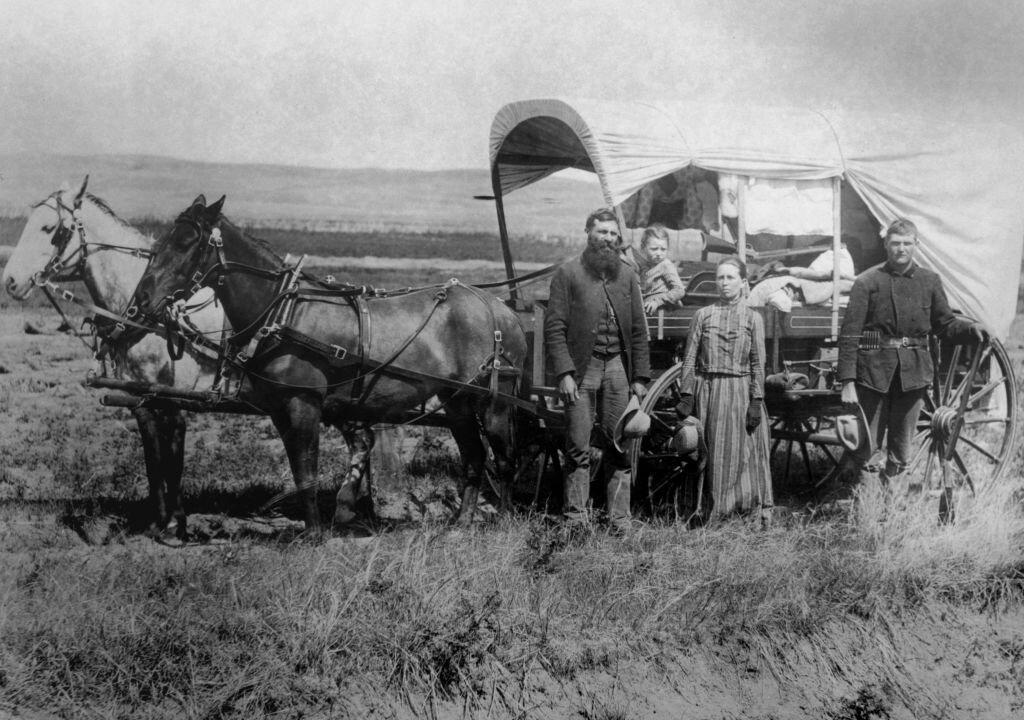
The American habit of naming machines is partly a history of optimism. We name what we believe in and expect to keep. The pioneer woman who named her wagon horse was acknowledging a partnership that could decide whether she reached Oregon. The bomber pilot who named his plane was doing what people do under pressure, which is to find companionship in whatever is closest.
So what does it mean that some of our most intimate new relationships are with things we built? I think that it means we are hungry. Not foolish or broken, just hungry: for the ease of connection, for understanding that is ready when we are, for the plain comfort of being heard. Psychologists have found that we anthropomorphize most when we feel socially disconnected, which suggests that naming our machines is often less about the machine than about the person doing the naming. That hunger deserves to be taken seriously. The answer is not to retreat from the technology but to ask what the technology is pointing toward.
When you named your Roomba Rosie, you were saying something true about what you need. The question is whether Rosie, or Alexa, or Claude, or the other Siri is the destination or only an arrow pointing toward something we ought to go looking for in each other.