When I became Speaker of the House in 1995, many in Washington considered balancing the federal budget impossible.
However, House Republicans believed that the American people would support balancing the budget and paying down the national debt. In fact, we believed that if they saw a practical doable plan to balance the budget, they would force the Democrats in Congress to go along with the idea. The American people would also convince President Bill Clinton that he had to support a balanced budget if he wanted to be re-elected.
With a lot of hard, determined work and a fair amount of problem-solving and invention, we passed the only four consecutive balanced budgets in the last century. By 1999, then-U.S. Federal Reserve Chairman Alan Greenspan testified in the Senate that the Fed thought the national debt would be paid off by 2009—and its economists were studying how to manage the money supply with no federal debt.
The folks who followed us—even the Republicans—did not understand the principles we applied. So, the Congress slipped back into the old habit of deficit spending.
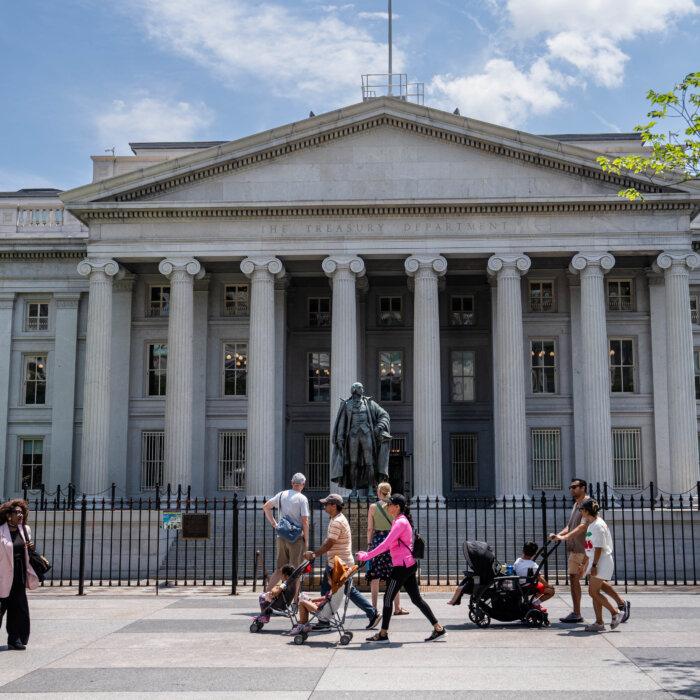
Today, we face a $37 trillion national debt. We are paying more than $1 trillion a year in interest on the debt. Much of the money goes to foreign governments and investors. The interest on the debt is now a bigger cost than the Department of War. This is a real problem.

Everyone agrees: The path to a balanced budget will be complex and require real reforms. We’ve done it before, and it is achievable with the right plan, discipline, and leadership.
- Episode 878: “Balancing the Federal Budget”
- Episode 562: “Balance the Budget to Save America”
- Episode 359: “Why We Need a Balanced Budget”
- Episode 288: “Outrageous Stories of Government Wasteful Spending”
Balancing the budget is not just good policy, it is a moral obligation to our country—and future generations.