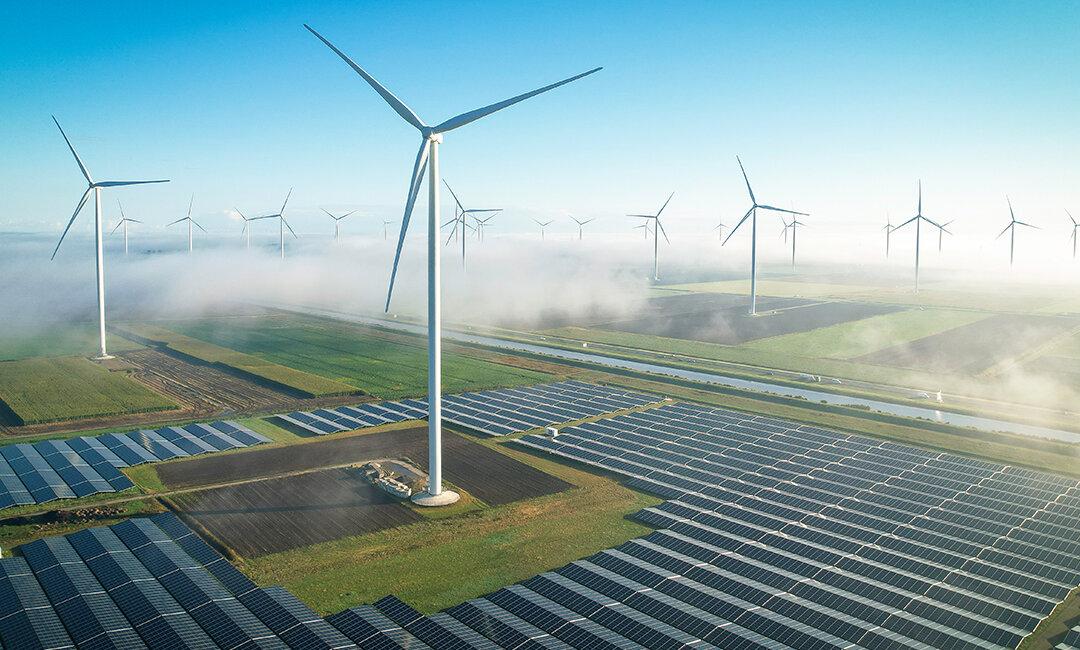
Like nearly every other country on Earth, Saudi Arabia is facing massive electricity demand growth. One estimate projects that the kingdom’s power demand will grow at least 27 percent by 2030 from 2023 levels. Similarly, like many other countries, it is looking to secure nuclear energy to help meet that demand.
Saudi Arabia has never built a nuclear power plant. This presents two major challenges. First, it doesn’t have the industrial base to build or support a commercial nuclear industry. Second, Saudi Arabia is still developing the institutional structures necessary to oversee the industry, and that bureaucracy is still evolving. That means that it will need to rely on foreign help to both build reactors and to establish the necessary rules under which they operate, and there are only a few nations that have the experience and technological know-how to do both. Two such nations are Russia and China, and both are working hard to become Saudi Arabia’s nuclear partner.
That is a problem because whoever builds the first power plants in Saudi Arabia will heavily influence the rules under which the facilities are built and regulated as well as the standards, procedures, and operational norms that determine how the program is managed over time.
Regardless of rhetoric about safety and nonproliferation, Saudi Arabia’s partner will help define the culture in which the kingdom’s nuclear program evolves. That culture will determine the program’s long-term success, and neither Russia nor China would do as good a job instilling a culture that prioritizes safety and nonproliferation as the U.S. would.
That is why the United States needs to stop either nation from defining Saudi Arabia’s commercial nuclear future. The next step in doing so is implementing the U.S.-Saudi Arabia 123 Agreement, which would allow the U.S. and its agreement partner to engage in peaceful commercial nuclear trade under agreed safety and nonproliferation rules.
Unfortunately, too much of the response to news of the deal has been misleading.
What there should not be debate about is that the 123 Agreement places strict moderations on those rights and provides maximum opportunity for the United States to apply leverage over how Saudi Arabia exercises them.
Indeed, Section 123 of the Atomic Energy Act reads specifically that no material used or produced under the agreement “will be reprocessed, enriched, or otherwise altered without the prior approval of the United States.”
For all intents and purposes, once Saudi Arabia and the United States finalize the 123 Agreement, the kingdom has agreed to not reprocess or enrich unless and until the U.S. agrees for them to do so. And that is within the context of the Non-Proliferation Treaty, which exists solely to control nuclear proliferation. Both the Non-Proliferation Treaty and 123 Agreement require inspections and multiple layers of safety and nonproliferation protocols.
The problem with insisting that the “Gold Standard” be applied to all 123 agreements is that it wrongly assumes that the same agreement is the right agreement for every situation. This misses the point of 123 agreements in the first place and the entire system of international peaceful nuclear trade, which is built to stop secret military nuclear programs.
In reality, the 123 Agreement preserves American influence and can, it must be noted, be terminated if it is violated. This creates a powerful incentive for all parties to respect the agreement.
Further, demands to meet the “Gold Standard” result in a misunderstanding—as demonstrated by much of the commentary around the U.S.-Saudi deal—that absent the standard, a nation can just start enriching or reprocessing. That is simply not the case.
Thus, rather than worry so much about what documents a nation signs, policymakers would be better off focusing on the trustworthiness of our partners and the strength of our relationships while ensuring that the legal and policy frameworks that govern the nations’ interactions promote U.S. interests and transparency. In other words, trust but verify.
Recognizing that the deal has not been made public and that important details could certainly impact any conclusion, the U.S.-Saudi nuclear deal seems to do exactly that by keeping the U.S. highly engaged with Saudi Arabia as the latter pursues commercial nuclear technology. Absent a 123 Agreement, Saudi Arabia would most definitely turn to Russia or China to provide it commercial nuclear technology, and that absolutely would not put America first.
Saudi Arabia is going to build commercial nuclear reactors, and the best way to influence their efforts is to engage as closely as possible. That requires the efficient passage of the U.S.-Saudi 123 Agreement.