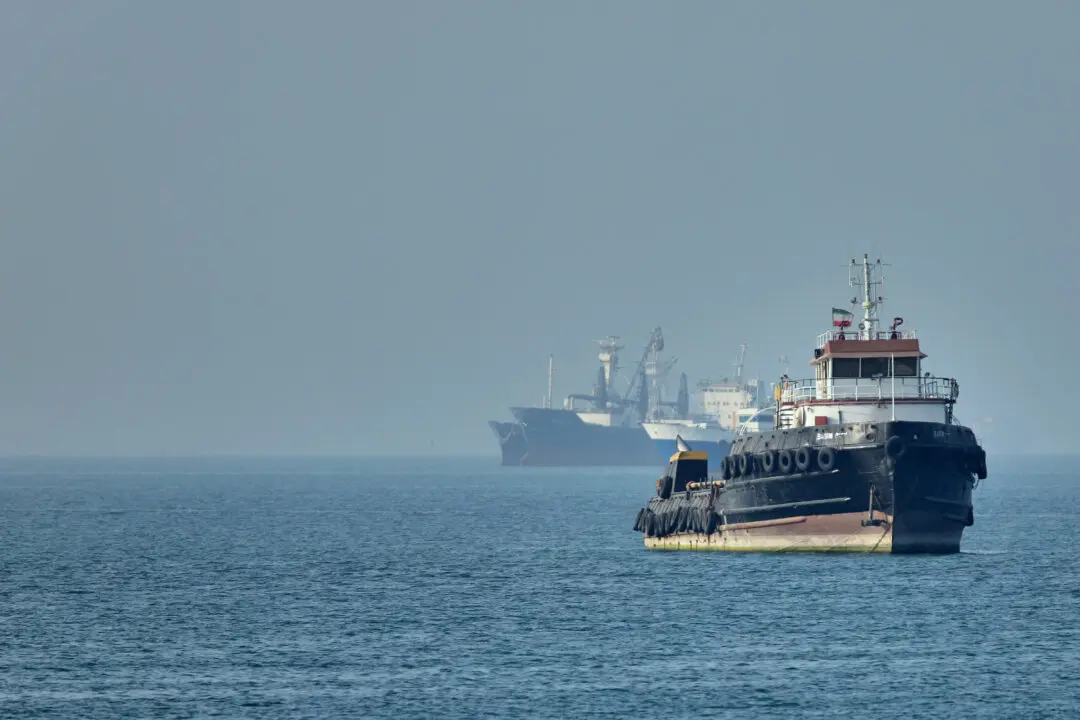
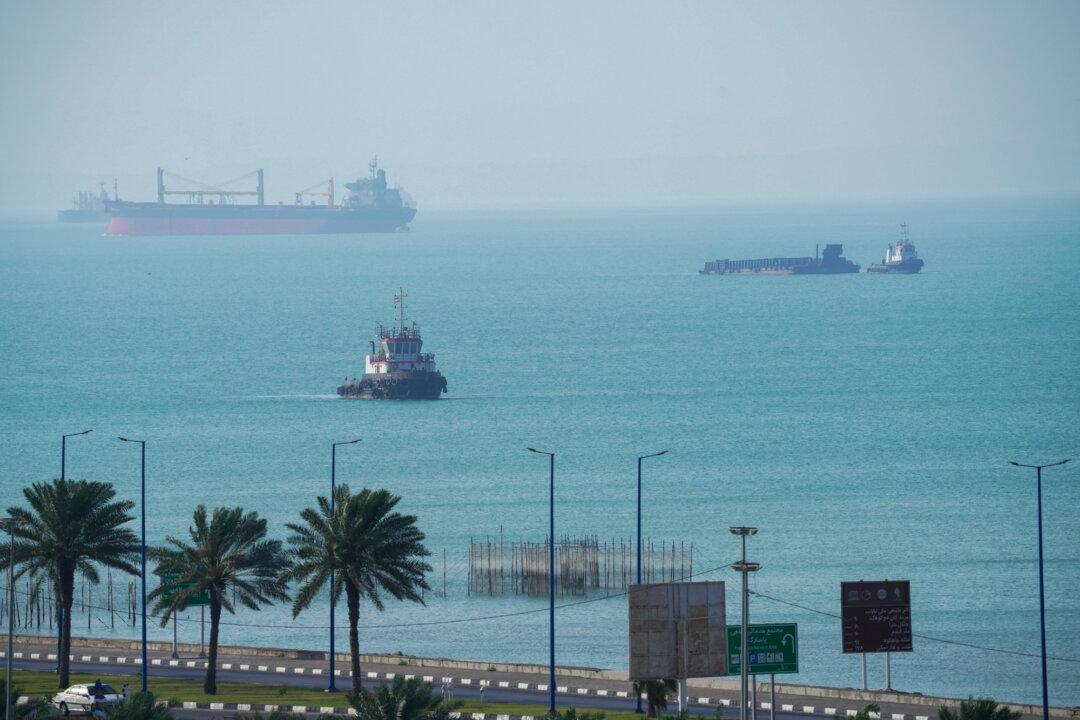
On June 11, Beijing designated the Taiwan Strait and several areas around Taiwan—a segment of internal waters under international law—to be “coastal waters.” This represents an expansive maritime power grab that cannot be ignored. Articles 8–11 of the United Nations Convention on the Law of the Sea (UNCLOS) gives coastal nations far more authority over their “internal waters” than over their territorial waters. Beijing’s declaration stated specifically, “The waters east of Taiwan are our coastal waters where we are present, exercise jurisdiction and govern.” The United States and international community must immediately reject that claim. Otherwise, Beijing will interpret the silence as tacit acceptance.
UNCLOS defines internal waters as those on the landward side of the geographic baseline that marks the start of a coastal state’s territorial waters’ 12-nautical-mile limit. Internal waters include ports, rivers, inland waterways, and the “near shore,” or “coastal waters” if you use Beijing’s term. Those extend from the low water mark out to the baseline that delineates the start of a state’s territorial waters.
There is no basis for China’s designation of the Taiwan Strait as “coastal waters.” It is an international strait as defined by Article 37 of UNCLOS. It is used for international navigation between one part of the high seas or an exclusive economic zone and another part of the high seas or an exclusive economic zone. Moreover, before declaring the strait to be territorial waters in 2018, Beijing admitted it was international waters. Now it has declared those waters to be its coastal waters. UNCLOS Article 38 very clearly states that in straits used for international travel, all ships and aircraft enjoy the right of passage and shall not be impeded. China’s territorial waters as defined by UNCLOS do not extend across the 81 nautical miles at even the narrowest part of the strait. That is why Beijing’s latest maritime territory declaration is so serious. Although the designation seems innocuous on the surface, it is in fact a maritime power grab initiated after a reputed five-day “maritime law enforcement operation.”
Beijing claims that it inspected more than 198 ships and craft during operations around Taiwan. It also conducted marine research and mapping of the sea bottom in the waters east and northeast of Taiwan, no doubt to refine Beijing’s knowledge of undersea cable locations there. Supported by four Coast Guard cutters, China’s Maritime Safety Administration (MSA) deployed three of its four largest patrol craft, displacing between 5,000 and 10,000 tons. The majority of the MSA’s nearly 300 patrol vessels displace less than 100 tons, but eight are oceangoing vessels exceeding 3,000 tons standard displacement. More importantly, as with all Chinese maritime forces, its strength is growing.
Established on Nov. 11, 1998, the MSA is a civilian law enforcement organization under the Ministry of Transportation. It enforces environmental and marine safety regulations and is responsible for maritime law enforcement, accident investigations, port security, and search and rescue operations within China’s inland and coastal waters. It is also responsible for issuing notices to airmen and mariners that warn aircraft and shipping of safety issues, including military activities, within a designated geographic area and time frame. The MSA has become increasingly visible over the past four years for its involvement in intimidation operations against Taiwan, intercepting and challenging, but not boarding, Taiwan’s ferries and other craft entering Taipei’s islands off the Chinese coast. The June MSA deployment marked a significant expansion of its operations and authority.
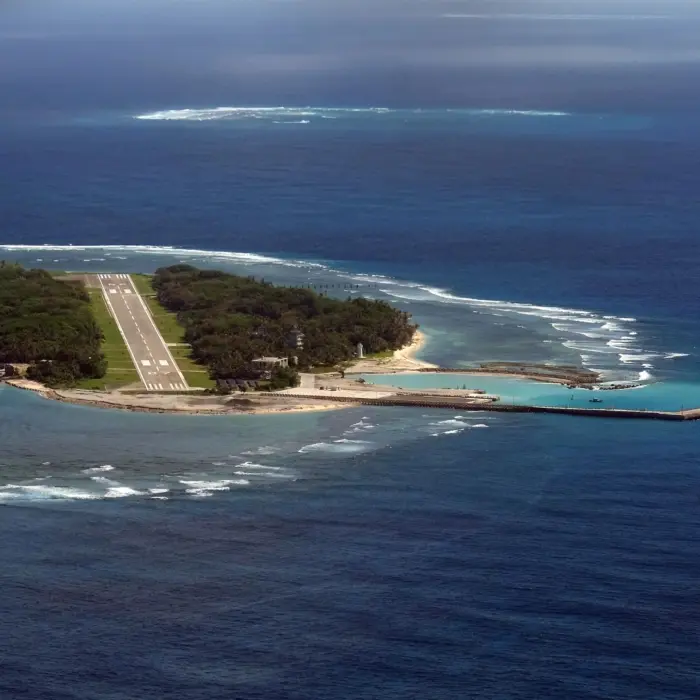
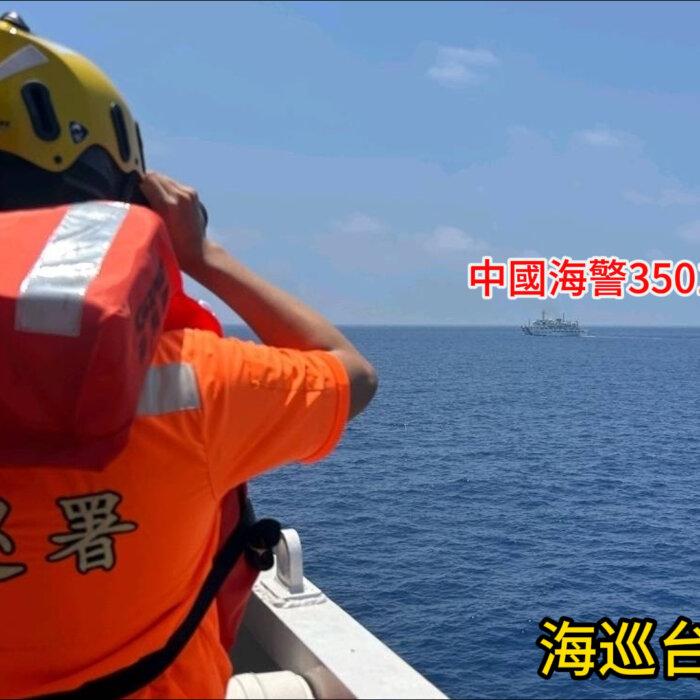
However Beijing may have characterized or justified those operations, they in fact simply marked the latest step in its campaign to gain control over the air and sea lanes on which its neighbors and Taiwan depend. China’s leaders will argue that its new claims are consistent with Taiwan’s status as a Chinese province that doesn’t accept national authority and governance. While that reflects China’s long-standing policy and position on Taiwan, this is the first time it has exercised its maritime regulations in those waters. The impact extends beyond Taipei and, more ominously, represents a destabilizing escalation in China’s intimidation operations against that government and its people. More importantly, this maritime enforcement operation may represent a precursor to a future maritime exclusion zone around Taiwan. As such, formally rejecting those claims is essential to deterring any intentions to do so.
Silence inspires aggression. For example, America’s failure to even protest China’s seizure or isolation of several South China Sea islands and reefs emboldened Beijing to cement its control over those illegally occupied territories by constructing garrisons on them. This administration cannot repeat those mistakes. Deterring aggression is far less costly than responding to an act of war committed by an aggressor confident of further inaction.