The Equal Protection Clause
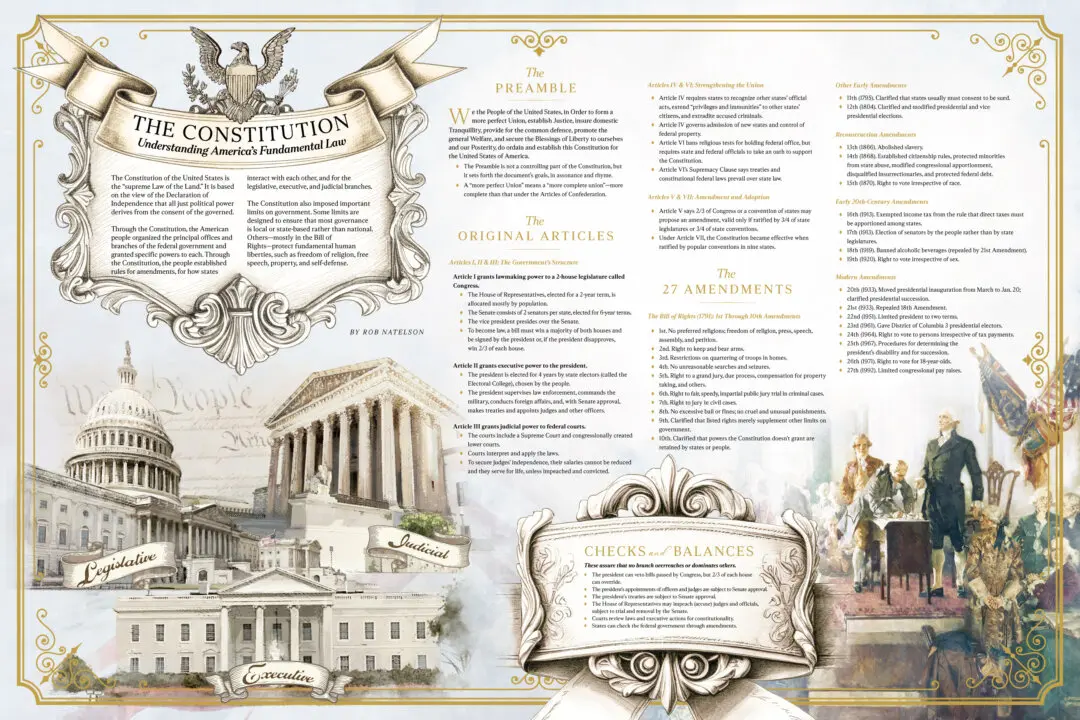
The plaintiffs claimed the Tennessee law violated the part of the 14th amendment known as the equal protection clause. That clause says, “Nor shall any State ... deny to any person within its jurisdiction the equal protection of the laws.”Congress proposed the 14th Amendment in 1866, the year after the Civil War ended, and the states finally ratified it in 1868. (Note to wonks: Yes, I know there is a controversy over its ratification, but let that pass for now.) The immediate purpose of the equal protection clause was to override the “Black Codes”—laws adopted by Southern states that, while avowedly recognizing the end of slavery, relegated African-Americans to second-class citizenship.
The wording of the equal protection clause was broader than its immediate purpose required. As its sponsors explained, it also would prevent states from discriminating against any persons (not only former slaves) in the enjoyment of their civil rights, if the discrimination was unfair, groundless, or malicious.
Strict Scrutiny
Over the years, the Supreme Court has developed a standardized approach to equal protection cases. In rough outline, that approach is as follows: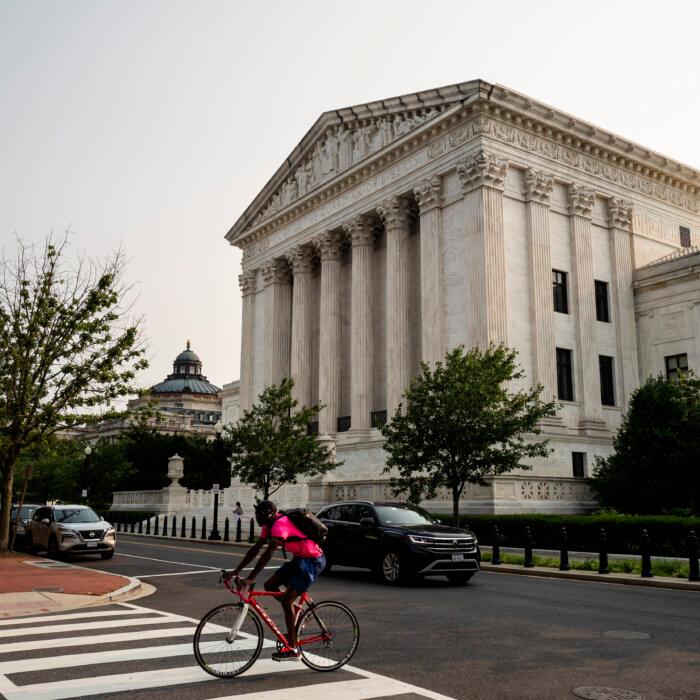

First: If a member of a group claims a state law or practice unconstitutionally discriminates against his or her group, the court determines whether the plaintiff’s group is a “suspect class.” A suspect class is a group traditionally isolated, powerless, and discriminated against by government. Racial and religious minorities qualify, as do aliens legally in the country.
Second: If the group is a suspect class, then the court asks if the state law really discriminates against the group.
Third: If it does discriminate against a suspect class, then the court determines whether the law is “necessary [or narrowly tailored] to promote a compelling governmental purpose.” If it is (as is rarely the case), the law is constitutional; if not, the law is unconstitutional.
Intermediate Scrutiny
One historically disadvantaged group of people comprises a majority rather than a minority of the population: females. The Supreme Court recognizes that laws that distinguish between men and women sometimes are perfectly appropriate. But at other times, they are not. Thus, the court treats sex (male or female) as a “quasi-suspect” classification.Rational Basis
If the group subject to discrimination is neither suspect nor quasi-suspect, then the law is generally valid if it serves any legitimate governmental purpose. This test is called “rational basis.” Most laws that classify people are in this category. An example is a law that taxes the rich more than the poor—or even the poor more than the rich.These tests have some variations and refinements, but the foregoing is sufficient for now.
The Issue in Skrmetti
United States v. Skrmetti was fought over the group classification issue. The plaintiffs claimed that the Tennessee law banning transgender procedures for minors was discrimination based on sex, and therefore had to be “substantially related to an important governmental purpose.” They also claimed that the law discriminated against transgender people and that the court should categorize transgender people as a suspect or quasi-suspect class.Chief Justice John Roberts wrote the opinion for the court. His reasoning is sometimes difficult to follow, but the upshot was that the Tennessee law classified only by age (it applied to minors) and by medical treatment. It did not classify by sex or transgender status.
Joining the opinion were Justices Clarence Thomas, Neil Gorsuch, Brett Kavanaugh, and Amy Coney Barrett. Justice Samuel Alito joined most of it, but thought the law did classify or discriminate based on transgender status. However, he concluded that for historical and technical reasons, transgender people did not qualify as a suspect or quasi-suspect class.
So the Tennessee law had to pass only rational basis review, which pretty well established its constitutionality.
Thomas’s Concurrence
Thomas wrote a separate concurring opinion. When Thomas writes a separate concurring or dissenting opinion, it often is the most interesting one in the case. In my view, that was true in Skrmetti.- Legislatures, not experts, are elected to make law. When a court voids a law based on expert opinion, it replaces democracy with governance by elites.
- Claims of “consensus” often are wrong, because expert opinion really is divided. That is true on transgender treatments for minors.
- The extent to which a child’s wishes about medical treatment should control is an issue of medical ethics—a subject with which lawmakers are rightly concerned.
- Experts are often wrong, either because of insufficient evidence or because they are influenced by self-interest or political pressures. Thomas explained how, for example, one professional association changed its position on transgender medical treatment because of pressure from the Biden administration.
Conclusion
Skrmetti was one of several cases this year in which the court’s decision protected children. Another was Free Speech Coalition v. Paxton, which upheld a Texas law requiring age-verification for accessing pornographic websites. Still another was Mahmoud v. Taylor, which guaranteed religious families’ right to opt out when public schools promoted the LGBTQ+ agenda. One can argue that TikTok v. Garland also was in this category: It upheld the constitutionality of a federal law requiring the removal of TikTok—a social media site disproportionately viewed by children—from Chinese communist control.One last point: Skrmetti said nothing about the extent to which a state may curb transgender treatments for adults.