



For all the buzz about “going green,” much of the technology touted by the Green Left to move our nation to “Net Zero”—specifically solar panels and EV batteries—comes from places where the sky is choked with smog and rivers run with industrial waste. And while these same critics often dismiss President Donald Trump’s tariffs as economic saber-rattling, in reality, the president’s policies carry significant and underappreciated environmental benefits.
Tariffs are an unlikely ally in the fight against pollution. They incentivize domestic production, tighten environmental standards, and hold foreign manufacturers accountable for environmental negligence.
Tariffs as Environmental Filters
By imposing tariffs on imports from countries with looser environmental regulations, Trump’s trade policy incentivizes companies to manufacture domestically, where environmental protections are stronger and enforcement is more robust. Critics call it economic nationalism, but the reality is more nuanced: the policy functions as an ecological safeguard, reducing reliance on countries such as China, which is ranked as the 13th most polluted nation in the world.And here’s something most people overlook—when manufacturing stays closer to home, it’s easier to track environmental violations and enforce rules. Transparency skyrockets when the Environmental Protection Agency, Occupational Safety and Health Administration, and other regulatory agencies are just a phone call away, not an ocean apart.

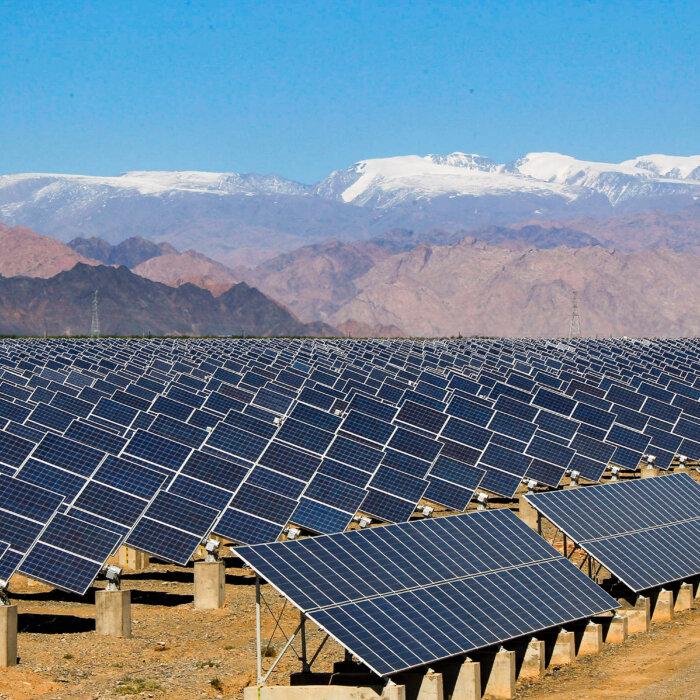
The Dirty Truth Behind ‘Clean’ Tech
Let’s be honest: Outsourcing green tech to countries with weak environmental laws doesn’t eliminate emissions, but does outsource them. This phenomenon, known as “pollution leakage,” erodes the benefits we claim to pursue.While the West celebrates progress in so-called green energy, producing those “eco-friendly” goods is often carried out in developing world factories. More than that, this behavior masks the real cost of green technologies. Products may seem “cheap” to consumers, but their environmental impact—from polluted rivers to toxic waste—remains largely unaccounted for.
Global Environmental Agreements: Big Promises, Weak Results
The mainstream media heralded the Biden administration’s return to multilateral climate agreements such as the Paris Agreement as “planet-saving,” but real-world results have been underwhelming. These international frameworks lack enforcement, largely exempt the biggest emitters, and allow countries to manipulate statistics to validate their progress in achieving their commitments.A Practical Path Forward
As the United States continues to navigate complex environmental and economic challenges, tariffs can be part of the solution. Trump’s tariffs protect jobs and the environment, even if critics fail to notice.Rather than relying solely on lofty international promises, we should consider practical tools, such as tariffs, that create real accountability, cleaner production, and stronger domestic resilience.
In an era of performative climate politics, tariffs might just be the unexpected, effective piece of environmental policy we’ve been missing.