As the locally grown food movement continues to expand, more people than ever are turning to backyard gardens, patio pots, raised beds, and even backyard chickens. There’s something deeply human about returning to the land—even a little piece of it on your balcony or in your suburban backyard. In our excitement to grow our own food, however, we may rush to the nearest garden center or big-box store and grab the cheapest bag of soil or compost we can find, assuming, “What’s the difference?”
But there is a difference—and it matters. One ingredient that often goes unnoticed in bagged soil and fertilizer is biosolids. For those unfamiliar, biosolids are the treated solid remains from sewage treatment plants. That’s right—human waste, processed and sanitized, then sold as compost or fertilizer.
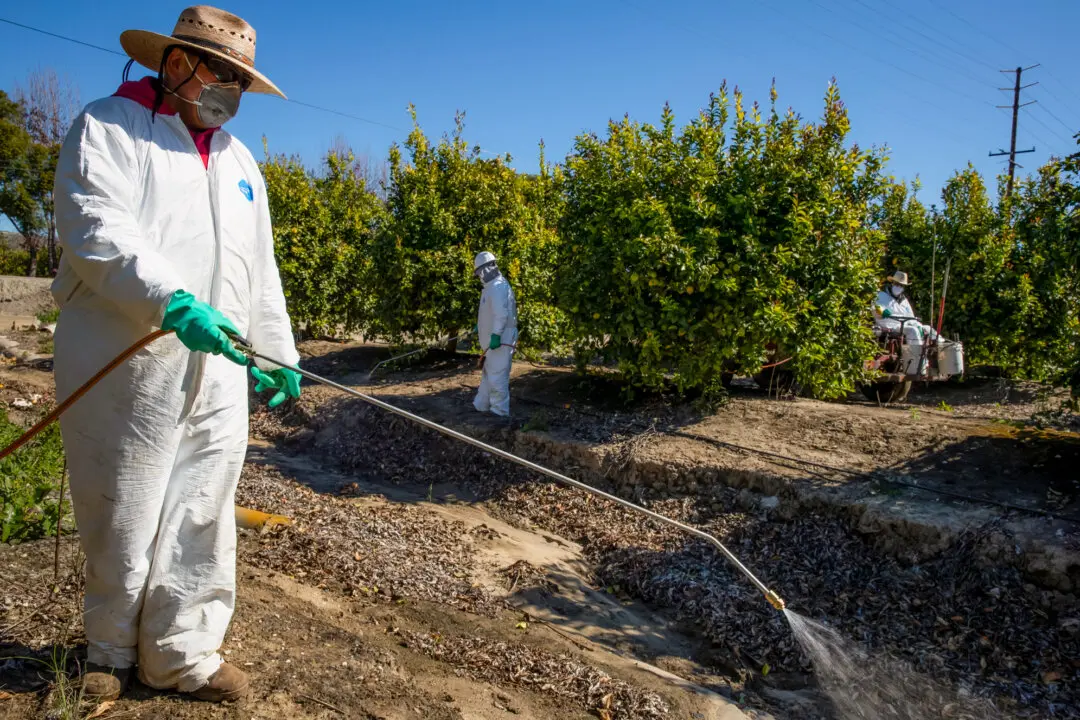
Every day, people excrete unmetabolized medications—painkillers, antidepressants, antibiotics, and especially birth control hormones—which then end up in wastewater. Most municipal water treatment plants are not equipped to filter out these substances. So they persist—not just in the recycled water that some cities send back into taps, but also in the biosolids. Those biosolids are then bagged up and sold as compost, or spread across agricultural land—including in countries like Mexico, where biosolids are permitted even in organic agriculture. And we import much of our produce from there.
Think about it: Birth control, hormone therapy, and antidepressants flushed down the toilet are finding their way back into the food chain—often into soil marketed as organic or natural. But it doesn’t stop at pharmaceuticals. Every household also sends cleaning products, paint thinner, solvents, drain degreasers, and chemical residues down the drain. All of that ends up in the sewer system. And while biosolids go through a treatment process, they don’t go through purification. In addition to everything that goes down our drains, sewage treatment plants add chemicals to separate solids from liquids and make biosolids easier to process.

These include aluminum sulfate (alum), ferric chloride, polyaluminum chloride, cationic polyacrylamide, lime (calcium hydroxide), sulfuric acid or hydrochloric acid, and sodium hydroxide (lye). These chemicals are not typically removed before biosolids are packaged as fertilizer or compost. If you’re growing food for your family—especially if you’ve made that choice to have more control over what’s in your meals—you deserve to know what’s in the soil.
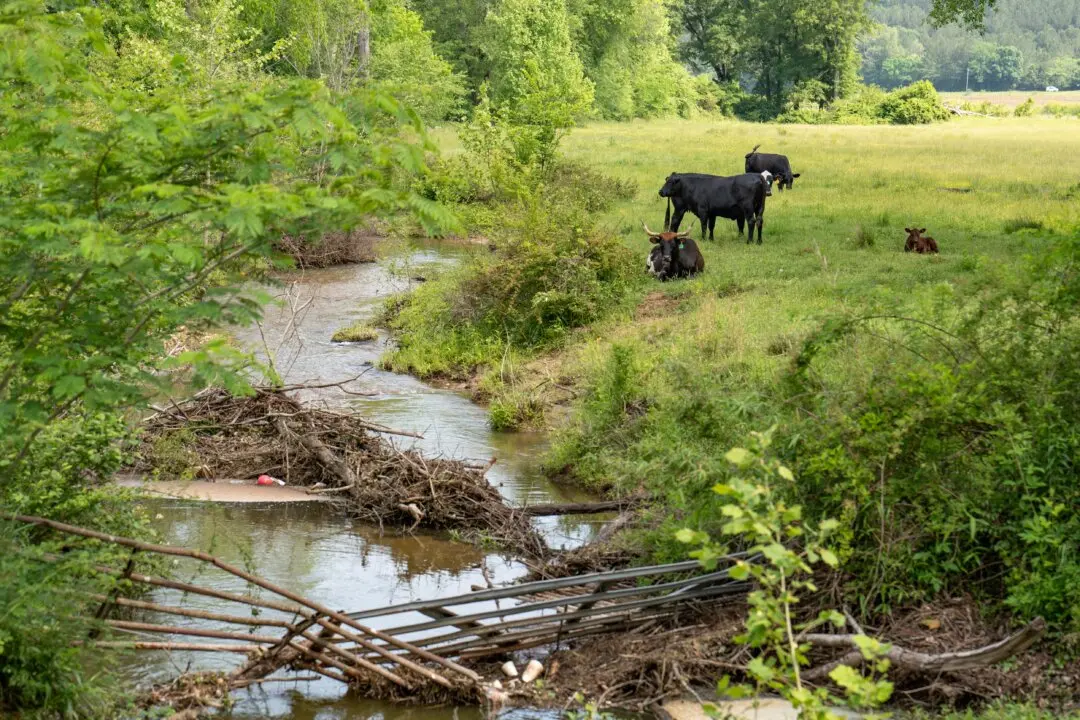
That’s why I encourage you to flip the bag over and read the ingredients. Look for products that list steer manure, cow manure (bovine), composted plant matter, or organic material with no mention of biosolids. Even in agriculture, we know that animals are sometimes overtreated with antibiotics, but the risk of pharmaceutical contamination is still much lower with animal manure than it is with biosolids.
Plus, cow manure isn’t full of paint thinner, household bleach, or antidepressants. And unlike human waste, animal manure doesn’t have to be chemically separated from water. It’s much simpler—and less likely to contain synthetic chemical residues. This same issue shows up in cities that recycle wastewater. Since we don’t yet have the technology to filter out pharmaceuticals, those hormones and drugs stay in the system.
One of the most common culprits? Estrogen from birth control. With infertility rates climbing and testosterone levels in men declining at alarming rates, we have to ask: Is there a link between these issues and the hormone-laced water we’re drinking?
I’m not claiming to have all the answers, but I believe we have to keep asking these questions. Why is our system designed in a way that makes it so hard to avoid contamination—even when we’re trying our best to grow our own food?
I’m not writing this to discourage you from gardening. Quite the opposite—I want to invite you to garden. To grow something. To feel the joy of picking your own salad greens or tomatoes. To get your hands in the dirt and reconnect with the earth. But I also want to invite you to be curious and informed. Read the label on your soil. Ask questions at your garden center.
Choose compost with ingredients you recognize and trust. The more we understand, the more empowered we are to make choices that truly support our health and our families. We all deserve to thrive—not just survive. So plant a seed. Grow some food. But know what you’re growing it in. Happy growing. Happy gardening.