I was saddened when I read the Supreme Court’s decision this week involving Roundup.
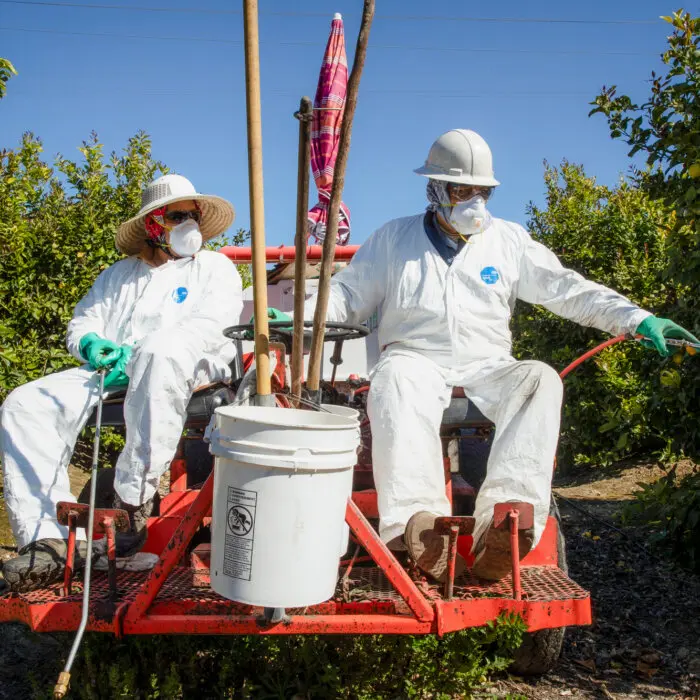
As a mother and as a farmer, I do not believe the science surrounding glyphosate is settled. I don’t think a debate involving billions of dollars in settlements, roughly 200,000 legal claims over the years, and countless families dealing with cancer should be dismissed as though every important question has already been answered.
At the same time, I recognize that the Environmental Protection Agency (EPA) has repeatedly concluded that glyphosate does not require a cancer warning on its federally approved label. Those two realities exist side by side, which is exactly why this issue remains so contentious.
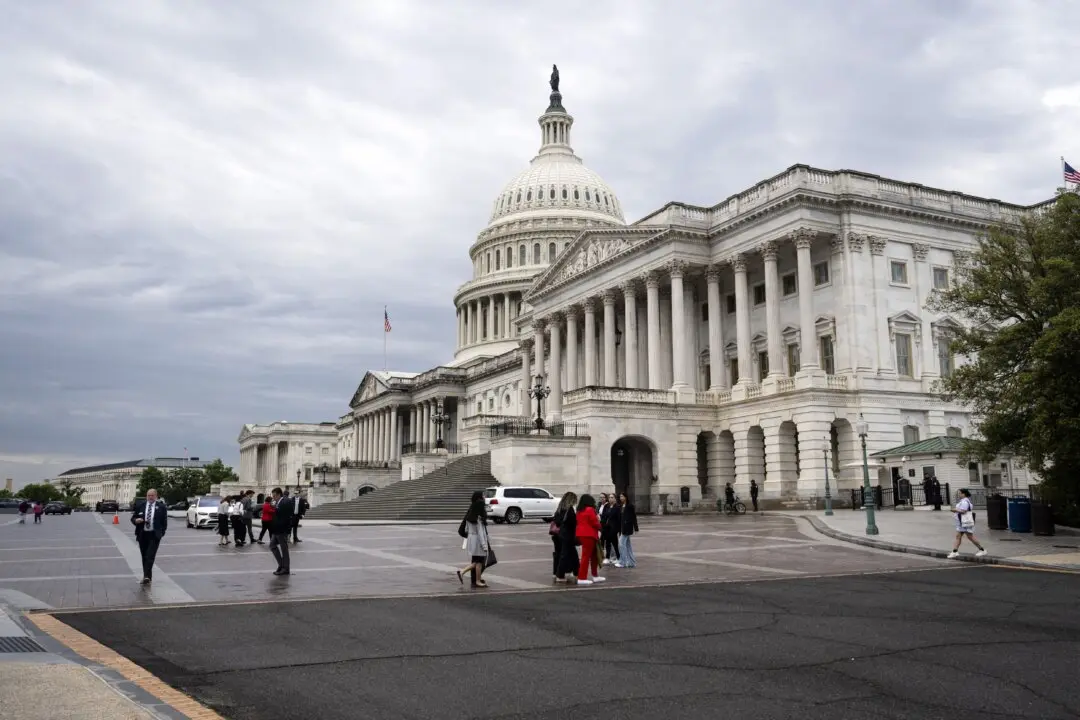
The Supreme Court did not declare glyphosate safe. It answered a legal question. In a 7–2 decision, the Court concluded that federal pesticide law generally prevents states from allowing certain failure-to-warn lawsuits when the EPA has approved a label without a cancer warning. In practical terms, the ruling significantly limits many state-law claims that argued Roundup should have carried additional cancer warnings.
For that reason, I was saddened by the Court’s decision. I worry that it provides an additional layer of legal protection for a company manufacturing a chemical that I personally believe is harmful. That is my opinion, and I recognize others, including federal regulators, disagree.
My disappointment, however, is not based solely on my views about glyphosate.
I’ve recently written about the importance of applying federalism consistently. My position hasn’t changed simply because the issue is glyphosate instead of animal housing.
I believe states should have broad authority to establish standards that reflect the values of their own citizens. If California wants stronger warning labels for chemicals sold within its borders, I believe California should generally have that authority. If Texas chooses a different standard, that should be Texas’s decision. Businesses are not required to sell into every market.
If complying with one state’s requirements is too burdensome, they are free to focus on other markets. That may create inconvenience, but inconvenience alone is not enough to abandon the constitutional principle that states retain meaningful authority to govern themselves.
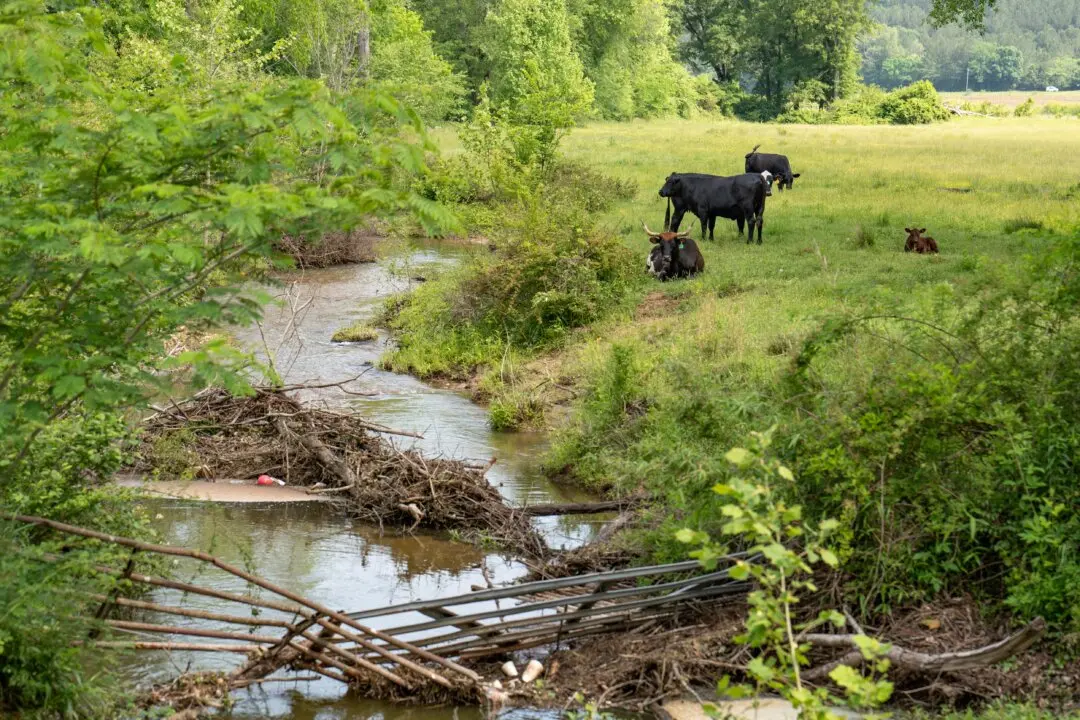
I have spent years trying to reduce chemical inputs. We don’t use glyphosate on our ranch. I believe healthy soil leads to healthier plants, healthier animals, and ultimately healthier people.
If I had my way, American agriculture would continue moving toward biological systems that rely less on synthetic chemistry and more on nature itself.
That doesn’t mean I pretend glyphosate has no value.
Many respected regenerative and conservation agriculture experts believe that no-till systems that use glyphosate to terminate cover crops are healthier for the land than repeated tillage. This perspective is widely held within portions of the regenerative agriculture movement and is supported by research showing that reducing tillage can improve soil structure, reduce erosion, and build soil carbon.
I personally choose a different path. We terminate our cover crops without herbicides.
But it is also important to recognize that conservation no-till is only one part of the story. Much of the glyphosate used in American agriculture is not being applied solely to preserve soil structure or reduce tillage. It has become a foundational tool in a highly productive commodity agricultural system designed to maximize efficiency, reduce labor, and produce enormous quantities of inexpensive food.
That leads to the questions I find far more interesting than the legal decision itself.
What are we optimizing for?
Do we prioritize maximum yield or maximum nutrient density?
Do we prioritize lower grocery bills today or lower healthcare costs decades from now?
Do we prioritize labor efficiency or reducing long-term chemical exposure?
Do we prioritize abundant commodity production or healthier ecosystems?
These are not easy questions because every agricultural system optimizes for something. Every decision creates benefits, costs, and unintended consequences.
As a farmer, I understand why glyphosate became so widely adopted.
As a mother, I understand why families worry about it.
Those positions are not contradictory. They are exactly why this conversation deserves more humility than slogans from either side.
The Supreme Court can decide the application of law.
It cannot settle the science.
It cannot determine what future research will reveal about glyphosate. It cannot decide what level of risk society should be willing to accept in exchange for greater efficiency or lower production costs. It cannot answer whether our food system has struck the right balance among productivity, profitability, environmental stewardship, and human health.
Those questions belong to scientists, farmers, physicians, lawmakers, and ultimately the American people.
Whether today’s ruling was legally correct will continue to be debated by constitutional scholars. Whether America has struck the right balance between inexpensive food, productive agriculture, environmental stewardship, and human health is an even larger conversation.
I hope glyphosate is every bit as safe as its defenders believe.
I also hope those raising concerns continue asking difficult questions without being dismissed as anti-science or anti-farmer.
A Supreme Court opinion can settle a lawsuit.
It cannot settle biology.
And it should never bring an end to honest debate.