The last holdouts of COVID-era student loan programs will have their interest reinstated in August 2025.
Nobody imagined that this would last as long as five years for some borrowers. During the Biden administration, generosity toward student loan holders expanded. One major addition was the SAVE Plan—a very generous repayment plan which capped interest and offered payments as low as $0 per month.
The US already has several legal pathways to loan forgiveness. Perhaps the largest is Public Service Loan Forgiveness (PSLF). If, after graduation, a borrower works for the government or a qualified non-profit, he can enroll in PSLF. After making 10 years of student loan payments, the remainder of his balance is forgiven.
Other programs, like Income-Driven Repayment (IDR), are available to those with lower incomes and require 20 to 25 years of payments.
This matters because during the COVID student loan repayment pause, the non-payments counted towards the timers of PSLF and IDR. If you were enrolled in one of these programs, you’ve essentially had three years of payments removed from your obligation. Assuming these programs continue, the COVID pause will have eradicated about 30 percent of PSLF debt for affected borrowers. Like the interest pause, this lower revenue for the government likely means higher taxes.
On August 1, the pause on interest will finally end for the SAVE Plan holdouts, who at this point have had their loan payments paused for about five years. What the future holds for student loans remains unclear. The Trump administration has signaled a willingness to chip away at programs like PSLF.
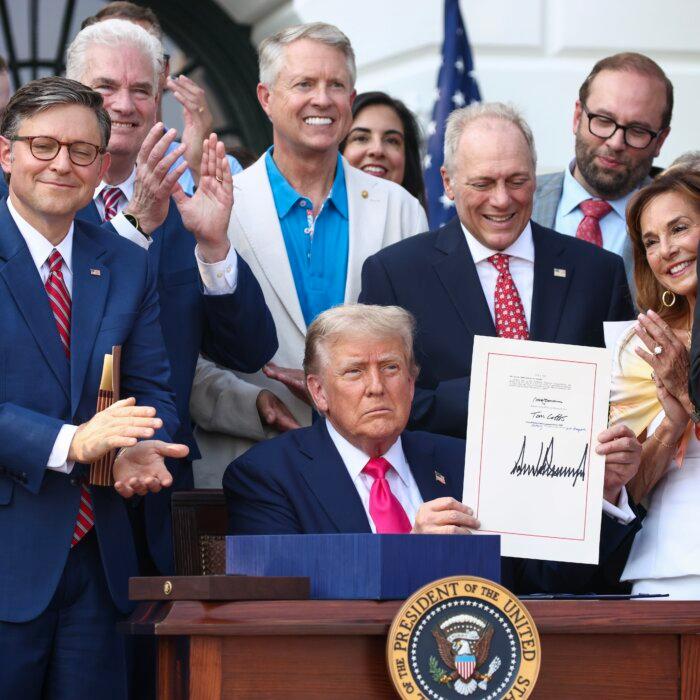
“The new law also does away with Grad PLUS loans, which help people finance higher education degrees... Those seeking unsubsidized federal loans for professional degrees, such as law or medicine, will be restricted to $50,000 per year and a $200,000 lifetime cap. Those seeking advanced degrees in nonprofessional areas, such as history or philosophy, will be subject to an annual borrowing cap of $20,500 and a lifetime limit of $100,000.”
This change likely targets the regressive nature of loan forgiveness—programs that often benefit doctors, lawyers, and others earning high salaries in the nonprofit or government world.
The cost of COVID student loan programs will be with us for a long time. But with the end of SAVE interest forbearance, it seems that COVID-era loan policies are finally behind us.