I hung up the phone after a 23-minute conversation with a woman who had asked me question after question about the ranch. Every answer I gave her was already on our website, clearly laid out and easy to find. Nothing we talked about required that call.
And yet, the call mattered.
As I sat there for a moment, it became clear to me that she hadn’t reached out because she couldn’t find the information. She called because she wanted to talk to another human being. The questions were simply the vehicle that made the interaction socially acceptable.
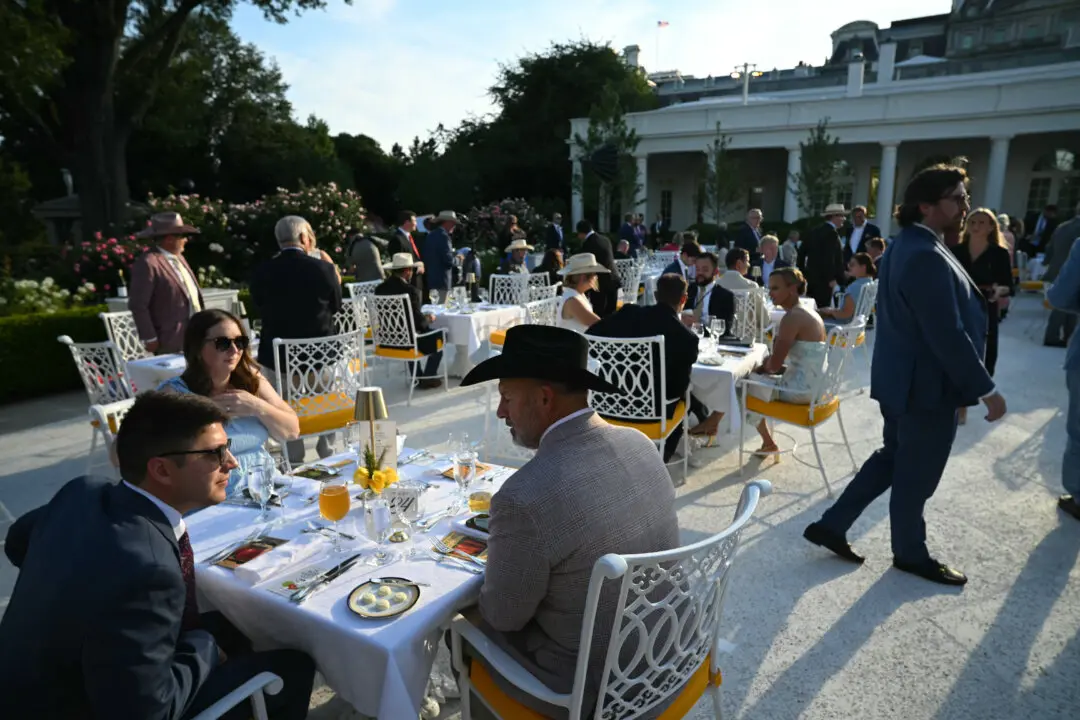
I see this pattern over and over again now, both on the phone and in person. People come out to the ranch, sit at the bar, and begin asking about the animals, the land, the food, and how we do things. At first, it sounds like curiosity about the place itself, but if you stay present long enough, you begin to hear something else underneath it. They are not just gathering information. They are looking for connection, for conversation, for a moment where they can share a piece of their life and have it received by someone who is actually listening.
We have built a world that prioritizes efficiency, and in doing so, we have quietly removed many of the small human interactions that once shaped daily life. It used to be normal to talk to the bartender or the server at a restaurant, to have a familiar face greet you and exchange a few words. Now, in many places, you order from a tablet or scan a code, complete the transaction, and move on without ever speaking to anyone.

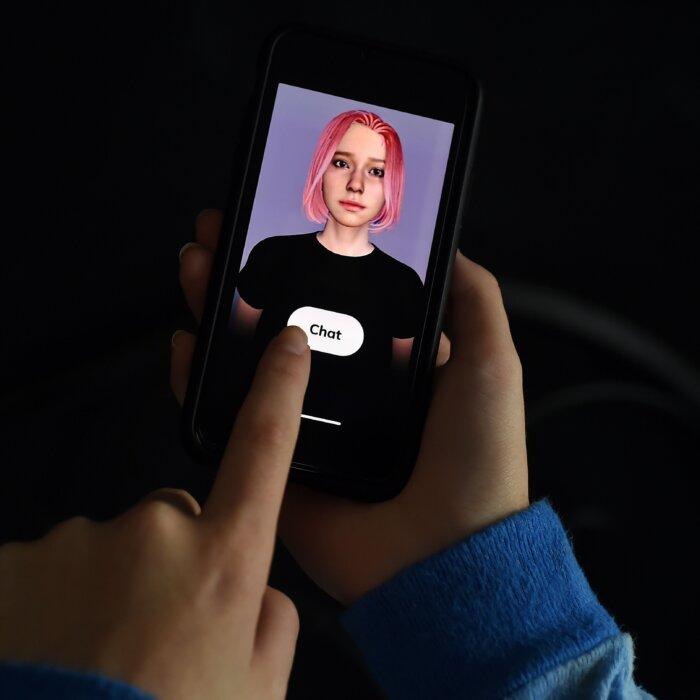
The same shift has happened at the grocery store, where self-checkout lines replace the brief but real conversations that used to happen between customers and clerks. Even something as simple as calling a business has changed. Where a person once answered the phone, we are now met with automated systems, robotic voices, and menus designed to route us away from human contact as efficiently as possible.
Shopping itself no longer requires us to move through the world. What once involved leaving the house, interacting with people, and participating in a shared space now often ends with a package delivered silently to the front door. We call this progress, and in many ways it is, but it comes with a cost that we rarely stop to measure.
Human beings are not designed for isolation. We are meant to live in families and communities, to share space, conversation, and responsibility. Yet more people are living alone than ever before. Children move away or never come. Spouses pass on. Marriages never happen. The structures that once created built-in, daily connection are no longer as reliable as they once were.
What remains is a kind of quiet loneliness that often goes unnamed. People feel it, but they don’t always recognize it for what it is. Instead, it shows up in small decisions. A drive out to a ranch in the middle of the country. A seat at a bar instead of a table. A phone call that could have been avoided but wasn’t.
I see it in the way conversations stretch just a little longer than necessary, in the way questions lead to stories, and in the way some guests linger, hoping for just a few more minutes of interaction. Occasionally, I can feel the disappointment when I am too busy to engage, and it has nothing to do with the quality of the food or the experience itself. It has everything to do with the missed opportunity for connection.
The same thing happens on the phone. The questions circle, repeat, expand, and drift into territory that has little to do with logistics. Some of these people will come visit the ranch, and some never will, but the call itself serves a purpose that goes beyond planning a trip. It becomes a moment of contact in a world that offers fewer and fewer of them.
As our lives become more automated, more digital, and more self-directed, we are going to have to reckon with what we are losing. Efficiency removes friction, but it also removes relationships. It streamlines processes while quietly erasing the human presence that once accompanied them.
Social media has attempted to fill this gap, but it does so poorly. It offers visibility without intimacy, communication without presence, and interaction without depth. A comment thread cannot replace a conversation, and a message sent through a screen does not carry the same weight as sitting across from someone and sharing time and space together.
We are still wired for something more tangible than that. We are wired for eye contact, for tone of voice, for the subtle cues that tell us we are being heard and understood.
The question now is whether we are willing to preserve the spaces where that kind of connection can still happen. That may mean choosing places that prioritize human interaction over convenience, answering the phone when it rings, or allowing conversations to unfold even when they are not strictly necessary.
Because increasingly, those unnecessary conversations are the ones holding something essential together.
They are about connection.