“It is the maxim of every prudent master of a family, never to attempt to make at home what it will cost him more to make than to buy. ... What is prudence in the conduct of every private family, can scarce be folly in that of a great kingdom.”
One of the most basic dilemmas of business, household management, and international trade is the “make or buy” problem. If you can buy something cheaper than you can make it, then you should make that purchase.
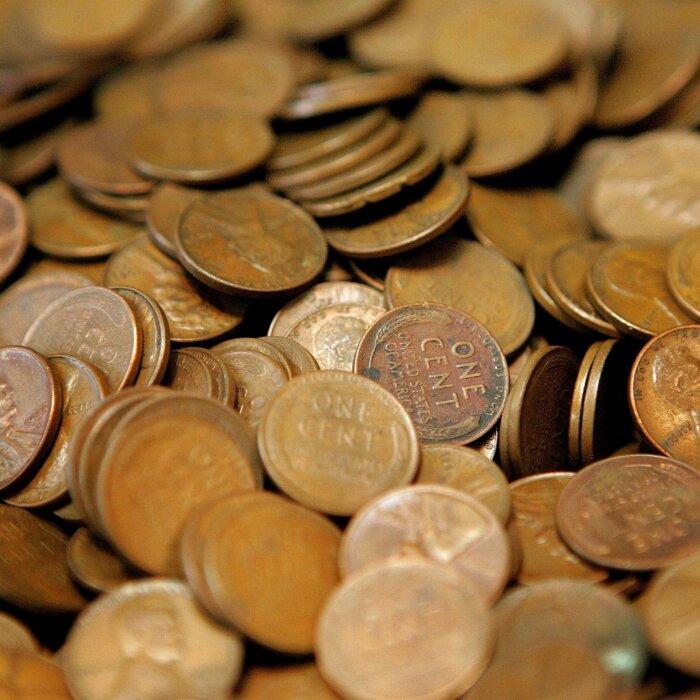
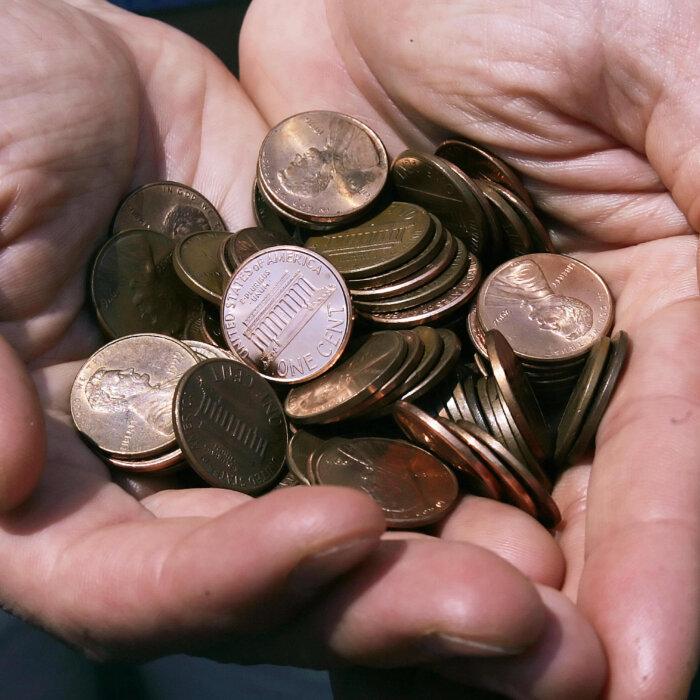
This may sound ridiculous, but I’m serious: Instead of making brand-new pennies, what if the government simply bought back some of the 114 billion pennies already floating around in drawers, jars, and couch cushions across America?
Think about it. The vast majority of those pennies aren’t being used in everyday transactions, or even every year transactions. They’re collecting dust. But what if the government offered, say, 1.5 cents for every penny returned? That’s “more than the coin is worth”—so people would have an incentive to dig them out—and it’s still far cheaper than making new ones.
Buying back 3.2 billion pennies at 1.5 cents apiece would cost the government about $48 million. Compare that to the $120 million that it cost us to make the same number of pennies. We would have saved more than $70 million a year, and we’d be “recycling” (actually, reusing) all that copper (and zinc, since pennies are mostly zinc, with a copper coating).
We would still have to distribute that buyback program evenly across the 12 Federal Reserve regions, since that’s where the manufactured pennies are sent, in trucks. So we’d also save the transport costs; instead of making the pennies at the Philadelphia and Denver mints, and then shipping them, we would just buy and use the pennies where they already reside.
Of course, buying back pennies isn’t a perfect solution. You’d need a system to collect, verify, and redistribute those coins. The answer is probably to put change collection machines at post offices, since they already have security, and trucks to ship the coins to the Fed’s District distribution centers. From there, the process would work just as it works now: The pennies would go to private banks, at face value, and then banks would distribute the money to use for change to businesses that need it, rolled up in those little 50-cent rolls.
Some people might hoard their pennies, waiting for a better price. And that might work. Maybe 1.5 cents per penny is not enough; maybe the answer is two cents per penny. That’s still cheaper than the 3.7 cents it costs to make the darned things now.
Of course, some of the pennies would have to be retired, because they are too old. But it would be possible to detect old coins, by composition, or worn-out coins, by their lower weight. The collection machines could do this sorting automatically, diverting the old coins from the stream.
Importantly, those old coins themselves are worth something. Some of them would be melted down, because from 1864 through 1982, pennies were 95 percent pure copper. The old coins would be an important source of that metal. But even before that, collectors are likely to be willing to pay for access to the old pennies before they are “retired.”
A lot of details would have to be worked out. But the point is that there is an intermediate solution, where we could phase out pennies by buying them instead of making them, or eliminating them entirely.