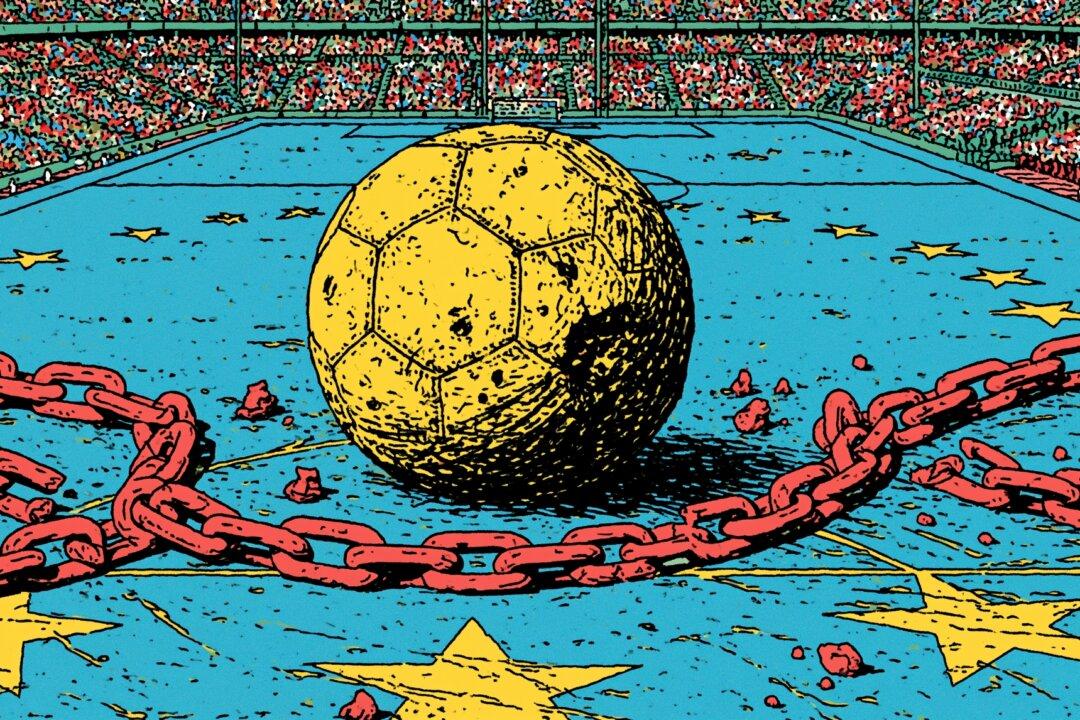
In a world where global power is measured by military strength, technological innovation, or cultural influence, it is striking that the European Union, without housing major tech giants or centers of disruptive innovation, has turned bureaucracy into a tool of global power. It shapes the behavior of global companies, including American big tech firms, which adapt their products to comply with European norms. This phenomenon is known as the “Brussels Effect” and has positioned the EU as the world’s regulatory superpower, fueling growing tensions, particularly with the United States following the reelection of President Donald Trump.
The European market comprises 450 million consumers with significant purchasing power, making it an essential destination for global companies. However, access to this attractive market comes with detailed regulations based on the precautionary principle, ostensibly prioritizing consumer and environmental protection, and enforced by an efficient bureaucracy capable of implementing and enforcing rules with precision. This combination encourages companies to align their global operations with European standards, as maintaining different product versions for each region is costly and complex. In practice, this exports European standards worldwide.


These successive impositions and forced adaptations illustrate precisely Friedrich Hayek’s warning about the dangers of central planning. When spontaneous order is replaced with top-down, uniform rules imposed by a technocratic authority, the capacity for local adaptation and respect for market complexity is lost. In this scenario, the European Union increasingly takes on the features of a regulatory Leviathan, a body concentrating disproportionate power in the hands of bureaucrats far removed from citizens, reducing freedom of choice and stifling innovation.
The impact of these regulations on consumers is twofold. Within Europe, they face direct limitations such as reduced functionalities, less personalization, and more expensive subscriptions, such as Meta’s “pay or consent” model, which requires users to either accept data tracking or pay monthly to maintain access. Outside Europe, these same adjustments are often applied globally, since maintaining distinct product versions for each jurisdiction is logistically complex and financially unsustainable. Thus, the cost of European compliance is passed on worldwide, affecting consumers who had no say in the original regulatory decisions. It is, therefore, a form of “exported bureaucracy” with both economic and political consequences, contributing to a subtle yet steady erosion of individual liberty.
Companies have fought back, initiating legal actions to contest fines and rules such as Apple’s appeal in 2024 against DMA penalties. To the detriment of consumers and innovation, however, little seems to change.
Markets should be free. Both European interventionism and American protectionism represent distortions that punish consumers and hinder innovation. The ideal of a free market rests on open competition, freedom of choice, and the absence of artificial barriers imposed by states whether in the form of tariffs or hyper-specific regulations. In a world where technology evolves at exponential speed, tying progress to bureaucratic or retaliatory logic is not only ineffective; it is also self-destructive.