Commentary
It was a busy Saturday in the restaurant when I heard the farm radio crackle in the background. There was an emergency on the ranch. They needed help with a goat in labor.
Sometimes it takes a woman’s touch.
By the time I got out there, the baby that had been stuck was already starting to work its way out. I gently helped guide it down to the ground. A second kid followed shortly after. I barely had to assist with that one.
We gave both of them a quick drench to help them get started.
Then I walked back to the restaurant, washed my hands, and got back to work.
When I returned to the dining room, one of the guests struck up a conversation about goats. He told me his daughter had been raising them for milk, but they kept ending up with too many boys.
Eventually there were simply more goats than they knew what to do with.
“We had to give them away,” he said.
I asked him if he was a vegetarian.
“No.”
“So you just didn’t eat them?”
“No,” he replied. “I just don’t know how to cook goat.”
That short exchange stuck with me because it reveals something important about the American food system.
In much of the world goat is completely normal food.
But in the United States goat feels unfamiliar.
And while culture plays a role in that, there is another factor that most people outside of farming never see.
The economics of slaughter in the United States make it incredibly difficult for small farmers to bring animals like goats or lambs to market.
I see this reality every time I take animals to the butcher.
The cost to process a lamb or a goat is roughly the same because they are about the same size. At the processor I pay a fee to kill the animal and a fee for disposal. There are also pathogen tests that have to be run on each animal. After that are the per pound processing fees.
On top of that come the smaller charges, which add up quickly. Vacuum seal bags. Stickers. Labels.
Some processors even charge 10 cents per package just to print the weight on the label.
I once received thousands of pounds of meat back from the butcher with no weights on any of the packages. I called them and said, “There’s no weight on anything. This is for retail sales. I can’t sell it without weight.”
They told me I hadn’t paid the fee for weights.
When you start adding all of those costs together, the price of processing alone becomes staggering.
Right now it costs me just over $5 per pound to process lamb. That is processing alone, before feed, land, labor, or the cost of the animal itself.
Hogs are not much different. When you include sausage making, bacon curing, and the other steps required to turn a pig into the products consumers actually want, I am paying just under five dollars per pound in processing.
Meanwhile large meatpackers operate in a completely different economic universe.
Their facilities process thousands of animals a day. Many of those same companies also operate facilities in other countries where labor costs, land costs, and regulations are very different.
They own the supply chain from beginning to end. Feedlots, slaughterhouses, packing plants, and distribution networks often sit under the same corporate umbrella.
They operate at a scale that lets them spread costs across enormous volumes of meat.
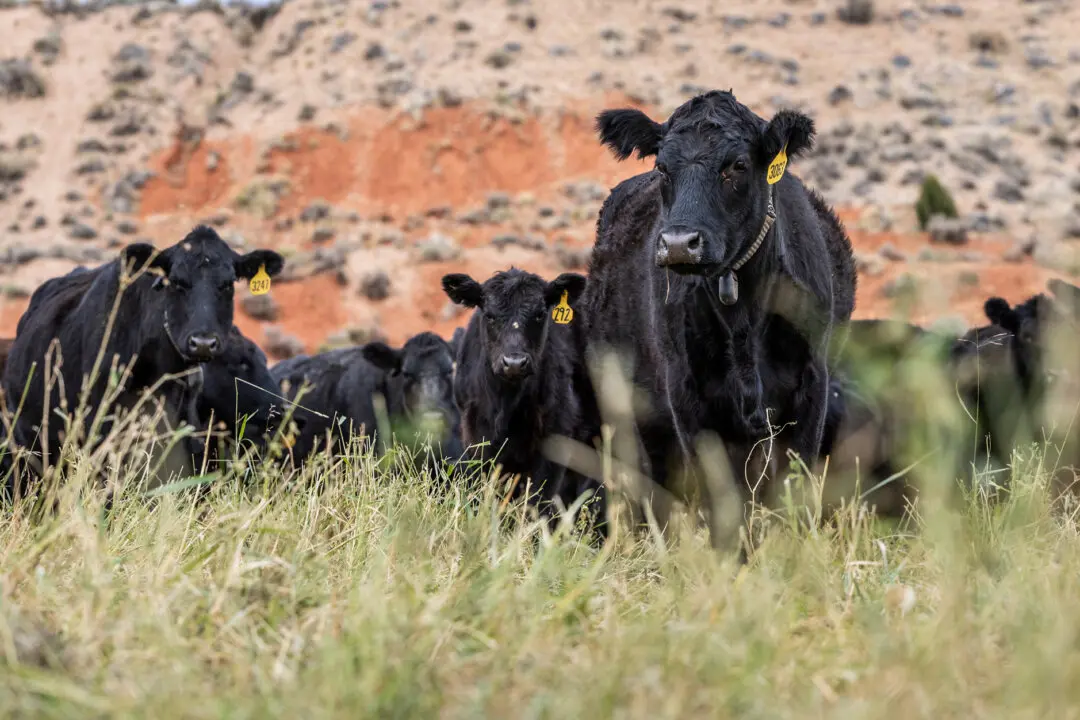
For a steer that produces 600 pounds of meat, the cost of kill, disposal, and pathogen testing gets spread across all 600 pounds.
For a goat or a lamb producing 40 pounds of meat, those same costs get spread across 40 pounds.
The math changes dramatically.
I have even walked into Costco and seen grass fed lamb, imported from overseas, selling for almost the same price that I am paying simply to process lamb here in the United States. Processing alone.
When a system reaches that point, something structural is clearly happening.
There is another piece of the puzzle that most consumers never see.
In the United States we largely eat muscle and fat. The rest of the animal is considered waste. Organs, bones, blood, and many other parts must be disposed of or rendered.
In other parts of the world much more of the animal is used as food. Those same parts that Americans often discard are cooked, eaten, and valued.
Here they become a cost to the processor, who must dispose of it.
The irony is that, from a farming perspective, animals like goats and sheep are remarkably efficient. They reproduce faster than cattle and often produce twins or even triplets. They reach maturity faster and can thrive on rough land where cattle struggle.
There is also a market for lamb in the United States. It is easier to sell than goat because people are somewhat more familiar with it.
But not at the price that a small producer often needs to charge in order to cover the cost of processing alone.
For goats the challenge is even greater.
The only place goat has consistently worked for me is inside the restaurant. If I get the whole animal back from the butcher and use it nose to tail in the kitchen, the economics start to make sense.
But even there the cultural hurdle remains.
People will happily order goat when they see it on a menu. It feels adventurous and interesting in a restaurant setting. Yet many of those same customers will walk past goat meat at a grocery store because they simply do not know how to cook it.
At the same time America is slowly changing. Immigration has brought cuisines and traditions that include goat as a staple. I recently noticed halal bone-in goat at Costco, something that would have been rare to see a decade ago.
So perhaps the market is beginning to shift.
Still, the deeper issue remains the structure of our food system.
In many parts of the world animals are processed locally by small butchers. Nearly every part of the animal is used. The system is decentralized and flexible. Small livestock like goats fit easily into that model.
The American system was built around industrial scale meatpacking designed primarily for cattle and hogs. Once that infrastructure existed, it shaped everything that followed.
Animals that produce large carcasses fit the system perfectly. Animals that produce smaller carcasses struggle to find a place within it.
For farmers trying to rebuild local food systems, this creates a frustrating reality.
We are often told that the answer to America’s agricultural challenges is more local food, more diversified farms, and more regional supply chains.
But if the cost of slaughter alone pushes the price of meat beyond what consumers are willing to pay, those local systems become incredibly difficult to sustain.
The conversation about agriculture in America often focuses on land, water, or subsidies.
But sometimes the most powerful forces shaping our food system are far less visible.
Sometimes the real story begins at the slaughterhouse.