On the stroke of 11 a.m. on the 11th day of the 11th month of 1918, fighting ceased on the Western Front, bringing an end to what contemporaries were calling the Great War—the most destructive conflict in world history up to that point. Rejoicing and relief were the order of the day, at least on the Allied side.
The headlines of the Ottawa Citizen read: “PEACE! World War Ends; Armistice Signed; Kaiser Is Out; Revolution Grows.” In Montreal, Le Devoir reported: “Workers … arrived at their factories with their hearts light, liberated from a great burden. In the animated streets, pedestrians were brandishing newspapers with large smiles, their eyes brimming with fire.” The Winnipeg Free Press reported, “Winnipeg Goes Wild With Joy of Peace.”
Church bells rang across Canada, spontaneous processions broke out, liquor flowed, bands played, and tens of thousands of women and children wondered when their fathers, husbands, and sons would be demobilized and ready to come home.
Among the cities of the defeated Central Powers, the reaction was less jubilant. In Berlin, the news was, “Berlin Seized By Revolutionists: New Chancellor Begs For Order; Ousted Kaiser Flees To Holland.” The Neue Freie Presse in Vienna read, “The Empire Collapses.” Front-page stories across Germany and Austro-Hungary covered food shortages, public protests, and the turmoil that followed the proclamation of peace.

Today, Sir Arthur Currie is remembered as a brilliant military leader, an innovator, an opponent of the “war of attrition,” and an architect of the great Canadian victory at Vimy Ridge. Immediately after the war, however, he came in for intense criticism. The nickname “Butcher” was attached to him; some called for his court-martial, and many decried him for needlessly sacrificing lives for what was a symbolic victory.
In 1928, he sued the Port Hope Evening Guide newspaper for accusing him of wasting lives. During the trial, he argued that to cease fighting early would have been disobedience and treason, and that his orders for the last day of the war stressed caution and minimizing casualties. The jury found in his favour but awarded him only a token sum in damages. The trial seems to have broken Currie’s spirit and he died five years later, having never fully recovered his health.
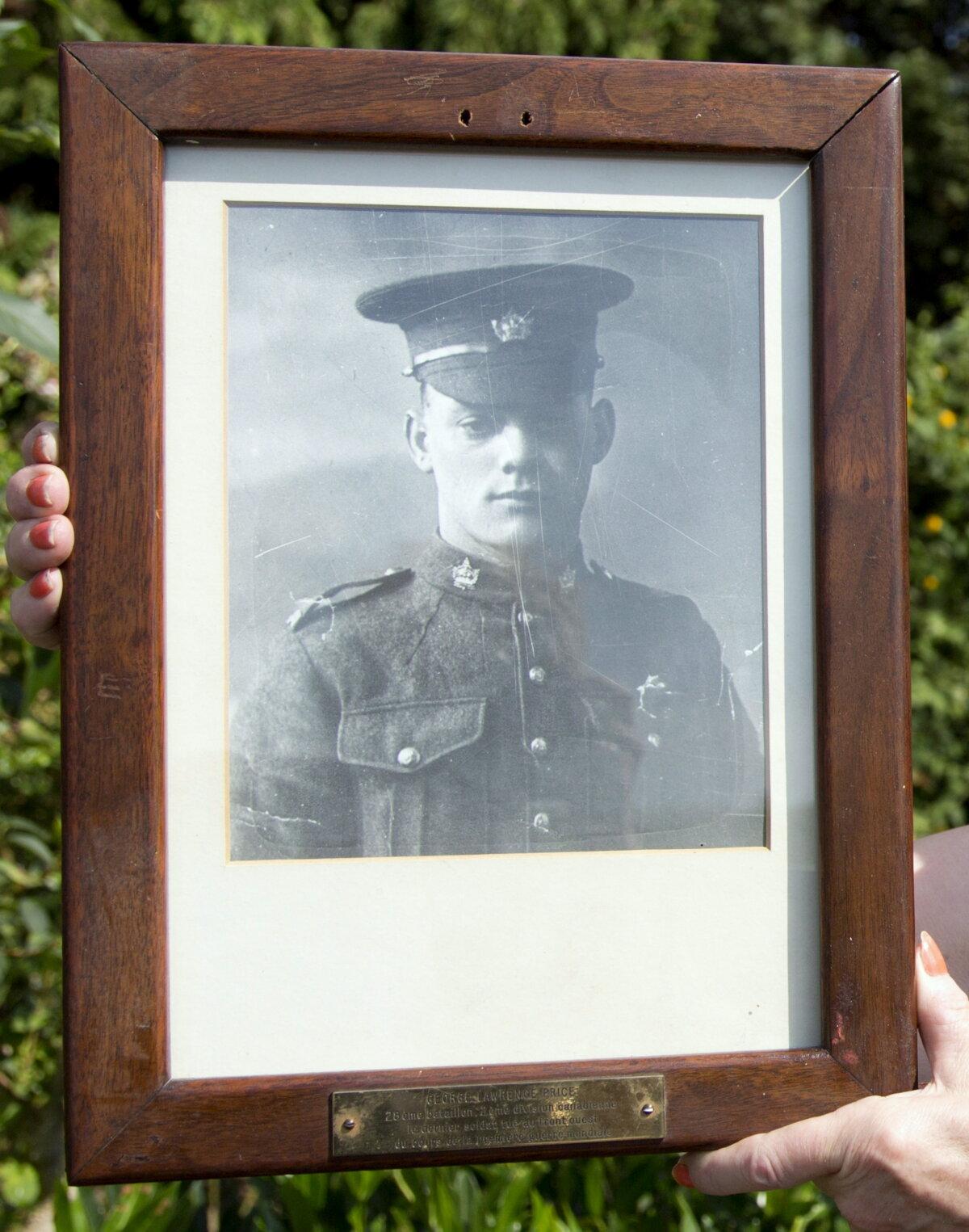
War is cruel, and the worse the conflict and higher the casualty count, the less individual deaths appear to matter. World War I claimed 20 million lives, a number of dead too vast to imagine—but that figure comprises 20 million individual stories, 20 million tragedies that preceded George Price.