A generation ago, the parents of “The Brady Bunch,” “Eight Is Enough,” “Full House,” “The Partridge Family,” and “The Cosby Show” were held up as models of good parenting.
No matter the show, nearly every episode featured a child facing a dilemma. Loving parents listened, drew upon years of life experience, shared relatable stories, and helped guide their children toward a solution. By episode’s end, the child felt heard, loved, and supported.
These television parents fed, housed, protected, and encouraged their children. Their homes were loud, imperfect, fun-loving, and filled with unconditional love.
What changed?


While understanding mental health has improved and helped people recognize unhealthy family dynamics, are we becoming better at identifying toxic relationships—or simply less tolerant of ordinary family imperfections? If everyone loses their family, who really wins?
While distance may be necessary in cases involving severe abuse, addiction, or coercive control, no-contact is extending to ordinary family conflict, and disagreements and parental imperfections are viewed through a perspective that leaves little room for forgiveness.
Countless parents are dumbfounded. They were not abusive; they were ordinary, loving parents who now find themselves in therapists’ offices asking: “What did I do wrong? I thought I was doing everything correctly, yet someone has changed the parenting rules.”
Yet parents unknowingly contribute to the breakdown. They struggle to respect boundaries, treat adult children like teenagers, revisit sensitive topics after being asked not to, or refuse to acknowledge their past mistakes.
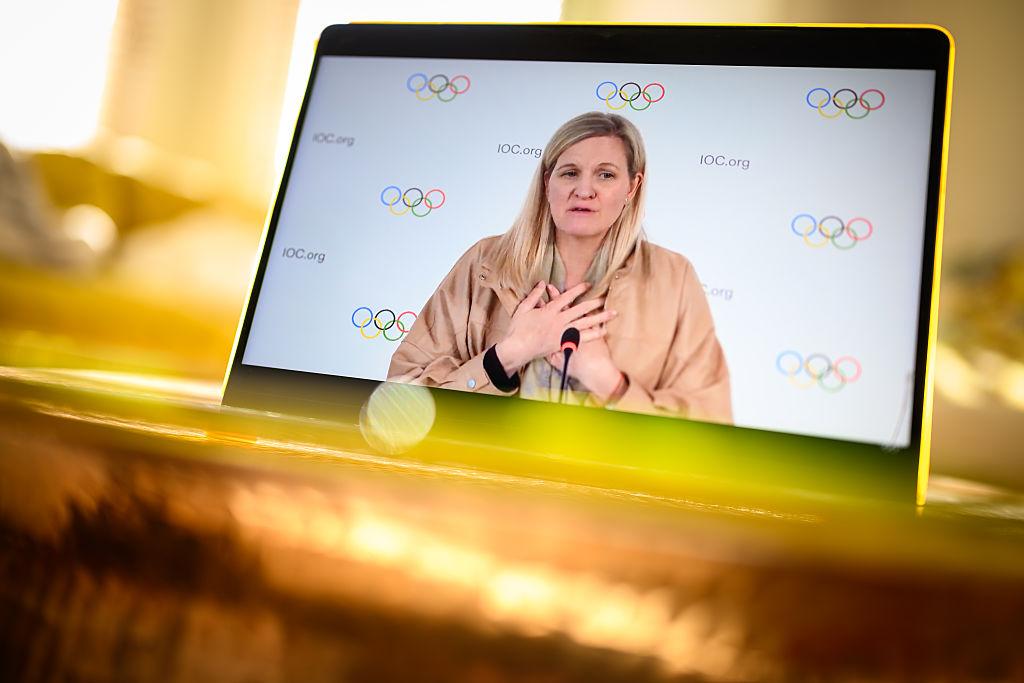
Kristen Gingrich, a licensed therapist who was estranged from her mother for seven years, stated on the Dr. Phil show, “Not every relationship can be saved or should be.”
This statement may feel harsh because no mother is perfect. Some parents are genuinely abusive, unsafe, or unwilling to change, and in those cases estrangement may be the healthiest option. But every family contains misunderstandings, disappointments, personality conflicts, poor decisions, and moments when people fail one another. Ordinary parental mistakes should not automatically earn a life sentence of estrangement.
Is there a solution?
Joshua Coleman, a psychologist whose daughter cut him off for years, warned on The Oprah Podcast that no-contact is often framed as a virtuous act of protecting mental health, adding, “I think that’s the problem.”
Karl Pillemer, author of “Fault Lines: Fractured Families and How to Mend Them,” found that people who are estranged from a family member often feel deep sadness, long for reconnection, and wish they could turn back the clock and prevent the rift.
Change is often needed on both sides. Parents must recognize they may truly be toxic—or perceived that way. Their behavior has contributed to the fracture. Rebuilding requires honest reflection and acknowledgment that relationships do not break down overnight.
Adult children also bear responsibility. While no-contact may feel justified at first, both sides should ideally remain open to reconciliation, growth, accountability, and healing. They should seek help, get to the root of the problem, and try to be part of the solution—not simply leave the relationship.
Before stepping away long-term, write a letter and say what hurt you. Give space for change. Accept apologies when offered. Give grace where it can be given, and consider the possibility of future reconciliation as part of your own healing process.
Not all families will reconcile, and some never should. But life is short, and too many adult children are closing the door before every reasonable path has been tried. Silence always comes with a cost.