For military planners in Taipei, the luxury of “theoretical” defense discussion has coalesced into pragmatic military preparation for an anticipated invasion from mainland China.
With the understanding that the United States may have abandoned its “strategic ambiguity” regarding China and its defense of Taiwan—by words and actions—Taiwan is operating under the assumption that an invasion is not only likely but could occur sooner rather than later.
This sense of urgency is not just driving policy; it is rewriting the island’s future as the window for a potential cross-strait invasion draws closer.
The Asymmetric Pivot: Trading Prestige for Survival
Taiwan’s most visible shift is in its financial commitment to increasing its military capabilities and readiness. Taipei has proposed a 2026 defense budget exceeding 3 percent of its gross domestic product, a staggering 22.9 percent year-over-year increase—that’s a record high for Taiwan. This rise in defense spending is bolstered by a $40 billion supplemental package pushed by Taiwanese President Lai Ching-te.But just as critical as the spending increases is the strategy behind the expanding military budget.
The ‘Porcupine Strategy’
Taipei’s defense strategy against a Chinese invasion is similar to that of Iran’s, which seeks to successfully endure the onslaught of U.S. bombings and missile strikes. The idea is to make a quick victory improbable, if not impossible, and thereby drag out the war and diminish the attacker’s desire, capability, and willingness to wage a long-term war.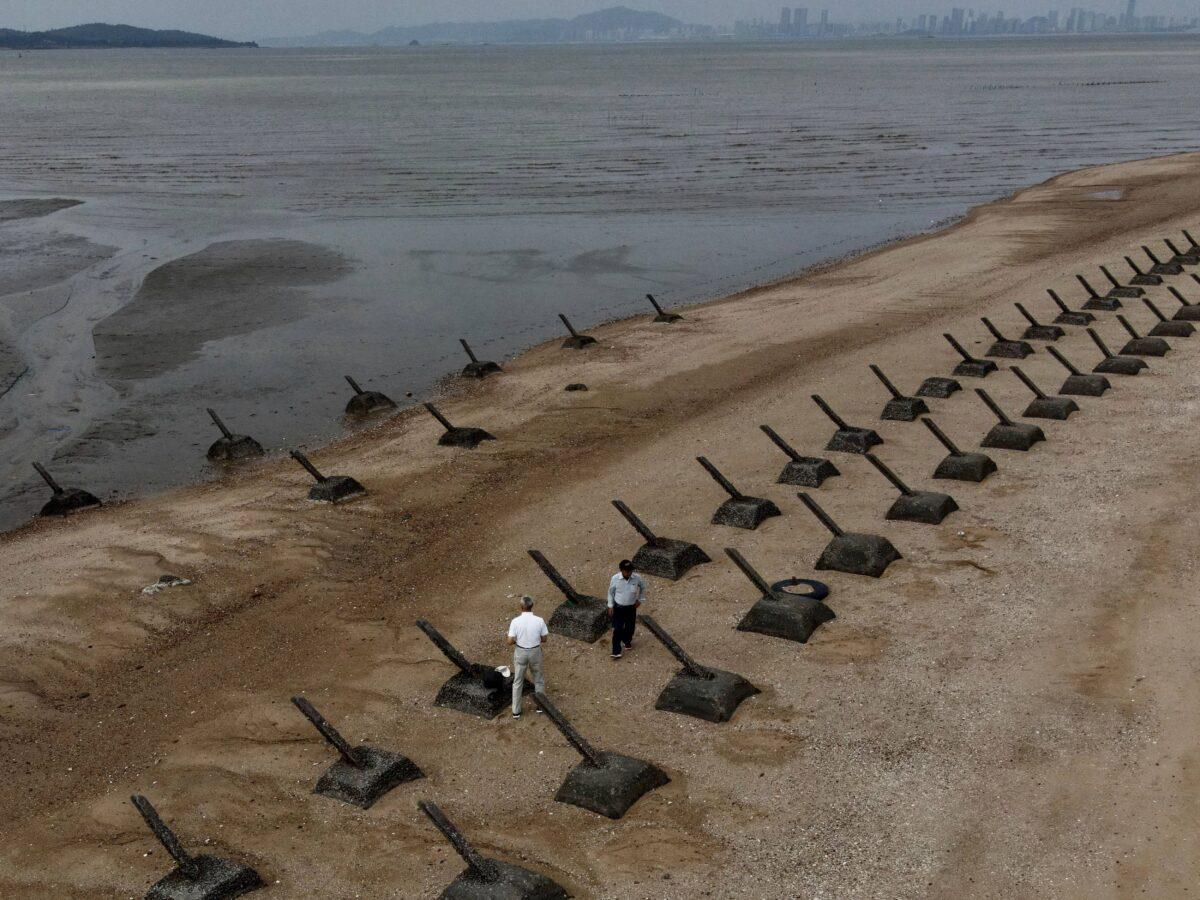
In essence, in the face of a much more powerful aggressor, anything short of surrender would be considered a victory.
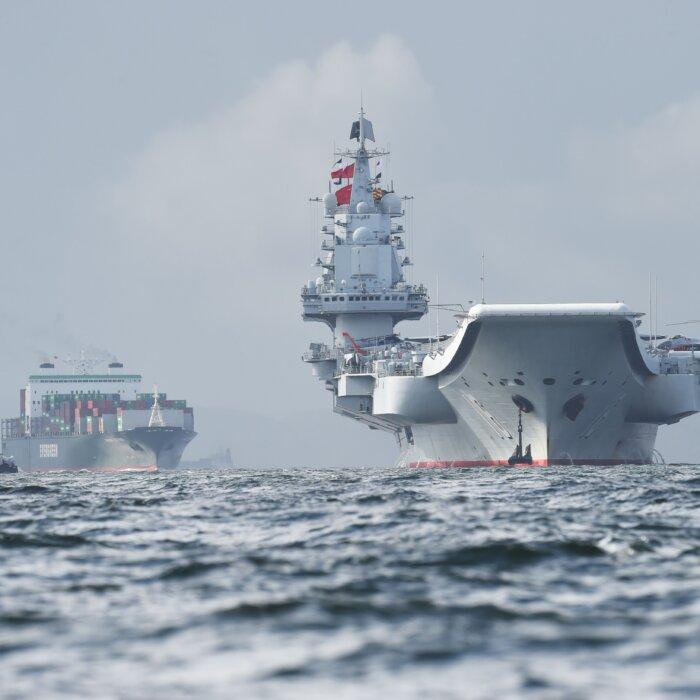
Taipei knows that it can’t match the firepower or numbers of the People’s Liberation Army (PLA). That’s why it’s investing heavily in sea drones, mobile missile units, and unmanned platforms. The military planners’ intention is to deny the PLA a quick victory, opting instead for an asymmetrical, highly distributed defense that is cheaper to deploy and significantly harder to destroy.
Military Readiness Means Shifting From Ceremony to Combat
The transformation also extends deep into the psyches of Taiwan’s military forces. The government is moving away from symbolic military displays and parades toward a sharper, more realistic, and high-frequency training regimen.This change in strategy, personnel preparedness, and mindset is grounded in the ongoing and bloody lessons of Ukraine and the Middle East. The objective is to make the cost of conventional warfare unacceptable to the PLA. That’s why recent war games and the annual Han Kuang exercises now prioritize drone integration, layered air defense, and early warning systems over conventional, highly choreographed military maneuvers that offer few advantages to Taiwan’s military.
2 Strategic Windows: Washington’s Distraction and Beijing’s Panic
There are two primary drivers of this sudden urgency within the halls of power in Taipei over a potentially imminent PLA invasion.First is the growing concern over U.S. distraction. With the United States militarily engaged in the Middle East and politically fractured at home, Taiwanese officials fear that Beijing may see a window of opportunity to strike while the “policeman of the world” is looking elsewhere. It’s a classic strategic calculation, based on the assumption that if Washington is overstretched in the Middle East, then the cost of invading Taiwan drops.
That may well be the calculation of the Chinese Communist Party (CCP).
Beijing’s Aggression Toward Taiwan Intensifies
Accordingly, rising numbers of military incursions into Taiwanese airspace and large-scale naval drills continue to signal that “reunification”—by force if necessary—remains the CCP’s goal. Beijing has shown no signs of moderating its position and, in fact, seems to be leaning into it. Propaganda efforts targeting Taiwan’s populace are also expanding.Taiwan’s defense leadership harbors no illusions about Beijing’s plans. Taipei has stated bluntly that the threat from the Chinese regime is active, not theoretical. By spending more, training harder, and mobilizing faster with U.S. support, Taiwan is sending Beijing the message that the cost of invasion would be neither easy nor cost-effective and that the PLA would not be victorious.
In short, the free island nation intends to survive the storm as it prepares for the worst.