The Supreme Court announced it will release opinions beginning on Friday, amid speculation about the future of President Donald Trump’s tariffs, new congressional maps, and an expected strike at the “deep state.”
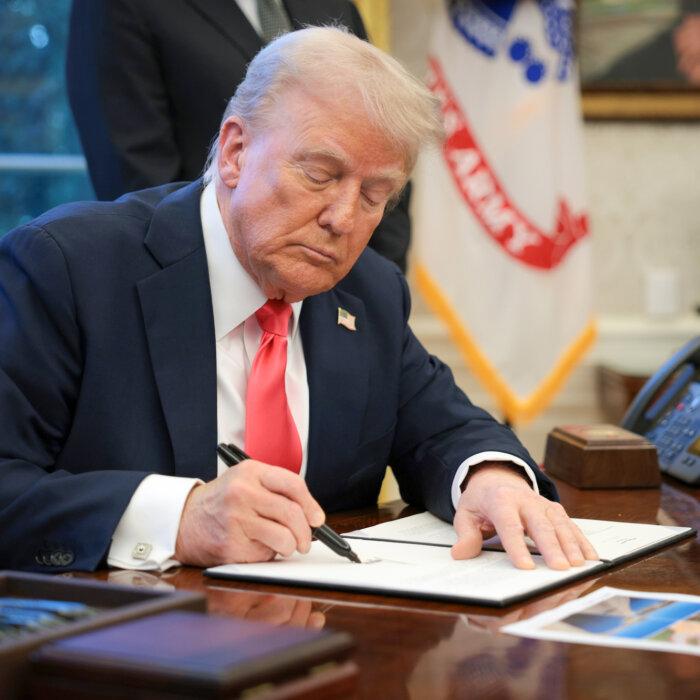
Among the most anticipated rulings is on Trump’s tariffs, imposed last year without authorization from Congress. Tariffs are core element of his economic agenda.
At issue is whether the president exceeded his executive branch authority by imposing tariffs under the 1977 International Emergency Economic Powers Act, which is intended to address emergencies only. Normally, trade policy, including tariffs, is enacted through legislation in Congress and signed by the president.
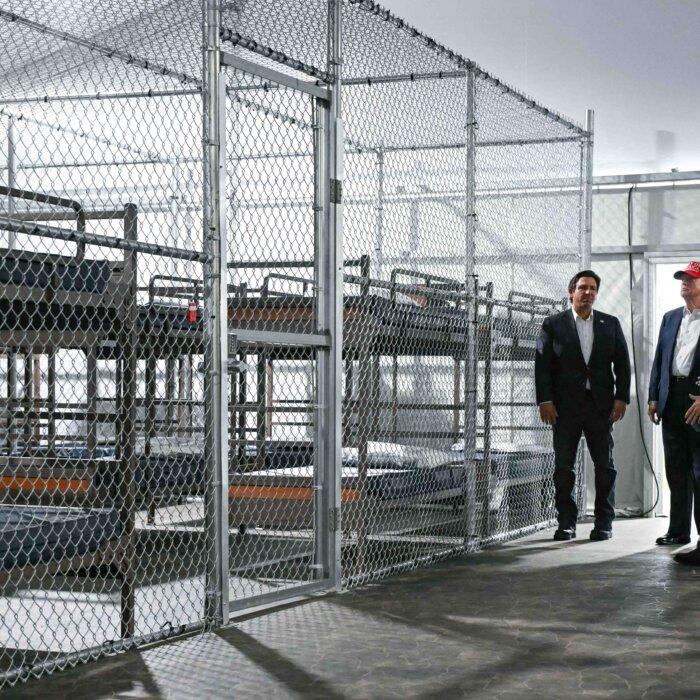
The case marks uncharted waters for the Supreme Court, which has never ruled on how far the International Emergency Economic Powers Act extends.
Another major case could involve justices issuing an opinion that strikes a blow against the federal bureaucracy in Washington.
This specific case of Slaughter v. Trump regards Trump’s ouster of Federal Trade Commissioner Rebecca Slaughter. But the court’s ruling will affect other federal boards and commissions with members appointed by Republican and Democrat presidents.
The members, in theory, operate without political concerns. They serve for a set term until it expires, regardless of whether a new president of a different party assumes office during that term.
A majority of justices seemed inclined to uphold the congressional and legislative maps in Louisiana.
The NAACP and others sued, alleging the new map resulting from the 2020 census violated Section 2 of the federal Voting Rights Act, which bans race-based gerrymandering of districts.
The state had one majority-black district from the 2010 census, but NAACP and others contend that the state’s black population shifted and grew, resulting in the need for a second district.
In 2022, U.S. District Chief Judge Shelly Dick sided with the NAACP and ordered the state to redraw the map with two majority black districts.
If the Supreme Court sides with the Republicans in the case, it would mean candidates can accept funding directly from a political party and also discuss with party officials how to use the funds.
The case emerged in 2022, when plaintiffs, including then-U.S. Senate candidate JD Vance, now vice president, as well as then-Rep. Steve Chabot, R-Ohio, sued the Federal Election Commission. The plaintiffs contend that coordinated expenditure limits violate the First Amendment.