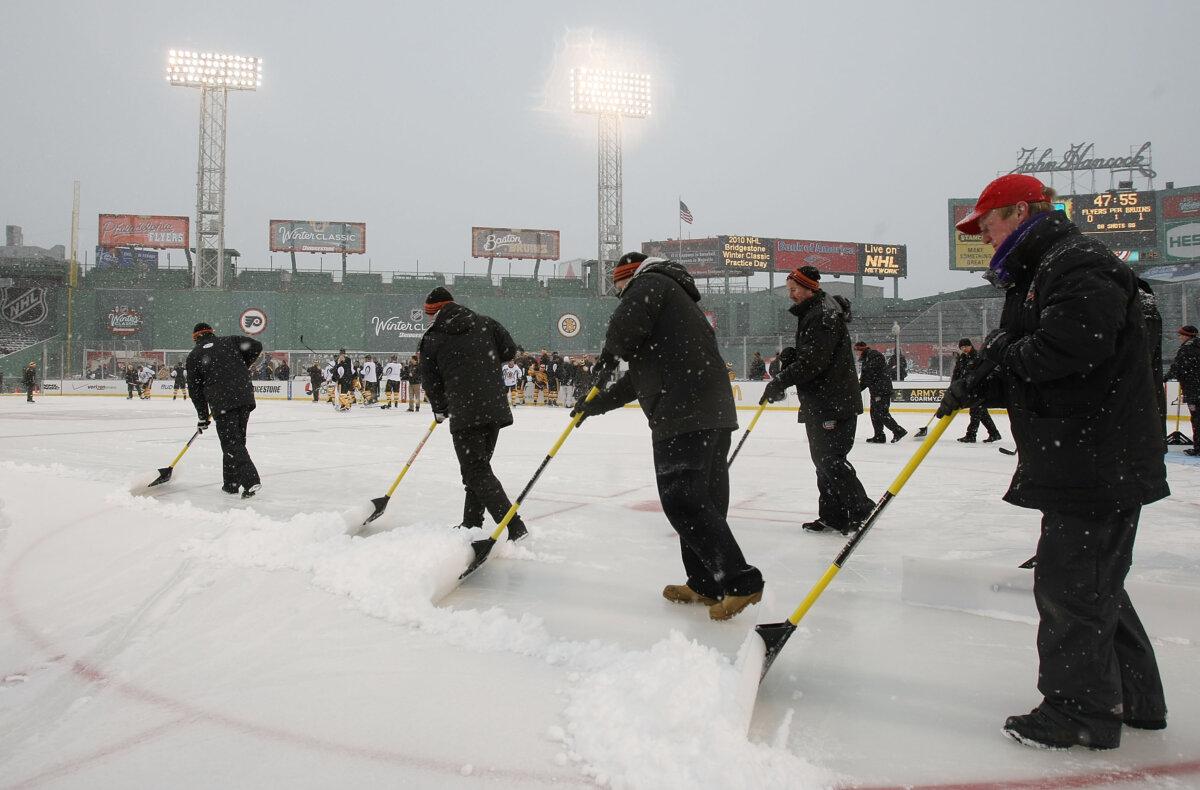
New England winters are brutal, no question. Temperatures outside rarely rise to the point that going out is comfortable or even bearable. The sun is rarely in full force, meaning that people who live here are not getting healthy levels of vitamin D. As a result, sickness is everywhere, with coughs a main sound you hear in all public spaces indoors, while the look on people’s faces approaches being lifeless.
It is a real struggle to stay healthy in such an environment. We do what we can. We hang out at gyms, raid the saunas, watch what we eat, try our best to stay moving, even as we deal with ubiquitous salt, dangerous ice patches, and snow banks everywhere. It’s just the way life is. It will remain this way for months until the gradual change to spring takes effect.
There is, however, one very inspiring feature of New England winter. It comes down to snow removal. It is a marvel to behold. It’s more than a purely technical necessity. It is a civic liturgy born of long experience, assisted by technology, and revealing of man’s indomitable spirit to carry on despite obstacles. Being from the South, I marvel every year at the capacity of New England to triumph over the ice and snow and do so in a highly reliable way.
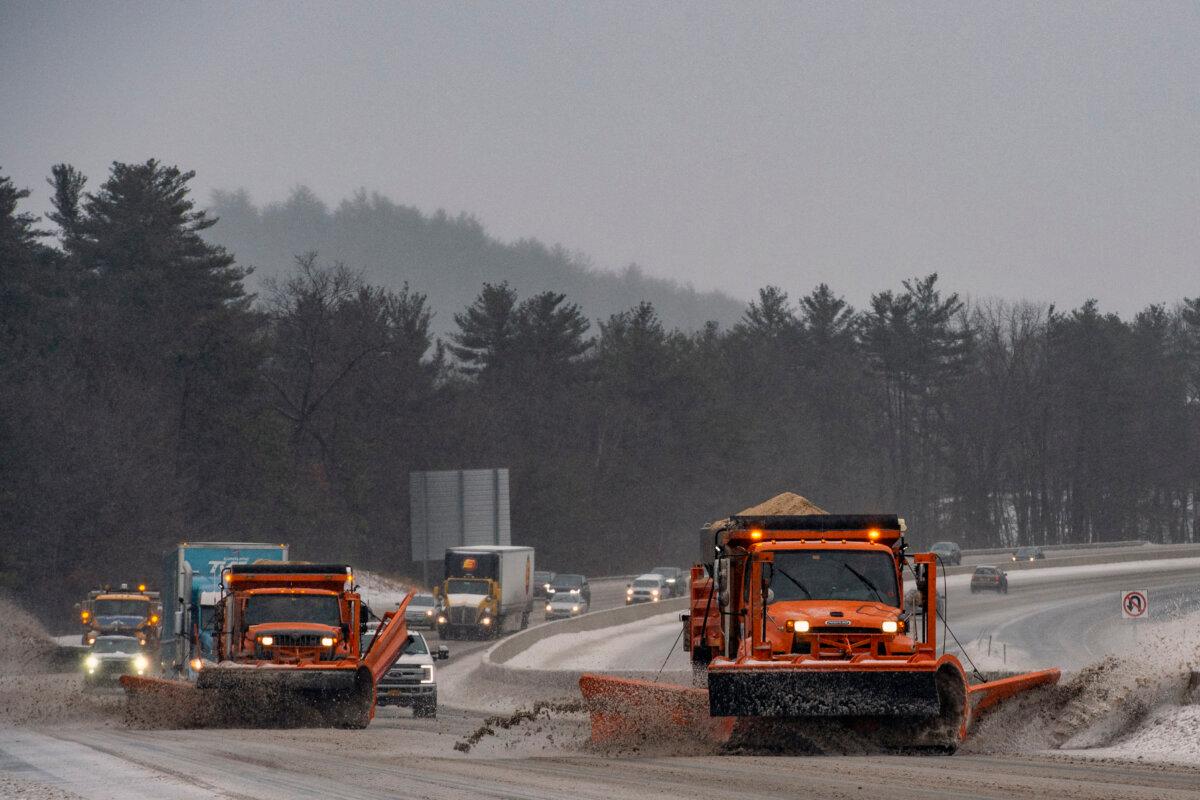
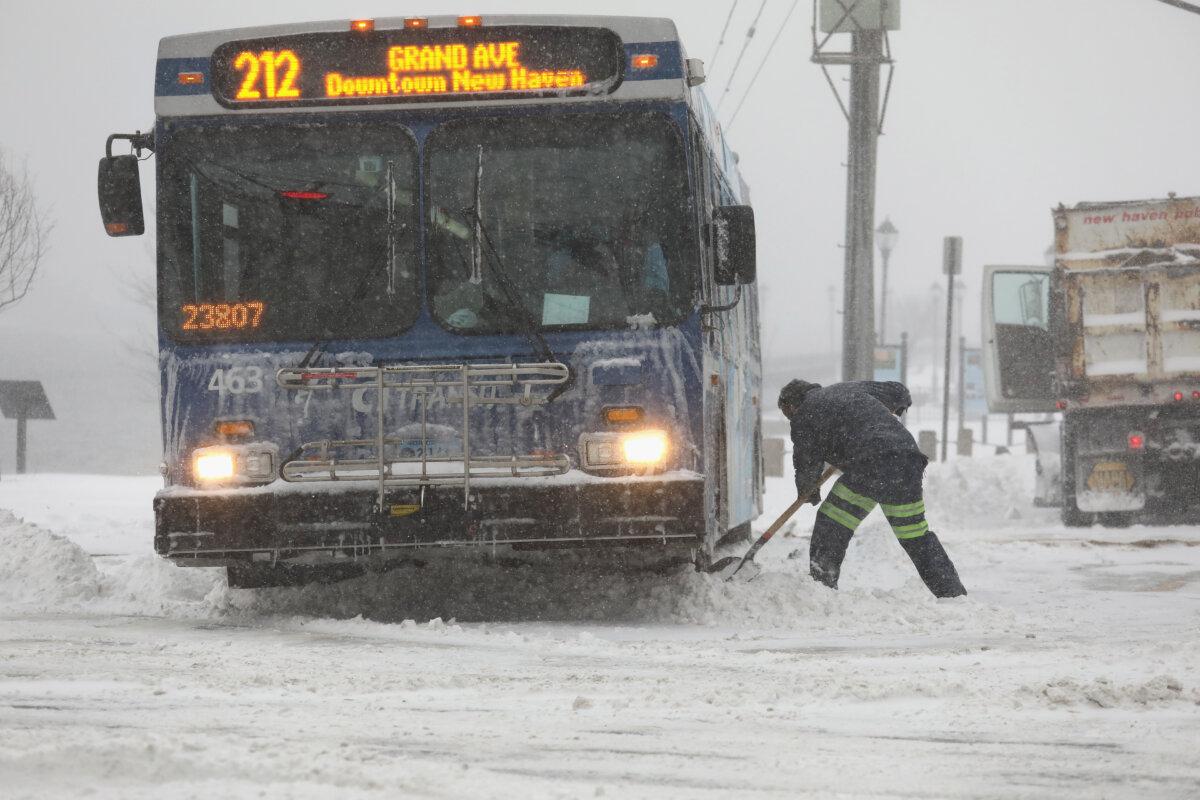
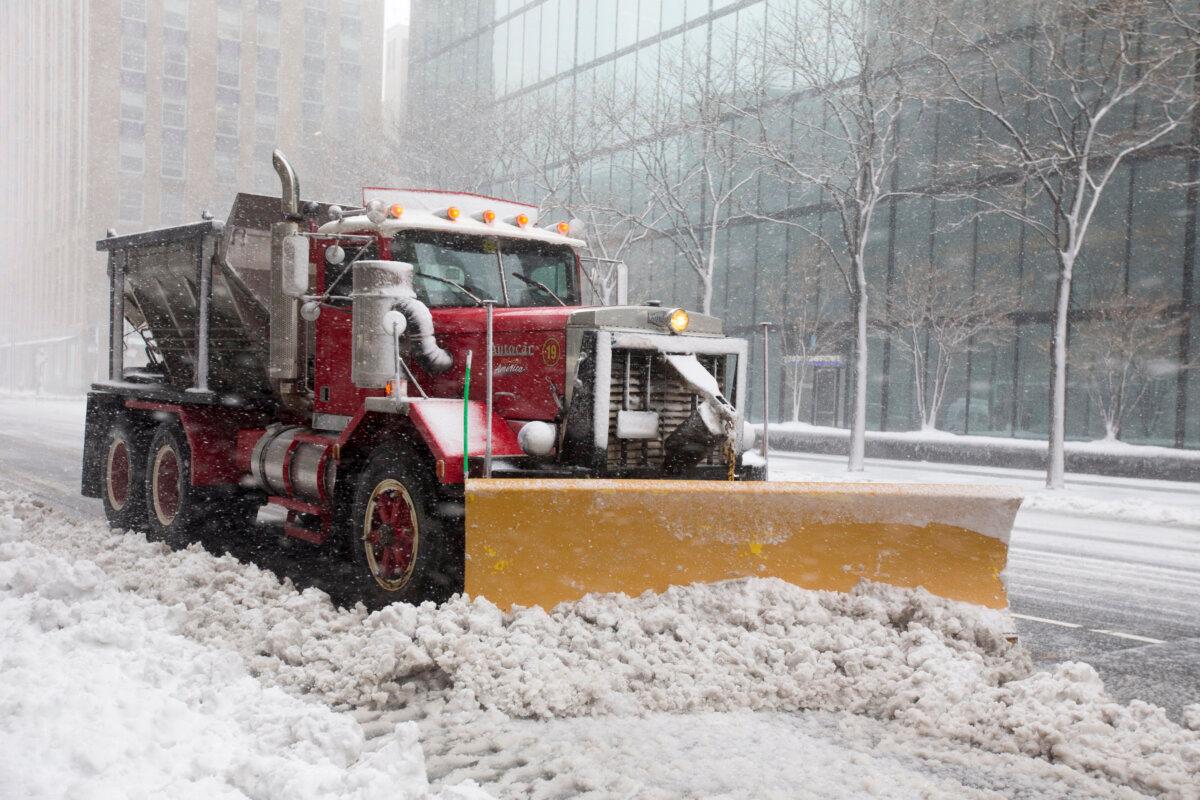
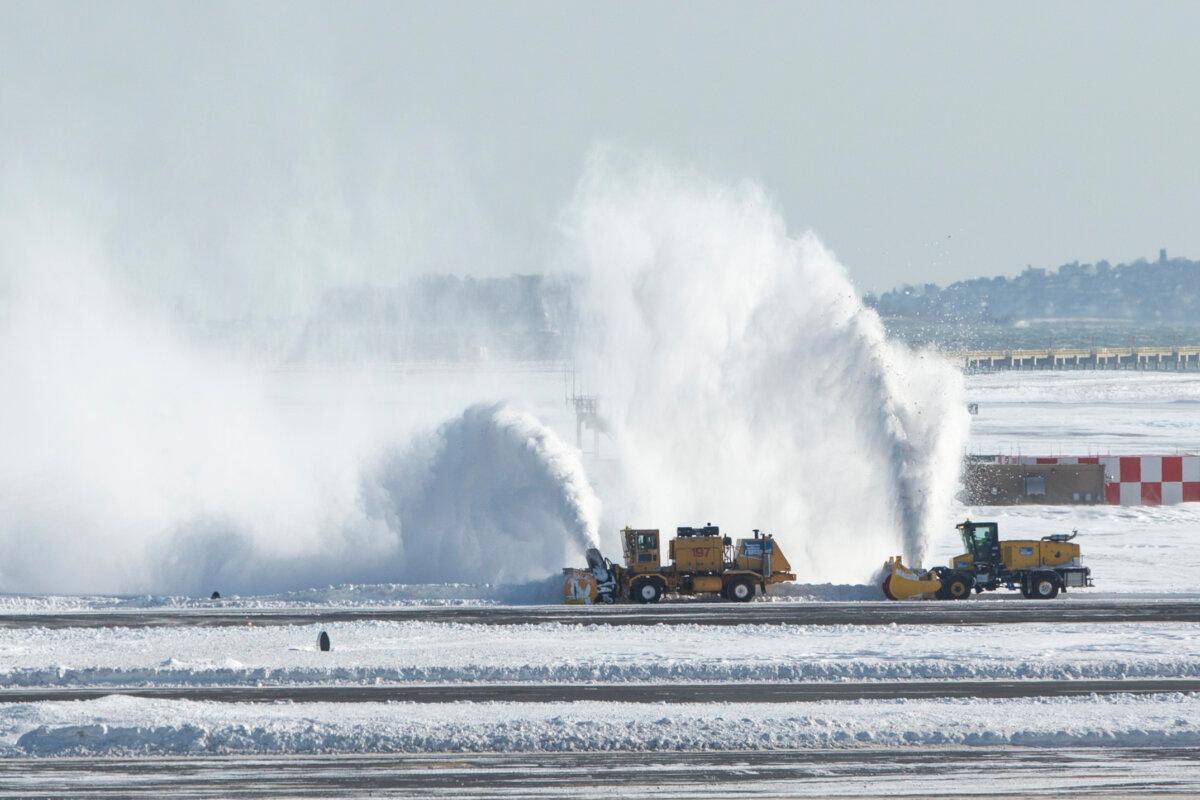
The sounds of the snow plow greet us as the first flakes fall from the sky. It does not matter the hour. The trucks get on the move. There are city services of course. What’s more inspiring are the huge multiplicity of private commercial services and excited volunteers. The trucks are transformed and get on the move everywhere.
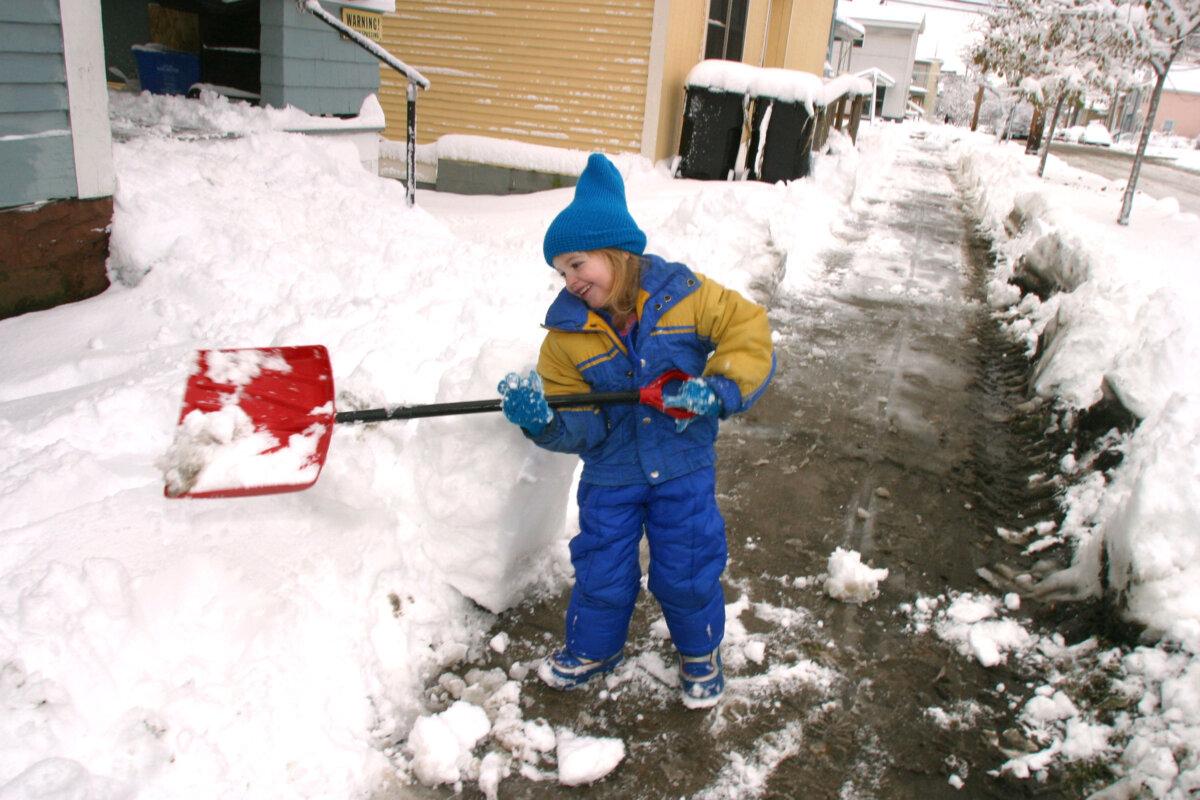
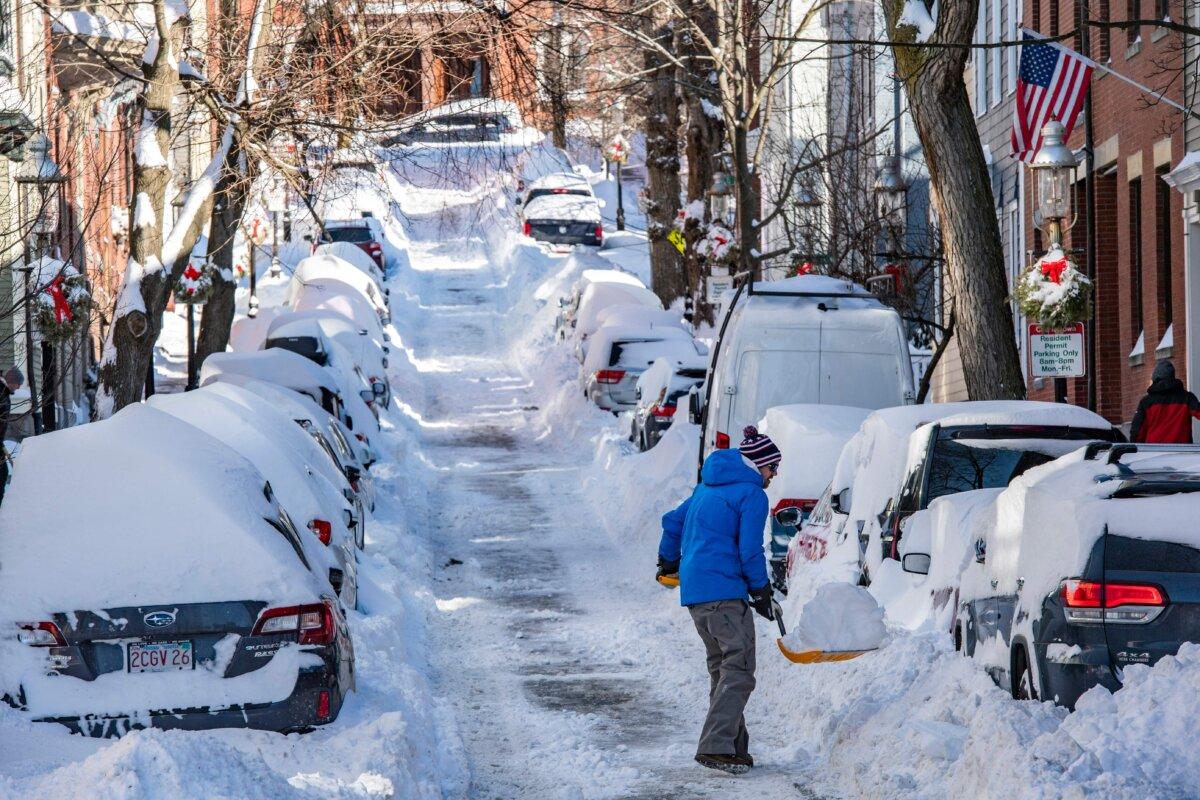
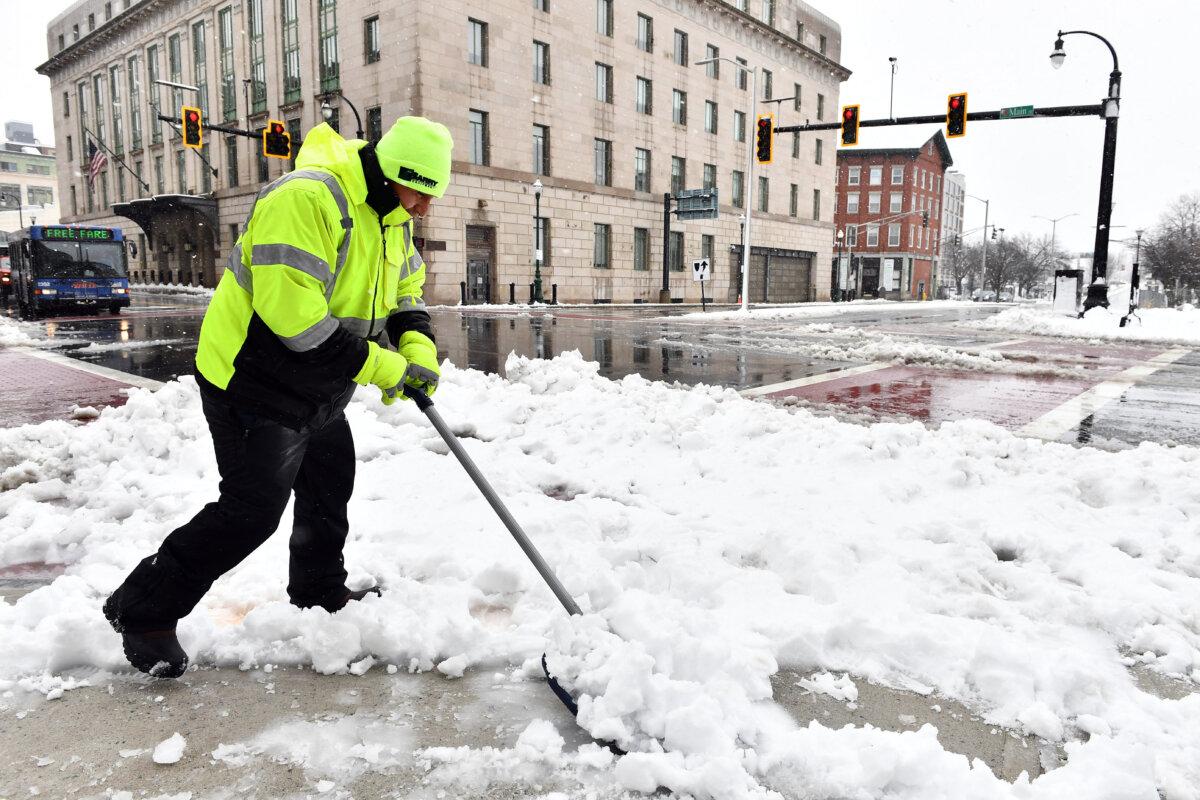
If the first snow happens overnight, it is virtually guaranteed that all main streets will be completely passable by the opening of the business day. This allows everyone to move about as if nothing has happened. Homeowners are out at the crack of dawn with their shovels and snowblowers, while cars parked outside are scraped of ice and made clean with tools that everyone owns.


It’s all a marvelous sight to see. What Southerners would regard as a complete disaster, necessitating stay-at-home orders and generalized panic about food and toilet paper, New Englanders shrug it off as just the way life works. Long experience has taught people here that anything nature presents can be controlled, provided we have the proper tools and plenty of determination.
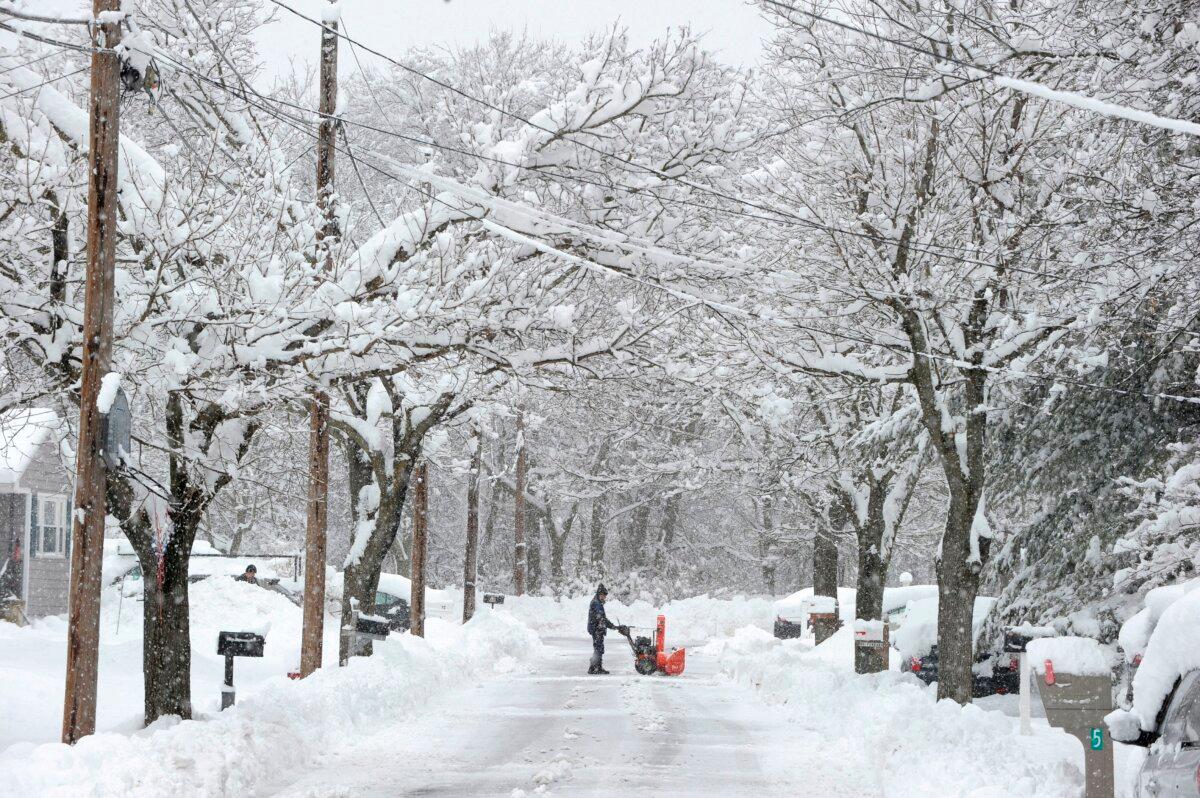
The routines are deeply built into the culture. No one thinks anything of them. Outsiders like me are absolutely amazed. Texans and Floridians would be astonished to see it all unfold, especially in this strangely nonchalant way as if this is just what we do.
And to add a demographic element here, this whole operation is a distinctly manly enterprise. In a society in which ever fewer spaces in life are reserved for male gender advantages, snow removal stands out. It calls forth every virtue most associated with maleness. I’ve wondered if this is one reason the whole enterprise sustains itself with such routine reliability.
Another possible way I can imagine this kind of civic liturgy unfolding is if it is deeply buried in cultural memory. As it turns out, back when my own family lived in New England, there was an experience that seems to have shaped the entire way this area of the country deals with snow.
The event happened in February and March of 1717. It became known as the Great Snow. These were colonial times when population was sparse and everyone depended on everyone else to stay alive. With a sudden snow of 4 and 5 feet, what existed of roads became entirely impassable.
Snow rose up so high that people had to exit their houses from the second floor. Sometimes you could not recognize your neighbor’s house except by the chimney. Many livestock died of course but others got by with grazing from the tops of trees. Legend has it that people actually tunneled to get from place to place. One can only imagine what life was like inside the homes of people trapped by the snow. Talk about economizing on food and candles!
The Great Snow of 1717 was so striking and shocking that not even the legends of the Native Americans living there at the time recorded anything to compare with that.
Such an experience so early in the Colonial American experience apparently burnt within the New England genetic code an indefatigable determination to prepare and to fight back, demonstrating to nature herself that human grit and ingenuity can triumph. Never again would snow stand in the way of the regular stream of life.
As the decades and centuries have passed, the knowledge has been passed down and the technology of snow management has only increased. With weather forecasting, everyone gets ready. Little poles appear on tricky-to-navigate driveways so that even with snow, you can see what’s what. Salt covers the places where people walk. And the plows are affixed to trucks which a season ago were carrying mulch and hauling off dead trees.
By the time the first snowflakes appear, the entire town is ready to go. The action can begin at 4 a.m. or earlier. The machine roars and the sound of steel hitting pavement and asphalt echoes into every home. Then comes the intermittent sound of snow shovels, the operation of which provides much-needed exercise when running or strolling is impossible.
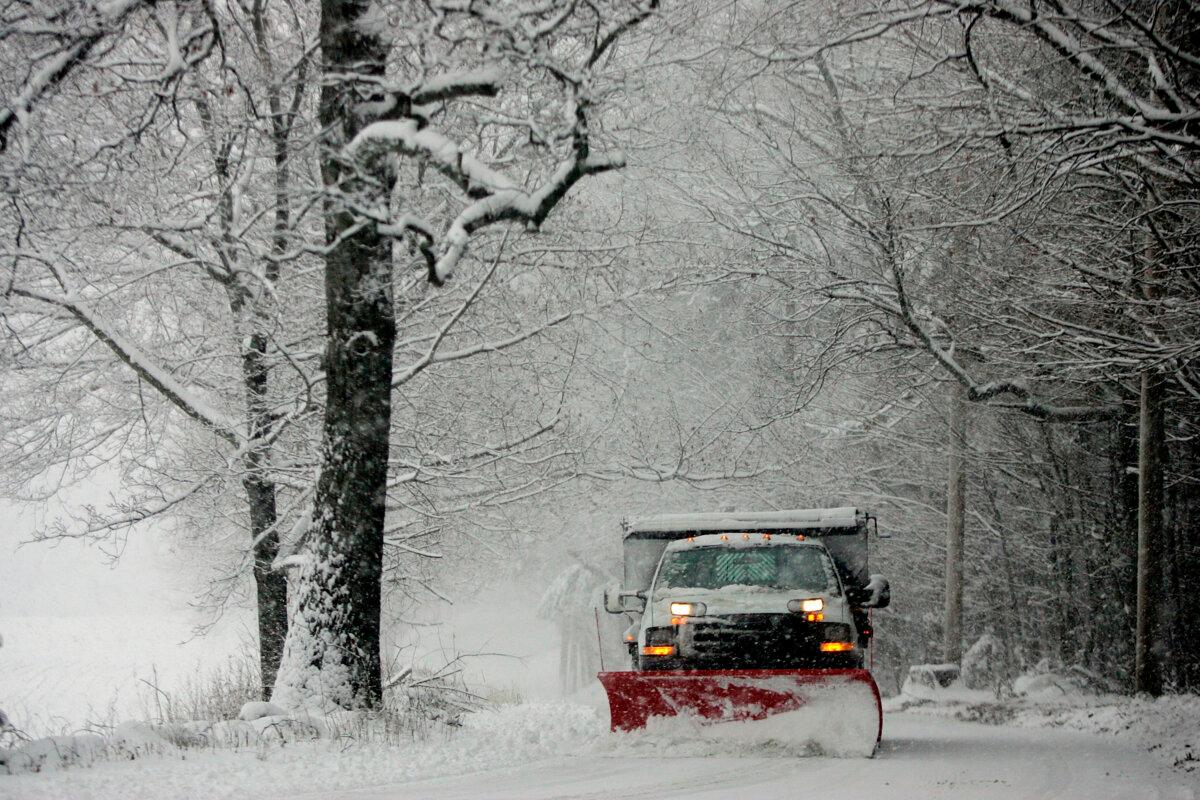
What’s shocking about all of this to an outsider is the complete absence of panic and the display of confidence that there is nothing about which anyone should worry. It’s all under control. Invariably, the humans win the struggle. The roads are drivable and the sidewalks walkable. Apart from the problem of dragging around salt on one’s shoes, life goes on as if nothing has happened.
What’s striking about this incredible ritual is how deeply embedded and fearless it all is. If anyone thinks that these blue states have lost their core character, with populations of snowflakes themselves, he should see this in action. The beautiful combination of brawn, determination, and technological know-how is an inspiring sight that makes you realize how it is that this section of the country gave birth to the spirit of independence itself.
The question I have is why this same spirit is not imported to other aspects of life. No region was more terrified of a pathogen as New England in 2020-2022. The compliance with stay-at-home orders and masking was over the top, and the governments of these states kept students out of classrooms far longer than other places in the country.
The rush to get the jab was palpable. Even after the rest of the country had moved on, New Englanders were lining up for the tests and shots, as if their very lives depended on it. It was a display of cowardice in the face of nature that should have been a source of true embarrassment.
That said, in dealing with the winter snow, the display of manly courage in the face of adversity has no precedent. This region knows snow and has conquered it. Maybe it is the deep cultural memory of 1717 or maybe it is the regularity of the seasonal snowfalls that accounts for it. But there are lessons here for everyone. It is possible to conquer and overcome adversity, even that which would have disabled previous generations.
I’m personally still not adjusted to this weather but that makes me an outlier. Everyone else is so acculturated to blankets of snow, sheets of freezing rain, and treacherous ice everywhere that hardly anyone thinks much about it. That inspires me.