Commentary
The Trump administration is considering options against targets in Iran associated with the regime’s deadly repression of pro-freedom protests. The protests started in late December due to skyrocketing inflation and the high cost of living. They have now spread to 31 provinces. The idea of U.S. action against Iran is good and emboldened the protests in Iran to go a little further over the last couple of days. Many of the protesters are now calling not only for a lower cost of living, but the complete overthrow of the Shia mullahs who control the country.
The mullahs control a theocratic regime that seeks to spread Islam forcefully throughout the region. They fight against Jewish people in Israel and Muslims of other faiths, including Sunni Arabs. But their intolerant authoritarianism is already being weakened. Over 12 days in June, they lost a war against Israel and the United States. In the process, Iran’s nuclear weapons program was set back significantly by long-range U.S. strikes.
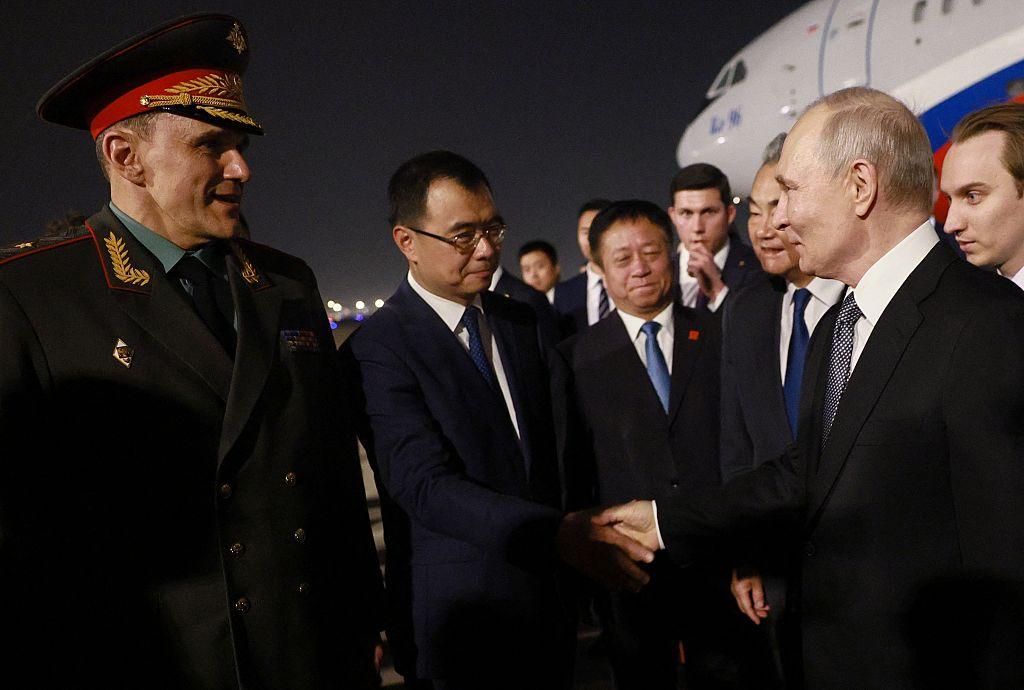
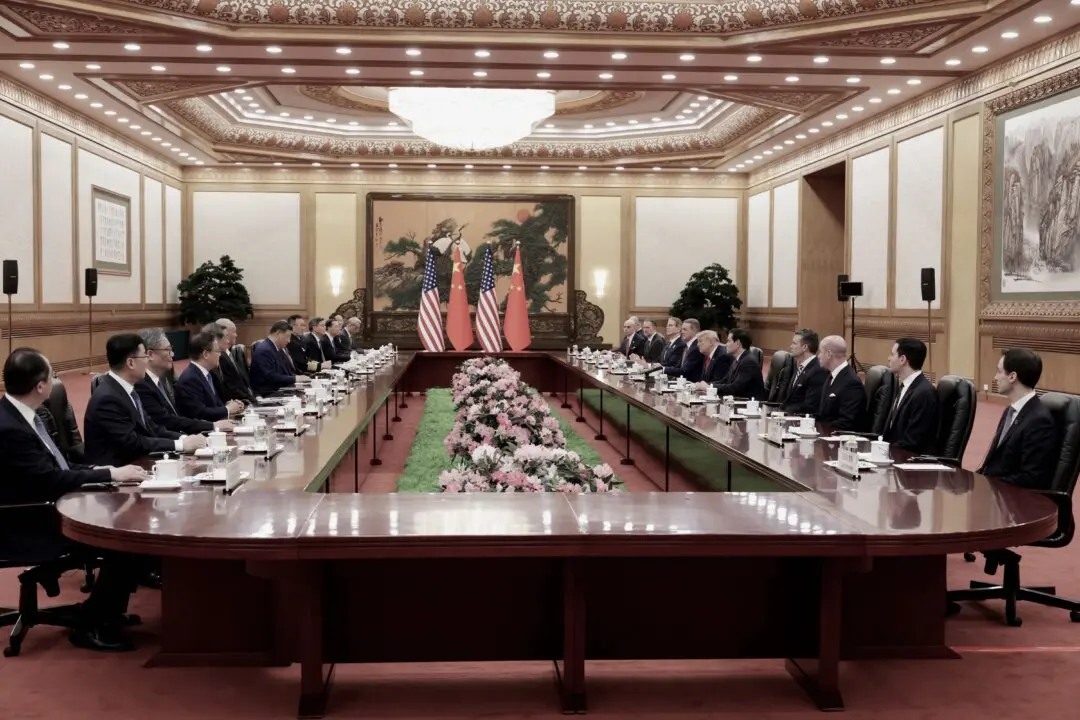
The response from Iran’s supposed allies was next to nothing. Russia and China’s weak response to the capture of Venezuelan leader Nicolás Maduro also indicates that “friendship” between dictators is about as thin as honor among thieves. Iran’s former ally in Syria is gone, and its terrorist proxies, including Hezbollah, Hamas, and the Houthis, were weakened by the war following the 2023 Hamas attack. The Iranian regime is at its weakest in decades, and its overthrow by a democracy movement would be a blow against dictatorship not only in Iran, but in Russia and China.
Some protesters are calling for the return of the Pahlavi dynasty, which ruled Iran from 1925 to 1979, when the Islamic Revolution ushered in the Shia clerics. Reza Pahlavi, the eldest son of the former Shah of Iran, is U.S.-based and has offered to return to Iran and lead the nation through a transition period until elections can be held. On Sunday he said, “My job is to lead this transition to make sure that no stone is left unturned, that in full transparency, people have an opportunity to elect their leaders freely and to decide their own future.”
The root of the crisis is the mullah’s prioritization of military spending and war with Israel over water, electricity, and fiscal responsibility. Combined with U.S. and allied sanctions, this has caused Iran’s currency, the rial, to crash—it has fallen by 60 percent relative to the dollar since June.
The regime is responding to the protests, which started Dec. 28, with increasingly heavy repression, including shots fired at protesters and greater use of the death penalty against dissidents. As of Jan. 11, almost 500 protesters had died, according to a network of human rights organizations. Another 10,000 had been arrested, including over 150 children. The mullahs are also trying other methods to stop the protests, including stopping most electronic communications, including cell phones and the internet. Since Oct. 7, the internet is at just 1 percent of network connectivity, compared to its normal 90-100 percent. Even Starlink has intermittent connectivity.
The regime has promised to address its economic issues and loosen its tough moral laws, but these concessions are likely only temporary. The nature of the regime is such that it will eventually continue to sacrifice the average Iranian citizen to its extremist goals. When the protests die down, the clerics will not be able to control their own extremism. They are simultaneously addicts and pushers of the worst kinds of bigotry.
The Trump administration is carefully considering military options in Iran to ensure that any strikes do not increase support for the regime, or harm U.S. interests. Possible targets include military, commercial, and cyber assets. There are sectors of the regime in Tehran that would retaliate against the United States. Iran’s hardline parliamentary speaker said on Jan. 11, “Let us be clear: In the case of an attack on Iran, the occupied territories [Israel] as well as all U.S. bases and ships will be our legitimate target.” The speaker also threatened preemptive action, saying, “We do not limit ourselves to only reacting after an action has been taken.” Iran has retaliated against U.S. forces based in Iraq before, but it is unlikely that Mr. Trump will take as pacific a response as the United States has in the past. Any further retaliation would likely be met with the full force of the U.S. military.
Current U.S. options include capturing Iran’s Ayatollah Ali Khamenei or hitting the Islamic Revolutionary Guard Corps (IRGC). The Ayatollah lacks democratic legitimacy and the IRGC is a U.S.-designated terrorist organization responsible for much of the worst violence against Israel. Other U.S. options are economic, including strikes on Iranian energy pipelines and the seizure and sale of Iran’s shadow fleet of oil tankers. The United States Coast Guard used this tactic against Venezuela, and it is starting to work.
However it is done, U.S. pressure on Iran should help usher in a new democracy that trades with the world, helps its people develop economically, and invites regional peace. That is a chance worth taking.