



It was Aug. 3, 2014, and I remember sitting in front of the television, watching in horror as the so-called Islamic State swept across Iraq and Syria, ethnically cleansing Yezidis and Christians from every territory it seized. On the screen were haunting images of Sinjar Mountain, where tens of thousands of Yezidis had fled. Now trapped, they were starving and dying of dehydration under the burning sun.
The reports were grim. Helicopters that had tried to bring food and water and evacuate the most vulnerable had crashed, leaving those on the mountain stranded. I knew from my years of experience working in the Middle East and Africa what would happen to these religious minorities. And in that moment, I made a decision: I had to go. I had to help.
Just weeks later, I landed in Erbil, Iraq. Survivors were making their way into the Kurdish region, and I began working to help them. I met women and girls who had escaped unspeakable horrors.
I joined forces with local Yezidi leaders to help recover abducted women and girls. I sat with survivors in the camps as they returned, often after long and painful negotiations. Listening to their stories of brutality, survival, and loss was among the hardest experiences of my career in the humanitarian sector.
During that time, I met a true hero of the Yezidi people, Mirza Dinnayi, the man behind the helicopter rescue missions I had seen on TV, the very images that sparked my decision to go to Iraq. We worked side by side in the Iraqi refugee camps of Dohuk and beyond, helping as many as we could. Later, he would be honored with the Aurora Prize for Awakening Humanity, and the organization I founded, Shai Fund, became one of the prize’s grantees. It was a full-circle moment of purpose and recognition—not for us, but for the survivors.
But our work wasn’t only in the camps. We also fought for the world to name the atrocity for what it was: genocide.
In March 2015, the U.S. House passed a resolution recognizing ISIS’s crimes as genocide, and a formal declaration was made the next year by Secretary of State John Kerry. In June 2016, the U.N. Commission of Inquiry concluded that ISIS had committed genocide against the Yezidis. The European and UK Parliaments soon followed. Recognition came slowly, but it mattered. It opened the path to justice, reparations, and remembrance.
This year, as we mark the 11th anniversary of that horrific day, we remember the survivors and the thousands who never returned.
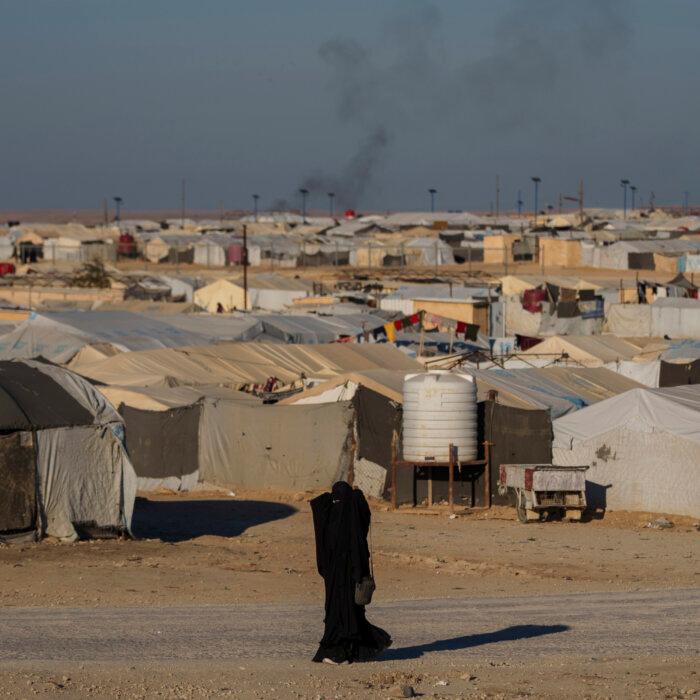
As each year commemorating the genocide passes, little has changed in reality for the Yezidi community. Thousands live in refugee camps across Iraq, unable to return home to the still destroyed Sinjar district.
There is more work for the international community to do in supporting Yezidis as they heal and rebuild from the atrocities committed against them simply because of their faith.
We must ask ourselves: Are the policies we promote in the Middle East and beyond policies that truly defend religious freedom for everyone, everywhere, all the time?
The Yezidi genocide reminds us that evil thrives when good people do nothing. But it also proves that hope lives on when courage steps in.