A few years ago, nuclear power looked doomed.
Plants were shutting down.
Former New York Gov. Andrew Cuomo won applause bragging about closing a nuclear plant “14 years ahead of schedule.”
Rothrock has met with presidents, trying to persuade them to embrace nuclear power, but “nothing was ever addressed.”
Until now.
President Donald Trump ordered the Nuclear Regulatory Commission (NRC) to speed up licensing of new plants.
Sen. Sheldon Whitehouse (D-R.I.) called that a “flagrant disregard for nuclear safety.”
“Not conducive to nuclear safety,” complained Sen. Adam Schiff (D-Calif.).
“They’re afraid of something that they don’t need to be afraid of,” says Rothrock.
We don’t? What about that meltdown at Three Mile Island?
“The result ... should be the abandonment of nuclear power!” said a widely quoted “analyst.”
It was the usual media hysteria.
“Nobody was hurt!” Rothrock points out.
It didn’t matter. Media still called nuclear energy an “unacceptable risk.”
Then there was another accident in Fukushima, Japan.
People did die there, but not from radiation. Not one. People died because the government’s required evacuation disrupted their medical care.
But my media colleagues, as usual, made radiation the villain. Nuclear power was set back further.
People in France are OK with that, but in most of the rest of the world, anti-nuclear protesters persuaded people to be frightened about “radiation leaks.”
Just flying in a plane exposes you to it. So does living in Denver.
“Thirty times the safety standard!” says Rothrock.
People who use that beach don’t get more cancer. Our bodies can handle low levels of radiation.
“Wind stops blowing sometimes. ... You need a lot of land for solar and wind. Throw in all those costs and it’s pretty darn expensive.”
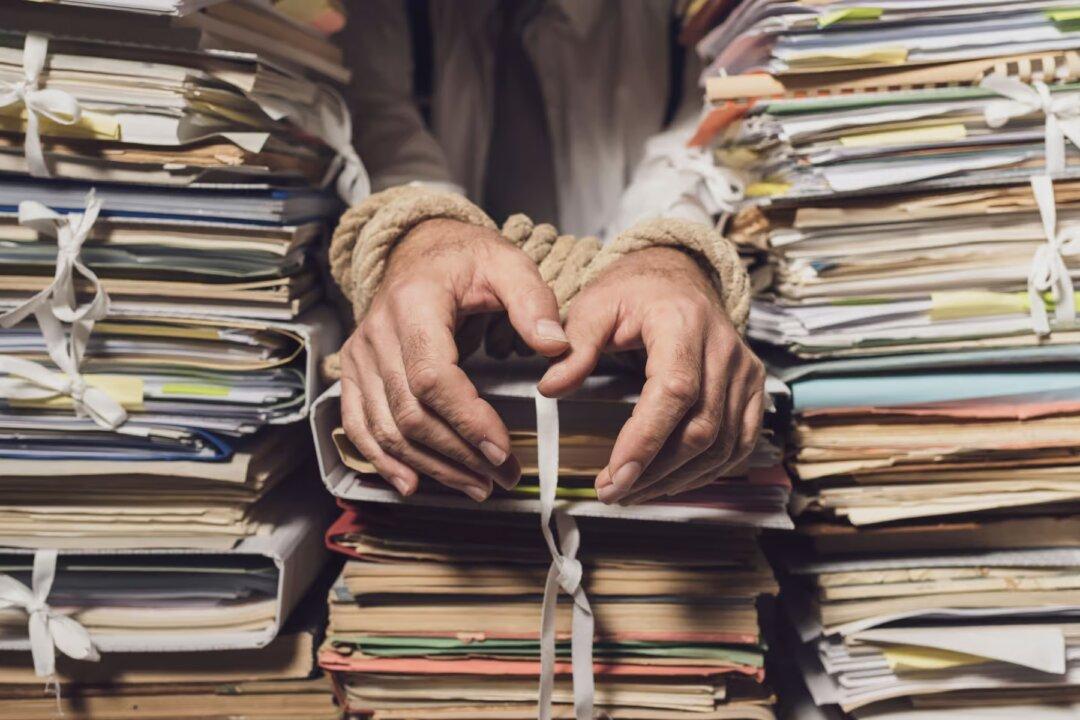
In America, new nuclear plants are pretty darn expensive, too. But that’s mainly because of the NRC’s cumbersome rules.
“‘Thou shall do it this way,’” complains Rothrock. “‘Thou all shall have that. Thou shall have this.’ The regulators said, ‘If it takes a 3-foot, 6-inch wall to protect from the radiation ... why don’t you make it 4? Better still, why don’t you make it 10?’”
Regulators rarely adjust rules to account for new technology.
The NRC required plants to be covered by a dome. But some new reactors, says Rothrock, are “not pressurized! There’s no need for a dome. But the rules say you have to build a dome!”
Just to get approval for a new plant “got to be five, six, seven years. Then people stopped completely. For literally 30 years, the NRC has not seen a new reactor proposal.”
Only now have the rules been changed, and for the first time in 10 years, a new reactor has been approved.
So protestors shout: “This nuclear nightmare is back! ... You can have a full-blown reactor core meltdown!”
This time, they are losing.
Eighteen reactors have had operating licenses extended. Many new reactors are in development.
Private entrepreneurs are making better fuels and reactors that are easier to install.
If bureaucrats get out of the way, we should soon have cheap, clean energy.