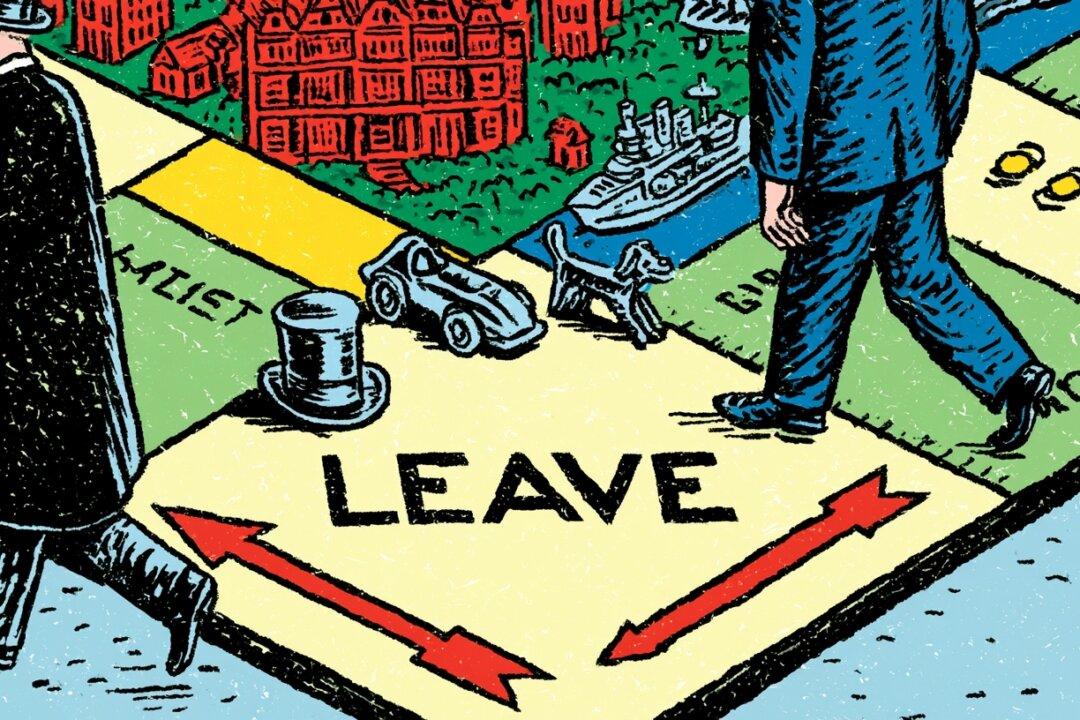
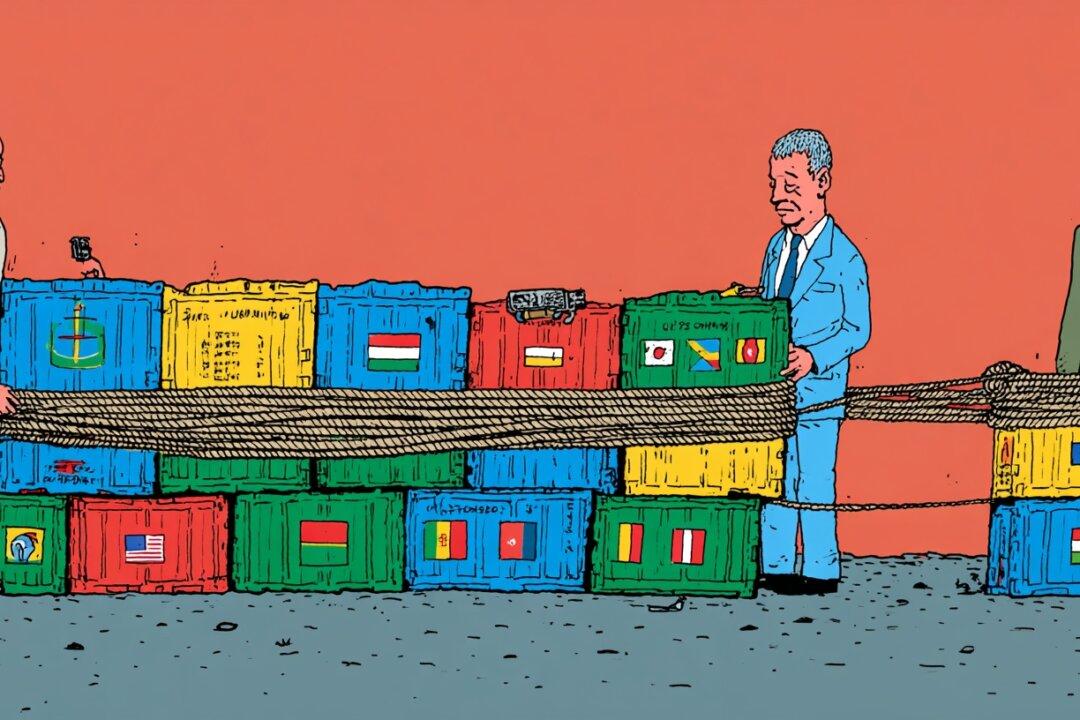
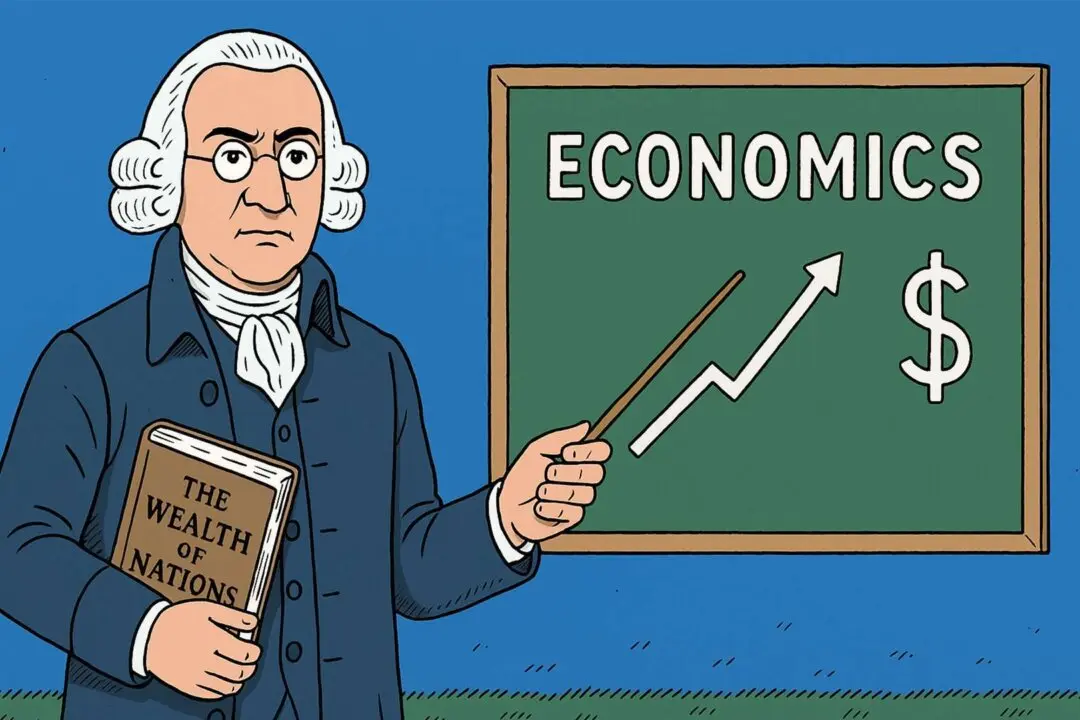
If someone asked me what the most dangerous economic ideology is, many would expect an Austrian to give a typical answer: Marxism, socialism, or Modern Monetary Theory. Yet I believe there is another way of thinking that is even more pervasive. It is not a coherent body of ideas like those ideologies. Rather, it is a sentiment so widespread and socially accepted that it threatens not merely economic freedom, but our very understanding of progress itself. I call it “nostalgia economics.”
This is nostalgia economics in action. A global celebrity whose music can be streamed instantly on another continent, who earns income through digital platforms, and whose career depends on modern communications and services, criticizes the very service economy that makes his success possible.
A person in thrall to nostalgia economics will take the blessings of progress for granted while romanticizing a past that never truly existed. Imagine living in the world of Charles Dickens: you would not have had access to a typewriter for much of your life, if at all, since it was only commercialized in the late 19th century. More importantly, you would not have had access to electricity. The conveniences we now consider basic would have been unimaginable luxuries.
“In 1895 the novelist Henry James acquired electric lighting; in 1896 he rode a bicycle; in 1897 he wrote on a typewriter; in 1898 he saw a cinematograph. Within very few years, he could have had a Freudian analysis, travelled in an aircraft, understood the principles of the jet-engine or even of space-travel.”
Had Sting been alive in 1890, a world tour would have looked very different. A journey from London to New York would have taken more than a week rather than a few hours. International audiences, instant communication, and global entertainment markets would have been beyond imagination.
The glorification of manual labor is one of the most overrated ideas in modern political discourse. This tendency is not confined to the left. Ambitions to revive manufacturing employment through government policy often draw on the same nostalgic impulse. But what exactly are we trying to return to?
Perhaps literature offers a more honest answer than politics. Oscar Wilde observed that “all unintellectual labour, all monotonous, dull labour” involved unpleasant conditions. He went even further, commenting that “there is nothing necessarily dignified about manual labour at all, and most of it is absolutely degrading.”
The same mistake occurs in economics. We imagine that the comforts of modern life existed in the past, minus the anxieties of the present. We recall a perceived community of earlier eras while forgetting the poverty, danger, and limitations that accompanied it. Human beings seem naturally inclined to recall the best aspects of the past and focus on the threats of the present. This tendency helps explain much of the hostility toward markets.
“The practices by which the great commercial centres had become rich were shown to enable the individual to do much more good and to serve much greater needs than if he let himself be guided by the observed needs and capacities of his neighbours.”
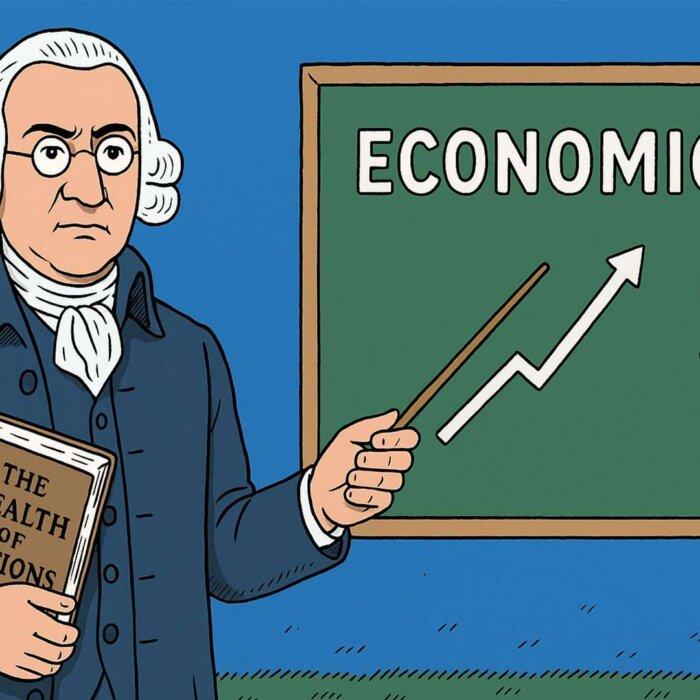
The market order makes what Adam Smith called the “Great Society” possible. Through prices and the division of labor, individuals cooperate with countless others whom they have never met and probably will never meet. Prosperity emerges not because anyone planned it, but because millions of people respond to signals that coordinate their activities.
The tension is that our brains evolved for and within small, face-to-face communities, while modern prosperity depends on participation in a vast and impersonal market order—what Roger Scruton called a “society of strangers.” We are naturally drawn toward the world we can see and understand directly, even when that world was poorer, less healthy, and offered fewer opportunities.
The irony, of course, is that those who actually worked in mines, mills, and factories often welcomed the opportunity to leave them. The movement from rural to urban areas is an example of that. Yet many of the loudest critics of the service economy are people whose prosperity—even their capacity to criticize it in the first place—depends entirely upon it.
Nostalgia economics invites us to look backward. The market economy, by contrast, is the engine that has enabled humanity to move forward. The greatest danger is not that we fail to appreciate the past, but that we romanticize it so much that we forget how much progress has already been achieved.