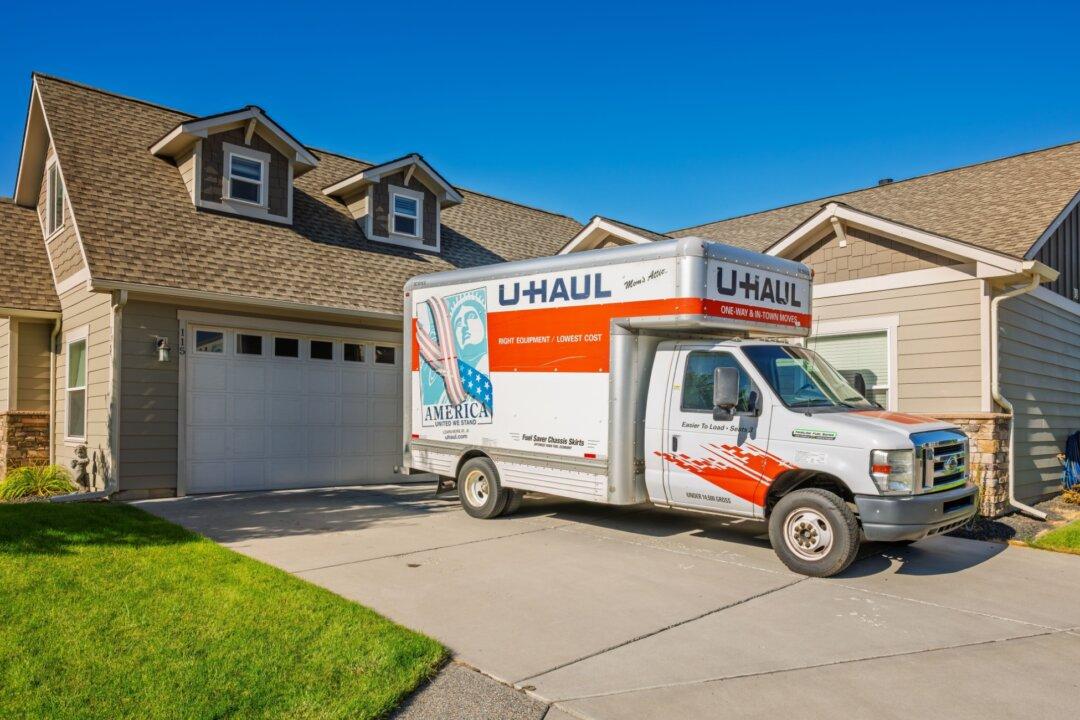
Do you sell cupcakes, run a home photography studio, or tutor kids in your living room? If so, you might be breaking the law.
In the United States, zoning ordinances often treat modest home enterprises as threats to the neighborhood. If you’re just running an online business, local governments generally won’t bother you, but if clients are coming to your home, then they try to limit the visibility and impact of your business. Have these regulations gone too far? Should state governments tell local governments to leave home-based businesses alone, within certain limits?
And it’s not just fledgling tech startups. In residential neighborhoods across America, home-based businesses are the hidden sinews of resilient local economies, from the mom who takes care of several neighborhood kids while their parents work to the independent tax accountant hanging out his shingle. From the Russian immigrant baking and selling honey cakes to those in the know to a group of families that started a micro-school during the COVID-19 pandemic.


Other finicky regulations include requirements to build more parking (56 towns) or prohibitions on building more parking (14 towns); requirements subjecting home businesses to site plan review, which comes with a public hearing and potentially costly requirements to run tests and studies (89 towns); and strict limits on the square footage a resident may use for running a business (22 towns set limits at 600 square feet or less).
What would happen if we relaxed the rules on home-based businesses?
Still, much of the United States is extremely safe, and it just isn’t plausible that making it easy to start a home day care is going to spawn a neighborhood crime wave. Reasonable limits make sense for home businesses that bring in lots of vehicle traffic, create lots of noise, or attract an undesirable clientele, but if we set aside these problematic uses, why not let people offer more services and sell more stuff out of their home?
Indeed, local governments are more competent at regulating commercial uses than homebuilding. Local governments over-regulate housing because they capture only part of the benefits of new local housing while paying the full costs. New property tax revenues and more up-to-date housing stock do benefit a locality, but the benefits of lower housing costs, lower homelessness, and stronger business conditions from new supply accrue to a larger region.
By contrast, localities reap the lion’s share of the benefit of allowing new business, including more employment opportunities, higher property tax revenues, and more convenience and amenities for residents. So we should expect local governments to treat commercial uses better than they do dense residential uses, and that’s generally what they do.
Even so, localities often err on the side of overregulation. Local officials lack the information, the incentives, and the flexibility that market prices provide. They can’t know what services people really want, public hearings amplify anti-change voices, and getting variances is too costly for the average homeowner.
Thus, state legislatures can play a useful role in using their legal and administrative expertise to carve out safe harbors for low-impact uses that local officials may have not even considered.
Could states also require or encourage localities to allow entrepreneurs to do business at home in other ways? States have the expertise and capacity to help local governments figure out opportunities to ease the burdens on small-scale entrepreneurship, without turning residential neighborhoods into central business districts. Just ask Bill Gates or Steve Jobs. America’s garages could be launching pads for global enterprise if we have the vision to let them.