



In the darkness of Charlie Kirk’s assassination, where are we to find light? Perhaps in the fact that so many people, from so many different perspectives, are urgently asking that question. It is clearly not where we want to be, and by we I don’t just mean my tribe.
This glimmer brightened slightly when, in one of those coincidences that was nothing of the sort, I then encountered this G.K. Chesterton quotation:
“The muddle is not merely due to the sin of anger; that is, to people losing their tempers with each other. It is also due to the sin of sloth; to people not taking the trouble to listen to each other, or take note of what each other really says. My first point, therefore, is that sloth, intellectual sloth, as well as mere emotional anger, is a great modern foe to charity.”
He spoke these words in 1933 about a superficially different “muddle” during another dark decade featuring intense ideological polarization. But when someone’s advice a century or more old illuminates a current problem, it surely indicates sagacity.

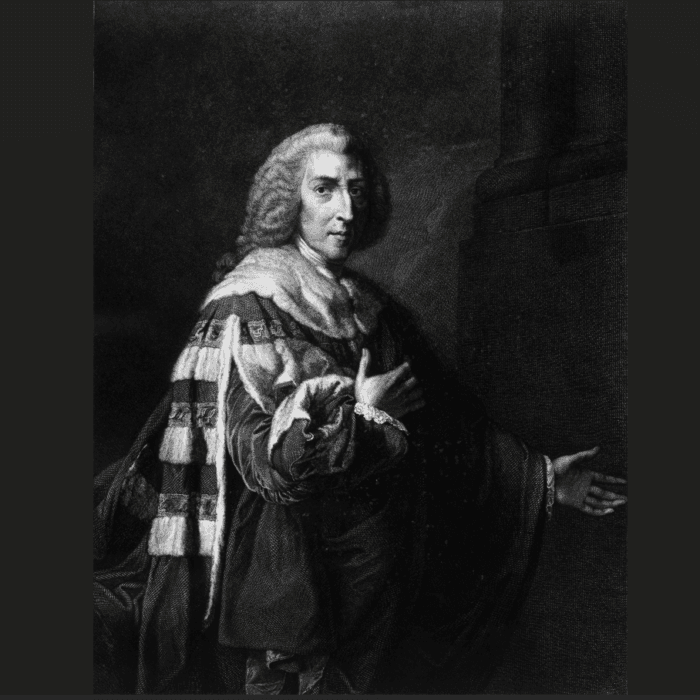
In his youth he believed in a naïve Ayn Rand-like objectivity, an epistemology where his own opinions were so obviously right that anyone raising objections must be a dunce, a villain, or both. And this attitude is painfully widespread and obnoxiously expressed today.
When Lukacs matured sufficiently to appreciate that ideas different from his own had their own internal consistency, he slid into radical relativism. But when he matured further and realized it cannot be true that nothing is true, he concluded that “it is possible … for any thinking man to present evidences, from a proper employment of sources, that are contrary to his prejudices, or to his politics, or indeed to the inclinations of his mind” without ceasing to think at all, or to reach firm, important, valid conclusions.
Semi-fortuitously, I was concurrently reading a former hostage negotiator’s book, “Never Split the Difference,” that also stressed empathy. But not, again obviously, to end up sympathizing with the methods or goals of hostage-takers. Rather, understanding what took them to that dark place was key to getting them back without anyone getting shot.
When Lukacs accused so-called conservative proponents of progress of “a bellowing optimism that is imbecile rather than naïve,” he was not offering to split the difference any more than I would with Wilson on race, or those who would destroy Western civilization and Israel. But I want them to see the error of their ways and repudiate them, not expire horribly in a pool of their own blood while I dance a jig.
As Whittaker Chambers wrote in his autobiography “Witness,” in exposing Stalinist espionage within the U.S. government, he went so far as to perjure himself to protect communist ex-comrades because he himself had wandered so long in the dark that he recoiled from doing anything that would keep others from finding their way back to the light.
So before we speak or act, let us all ponder whether we’re really trying to rescue others lost in darkness dangerous to themselves and others.


