In a culture that seems increasingly eager to diminish or dismiss masculinity—to label it “toxic” rather than essential—the past few weeks in Texas have been a stark reminder of the truth.
Here, in the wake of devastating floods, I’ve witnessed something our modern world rarely honors anymore: men stepping up to do what men were made to do.
For more than two weeks now, men of all ages—retired military, active duty, linemen, farm workers, men in recovery, men who’ve found Jesus, teenagers fresh out of high school, and men nearing 70—have been out there without complaint, without glory, without hesitation. Chainsaws in hand, clearing brush. Hauling debris. Operating Bobcats and boats. Rebuilding fence lines. Helping to restore power. Searching, with quiet reverence, through rubble and riverbanks for the missing—nearly 150 people still unaccounted for.
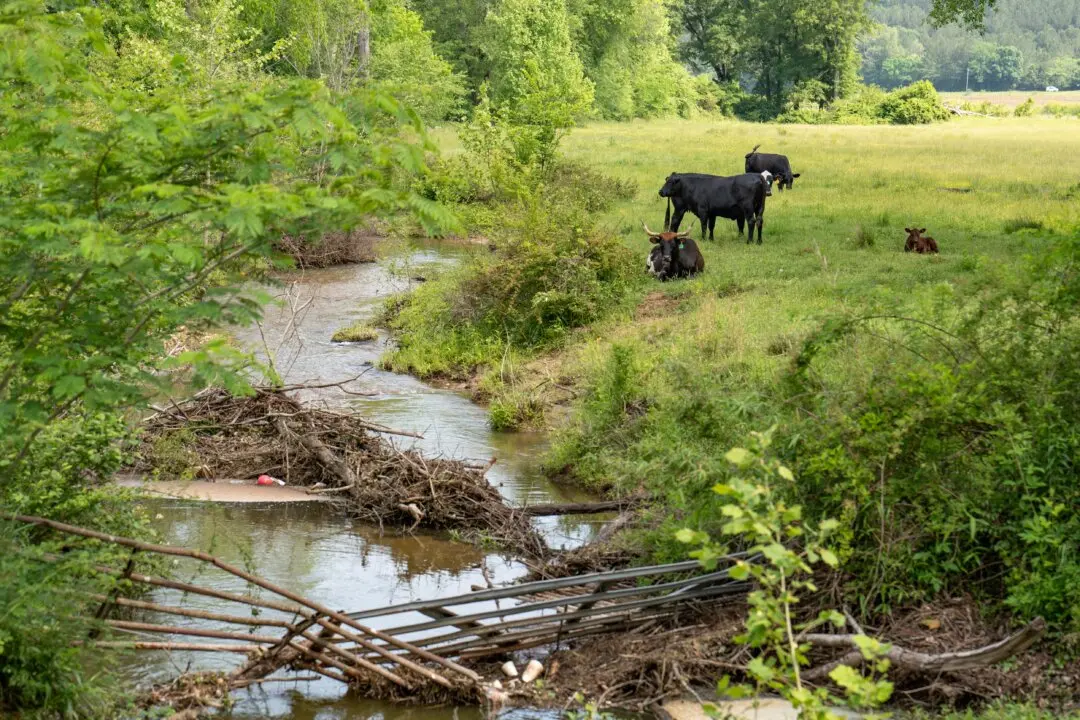
Up and down more than 120 miles of the Guadalupe River, small groups of men are out each day, working their own stretch of devastation. They work together as part of a larger whole—neighbors, veterans, tradesmen, volunteers—each group taking responsibility for their piece of this massive tragedy. They move methodically through the wreckage, while the smell of the river and of death grows stronger in the air and in the wind. These men are tirelessly, quietly, doing the sacred work of trying to bring closure to families who wait and weep. Because those 150 missing souls each belong to someone—a mother, a brother, a spouse, a friend—who deserves to know what happened.
Yes, of course, there are women on the front lines too. I’ve seen women down at the river with crowbars and chainsaws, driving heavy equipment, working alongside the men with search dogs and grit. But the vast majority of the women in these communities are contributing in other essential ways, and the work that we are doing is equally heroic. We are organizing clinics, managing logistics, setting up outreach for community support, running distribution hubs, cooking meals, tracking volunteers, creating housing lists, going door to door to ask what people need, hugging the brokenhearted, and holding hands with the grieving.

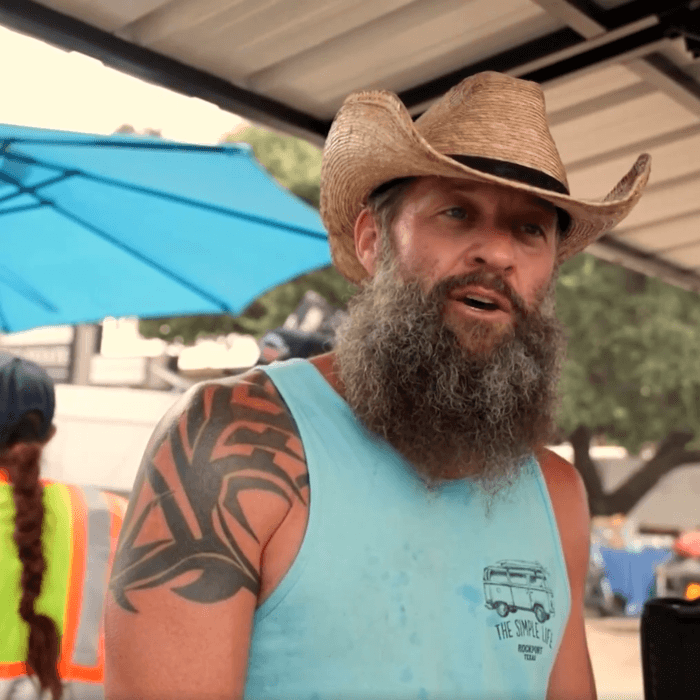
The masculine and the feminine are working together—distinct in their roles but equally essential in their impact.
I spent many years trying to prove that I could work as hard as a man. I went back to work just four days after having children. Looking back, I have to ask myself: What was I trying to prove? That I could keep up with men? That I could push through like them? What was I trying to prove—that I could work just as hard as a man while still bleeding from childbirth? The thing is, men cannot give birth. My strength is different. Not less than, just different. I would have been better served—my body would have been better served—if I had honored the feminine in that moment. Letting myself heal. Letting myself be cared for.
I spent years in the restaurant industry pushing myself to keep up with men—lifting as much, working as long, taking on the same physical burdens. But the truth is, what I can do and how I can contribute are different. Even though I have traits people might describe as “masculine”—drive, grit, strength—I now see clearly that we live in a society that encourages women to act like men—and men to soften in return.
It’s good to be here now, in a small town in the Texas Hill Country, watching the masculine and feminine in harmony, each doing what they were made to do. Supporting one another. Balancing one another. Neither diminished. Both honored.
But let’s be honest. When disaster strikes, when there’s danger, when there’s hard, physical, relentless work to do, it is overwhelmingly men who show up and say: “What’s needed? I’ll do it.”
We’ve spent years tearing down masculinity in this country. Dismissing it. Mocking it. Calling it dangerous or outdated. But in times like these, when chaos reigns and survival is on the line, I don’t want to be surrounded by theory or politics. I want to be surrounded by men. Men who know how to work. Men who know how to protect. Men who see it as their duty, not an option, to step in.
What I’ve seen these past weeks in Kerr County and up and down the Guadalupe River is proof that masculinity is not toxic. It is needed, beautiful, and honorable.
These men aren’t doing it for recognition. They’re doing it because that’s what men do when they’re allowed, encouraged, and respected in their natural role: protector, provider, problem-solver.
But it doesn’t happen by accident. We have to make space for this in our culture. We have to encourage men to step into their masculinity with confidence, not shame. We cannot manage or diminish them through media, through our stories, or through the way we speak about them in our daily lives. We must honor the role of men, so that young boys grow up feeling empowered, not ridiculed, to step into the role of protector and provider. So they grow up knowing that their strength, their leadership, and their courage are welcome and needed.
If we want strong, capable, selfless men tomorrow, we have to stop undermining them today. We must speak honor over them, respect their contributions, and model for our children that masculinity, rightly lived, is a blessing to families, to communities, and to the world.
The world is better, stronger, and safer when men are free to show up as men.
And to the men showing up here, every day, without complaint: We see you. We thank you. We honor you.