This copy is for your personal, non-commercial use only. Distribution and use of this material are governed by our Subscriber Agreement and by copyright law. For non-personal use or to order multiple copies, please contact The Epoch Times Reprints.
In the early morning of July 4, a flash flood emergency was issued for Austin and San Antonio by the National Weather Service (NWS) in Texas. According to the NWS, a flash flood emergency is “exceedingly rare” and is only used when “there is a severe threat to human life and catastrophic damage.”
Less than two hours later, the Guadalupe River rose from 7.67 feet to 29 feet. The flash flood happened quickly. Homes in Kerr County, the most severely affected area, were completely submerged in water. As of this writing, at least 82 people are confirmed dead, including dozens of adults and children.
This is not the first time that Texas has suffered tragic consequences from rapidly rising waters. During a 2015 Memorial Day tragedy, 13 people died and 400 homes were destroyed. In 1987, the Guadalupe River rose to 29 feet, killing 10 teenagers in a bus. In fact, Texas’s Hill Country is exceedingly vulnerable to floods. It has steep rolling terrain with thin drought-affected soil over limestone, which amplifies flood surges. Hill Country is known as “Flash Flood Alley” because it floods so much.
Heartbreaking stories of the present-day calamity continue to emerge. Among the dead were two second-graders from Highland Park, described as “best friends.” Two sisters, 13 and 11 years old, perished in the floods. A high school soccer coach and his wife died, too, along with so many others.
At Camp Mystic, a children’s sleepaway camp, 27 have been confirmed dead, including campers as well as counselors and the camp director, who reportedly died trying to save the lives of the children. Camp Mystic was an unbelievable tragedy. The camp, at the time of the flooding, hosted approximately 750 campers and was located along the Guadalupe River in Hunt, Texas. The cabins that the victims were in were located less than 500 feet from the Guadalupe River bank, and most were sleeping in their cabins when the floodwater struck at about 3 a.m. A tragic and shocking way to die.
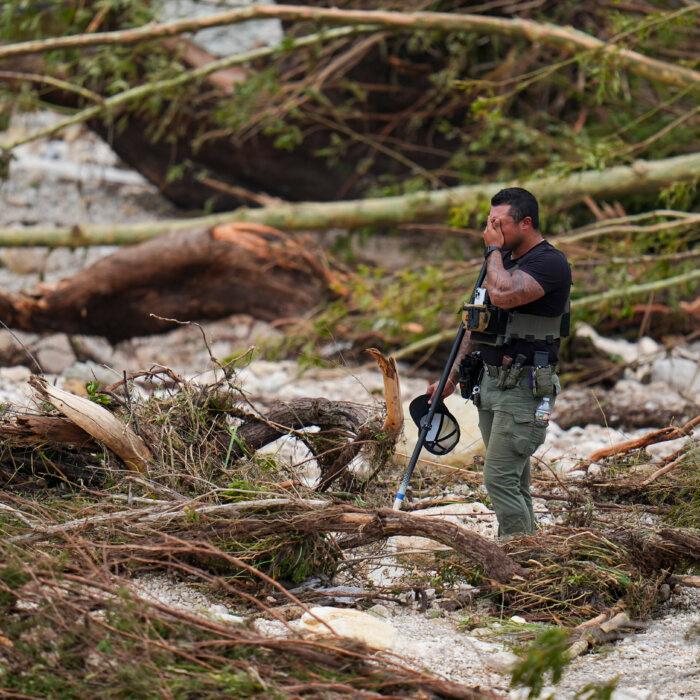
The response to the flooding has been what you would expect following such a massive tragedy. More than 1,000 personnel are currently involved in search and rescue operations, with more than 400 first responders from 20 agencies in Kerr County alone. In addition, more than 100 vehicles and K9 units are actively searching, and the search area has expanded to include other counties as well. Of the 850 people rescued or evacuated, more than 150 were rescued by helicopter.
Unfortunately, this tragedy, while certainly unavoidable, could have been mitigated. Kerr County’s first emergency alert didn’t occur until just hours before the flooding occurred. In fact, many residents reported receiving phone alerts hours after the flooding had already happened. And, of course, rural areas that lacked cellphone service were unable to receive communications. And seven years ago, flood warning sirens were considered in Kerr County but were not implemented because of budget constraints. According to Kerr County Judge Rob Kelly, who is the county’s top elected official, “the public reeled at the cost.”
Incredibly, just hours from the flooding sits a facility that manufactures HESCO flood barriers. These barricades, which are built in Texas and are typically deployed across the continental U.S. in times of need, sat at the ready and could have saved lives. For decades, these proven defenses have been used to stop the horrific impacts of hurricanes and floods.
Despite the monumental nature of the challenge, Texans bravely stepped up by rescuing neighbors, comforting strangers, and showing the world what true grit looks like. In the face of bureaucratic failures, the heart and tenacity of Texans never wavered.
Texas Gov. Greg Abbott immediately declared a disaster for more than 20 counties and designated July 6 as a day of prayer for flood victims. President Trump has promised robust federal aid and indicated that he plans to visit Texas on July 11.
Preparedness for acts of God is of paramount importance for any state or locality. No cost is too great to protect Americans. If there is a lesson to be learned from this, it is that actively monitoring severe weather patterns and implementing early warning systems saves lives. And you simply cannot put a price on that.
Views expressed in this article are opinions of the author and do not necessarily reflect the views of The Epoch Times.