



Turn on the news, scroll through social media, or glance at the headlines, and the picture can feel overwhelming: wars abroad, political fights at home, and tragedies that seem to strike daily. We’re bombarded with stories of anger, loss, and uncertainty. It’s no wonder that many people feel powerless, as though these problems are too big and too far gone for ordinary citizens to make any difference.
Yet history, and everyday life, tell us something different. The truth is, meaningful change rarely begins at a global scale or within the halls of power. More often, it begins quietly, at a household level, when ordinary people decide to act. A phone call, a meal delivered, or a timely conversation may never make national news, but these moments can ripple outward in ways that change lives for good.
I learned this the hard way during my decades as an undercover narcotics officer in the District of Columbia. My job was to investigate drug operations and bring criminals to justice. On paper, every arrest looked like a success. But after years on the job, I began to realize that arrests alone weren’t changing the deeper problems. Broken families, poverty, and addiction didn’t vanish when one person went to jail. Whole communities still lived with fear and instability.

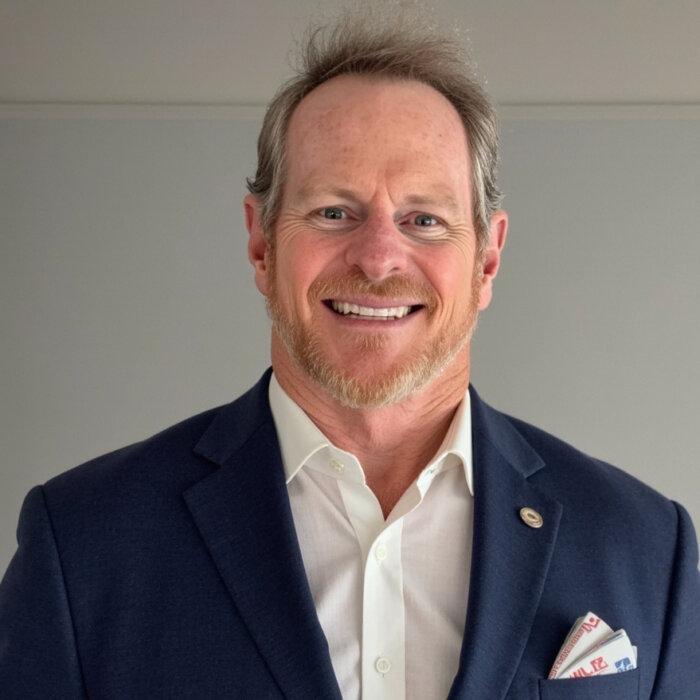
I’ve learned that this transformation often begins not with punishment but with the presence of people who choose to show up when others are in crisis.
But presence only makes an impact if it’s met with urgency. When someone is brave enough to reach out for help, time matters. If they are met with silence or endless delays, trust evaporates. But if the response is immediate, it sends a message: “You matter, and we will not let you carry this alone.”
Our communities are more diverse than ever, which only broadens the opportunities to serve. In the District of Columbia, I’ve witnessed this first-hand through my organization Boost Others, a nonprofit that helps fill the gaps in communities.
Families such as this one each carry unique burdens, but beneath the surface, their needs are remarkably similar: someone who will hear them, respond with urgency, and be willing to stand in the gap.
This is where opportunities lie for all of us. You don’t need to run a nonprofit or work in law enforcement to make a difference. You don’t even need to solve every problem. What you can do is take notice. Check in on a neighbor. Offer to give a ride to a medical appointment. Step in when a coworker quietly mentions a financial struggle. Often, the best solutions are simple, and the most powerful impact comes from consistency.
It’s tempting to think that only sweeping policy changes or massive charitable donations will fix what’s broken in our world. But that thinking can paralyze us into doing nothing. The reality is that communities thrive when ordinary people take small steps, again and again. One person can’t solve global chaos, but one person can prevent a family from falling through the cracks. And when enough people adopt that mindset, the collective effect is greater than anything we can imagine.