



It has been three months since an assassin’s bullet took the life of conservative commentator Charlie Kirk. Most days, I still cannot believe that he is actually gone.
The shocking loss of Kirk has left many of us reeling—not only because we lost one of the leading voices in the conservative youth movement but also because of what it signals about the erosion of civil discourse and the moral confusion gripping American society.
Kirk died doing what universities were originally entrusted to protect: fostering open dialogue and advancing values rooted in faith, family, and civic responsibility. His presence on college campuses often stirred debate, but his mission was simple: reintroducing moral clarity into spaces increasingly hesitant to host it.
His death comes at a time of reckoning for higher education. Across the country, many colleges—private and public alike—struggle to define their identity, mission, and values in a world increasingly hostile to ideological diversity.
Institutions once founded with clear moral and civic purposes are now drifting off course, more focused on optics, politics, or placation than on the formative work of developing young minds and character.
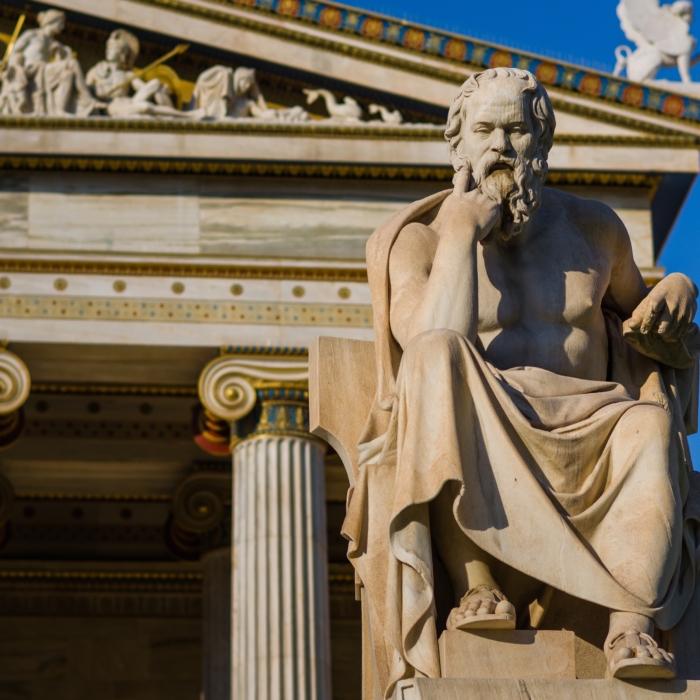
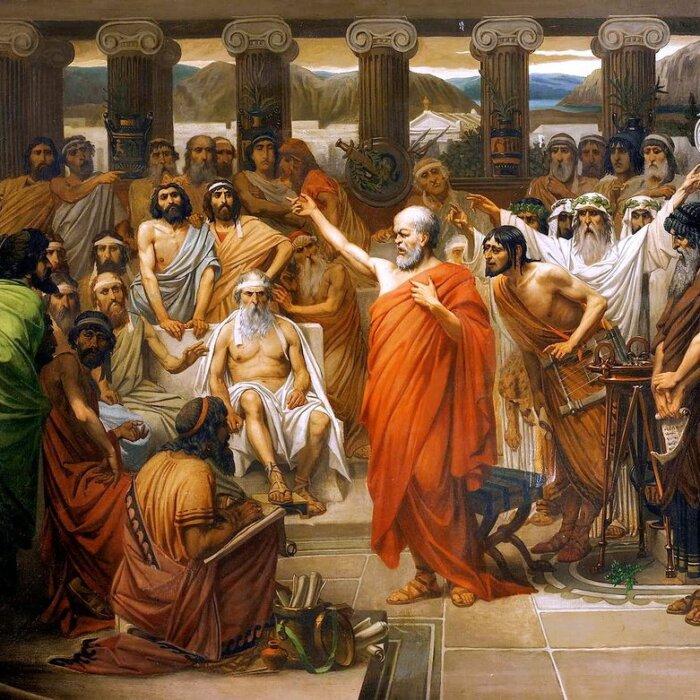
The question becomes this: What anchors a university in such times?
For a growing number of education leaders and concerned alumni, the answer lies in recentering colleges on a set of enduring core values: cornerstones that guide decision-making and culture and that help attract and retain students who seek a classical education focused on logical reasoning and moral clarity.
Take my alma mater, High Point University in North Carolina. At a time when many colleges are struggling to define what they stand for, High Point has doubled down on a holistic, values-driven approach that prioritizes God, family, and country. One that blends academic excellence with real-world life skills and personal growth.
It’s not just about earning a degree; it’s about becoming the kind of person who knows how to lead, serve, and live with purpose.
From day one, students are immersed in an inspiring environment emphasizing gratitude, resilience, personal responsibility, and service. These aspects are interwoven into coursework, leadership programs, campus life, and faculty development.
High Point is just one of many. Other private universities such as Liberty University and Hillsdale College are mirroring its efforts to provide students with the tools, resources, and moral guidance necessary to be engaged citizens.
Even some public universities such as Auburn University in Alabama are embracing the bedrock principles on which these universities were established.
This intentionality does not have to come at the expense of academic quality or graduate success, and no school is immune from radical ideas or the need to make necessary improvements to become even better beacons of free speech and classical education.
When applying to colleges, students and their parents seek more than lectures and virtue signaling; they want to know what their education stands for and the value of their degree.
Kirk’s desire to reach college students through civil dialogue was a direct appeal for universities to rediscover this original purpose, serving as open forums for debate, exploration, and moral inquiry.
He was unafraid to challenge the status quo or push students into uncomfortable positions. Ultimately, he gave his life trying to revive the intellectual and moral engagement that higher education was meant to protect.
Kirk’s desire to engage in civil discourse and target college students was ultimately a plea for universities to embrace classical teaching foundations and reclaim their role as spaces for learning, exploration, and free expression.
His assassination makes it painfully clear what is lost when those spaces break down.
As colleges and universities try to find their footing in an increasingly evolving environment, now is the time to return to what higher education was always meant to do: challenge minds, shape character, and prepare students for the world as it will be.