The new law, which takes effect in September 2026, euphemistically describes assisted suicide as “medical aid in dying care”—a pretense that prescribed poisonous overdoses are somehow equivalent to administering healing treatments. Give me a break. The point of “care” is, well, care. The point of assisted suicide is immediate death.
So why do I insist on using “assisted suicide” instead of “medical aid in dying?” Because this issue is too important and too much is at stake to fall for propagandistic word engineering.
The term assisted suicide is both accurate and descriptive. “Suicide” means to take one’s own life. “Assisted” means to have help in performing an action, in this case, intentionally becoming dead. In other words, it describes what was done, not why.
In contrast, “medical aid in dying”—or MAID as it is usually called—is euphemistic and intended to deflect from the reality of what advocates seek to normalize. Ditto calling poisonous overdoses prescribed for suicide “medication,” which these laws always do. How can we have a meaningful debate when one side hides behind terms that are designed to lull people into a dangerous complacency?
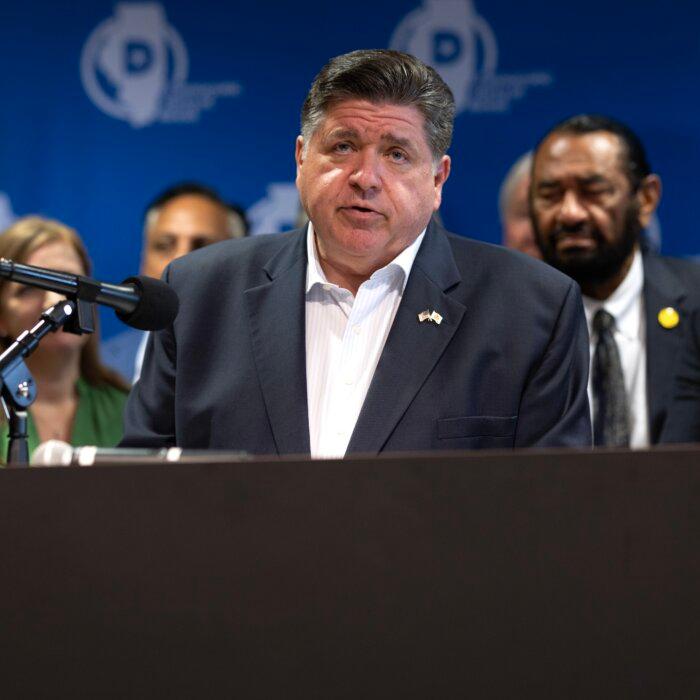
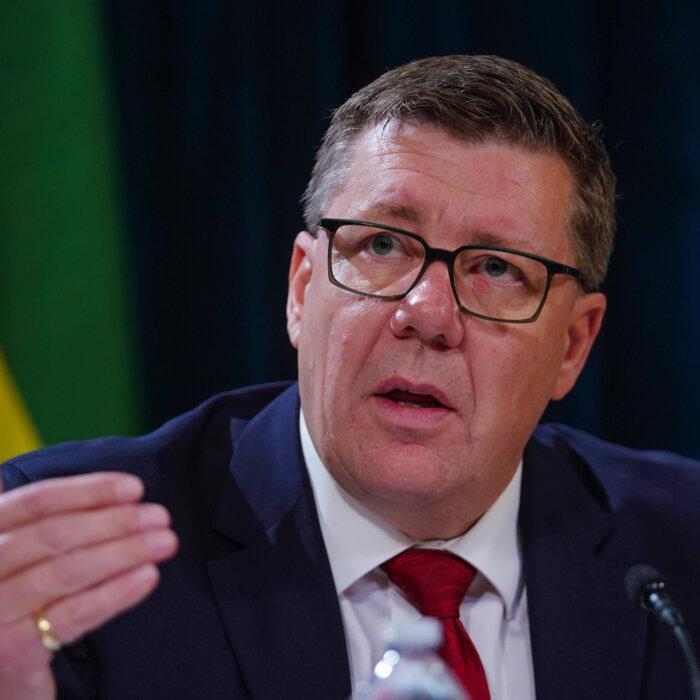
But complacency is a luxury we cannot afford. The issue of whether killing—because that is what we are talking about—is an acceptable answer to suffering could not be more crucial, particularly to the well-being of people who are seriously ill or disabled. After all, the consequences of such “care” are final and irrevocable.
But if people are terminally ill, Wesley, what difference does it make?
A lot. Dying is a stage of living. Terminally ill patients deserve suicide prevention just as much as anyone else. What does it say about our dismissive attitude toward them when they receive suicide facilitation instead? That’s not compassion, it’s abandonment—particularly in an era in which good palliative care can alleviate most major symptoms.
Besides, the danger of legalizing assisted suicide extends far beyond the terminally ill, about whom the Illinois and similar laws in other U.S. states currently apply. Why do I say currently? Because legalizing assisted suicide for the terminally ill is a launching pad for an ever-expanding regime of suicide enablement. Indeed, once hastened death is legalized and accepted by the general public, the legal limitations that advocates claim will protect the vulnerable are quickly redefined as “barriers” to a good death—and the push is on for the law to be applied beyond the dying, as happened in Canada, where people with disabilities and the chronically ill can now be put to death by doctors.
Assisted suicide advocacy is certainly not the only factor in our worsening suicide crisis. Clearly, more investigations are needed, but these observations are, to say the least, great cause for concern.
This much is clear. Illustrated by the new Illinois law (and similar passed legislation awaiting the signature of the governor of New York) Western society has become pro-some suicides. Sure, we still energetically seek to prevent youth and veteran suicides, and the media assists in those efforts. But at the same time, the media, popular culture, and the law promote assisted suicide as a means of “dying on one’s own terms.”
In all of this, I am reminded of the prophetic lament by Canadian journalist Andrew Coyne written more than 20 years ago. Reacting to his country’s strong public support for a father who murdered his disabled daughter as a supposed act of compassion, Coyne wrote: “A society that believes in nothing can offer no argument even against death. A culture that has lost its faith in life cannot comprehend why it should be endured.”