Iran’s swelling floating oil stockpile is the evidence of a deeper problem. The country has become an unreliable, opaque, and politically fragile supplier whose barrels are increasingly treated as distressed cargoes rather than a dependable energy supply.
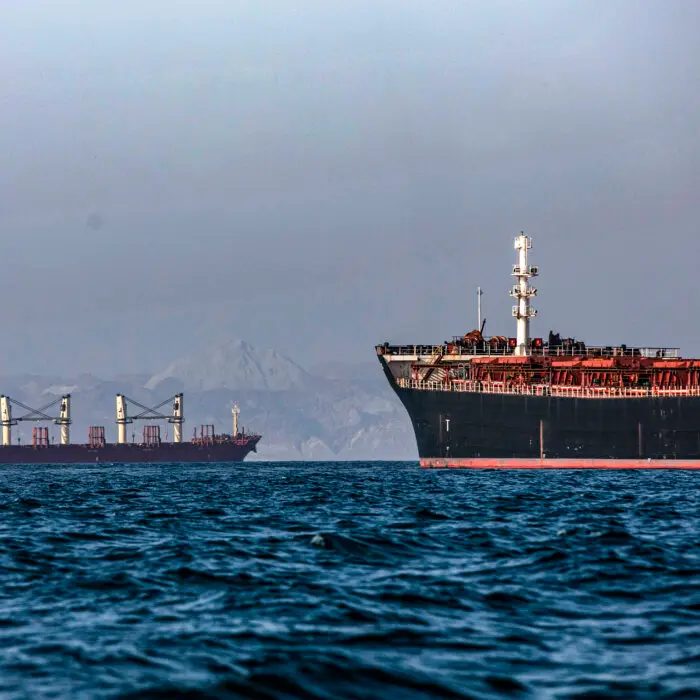
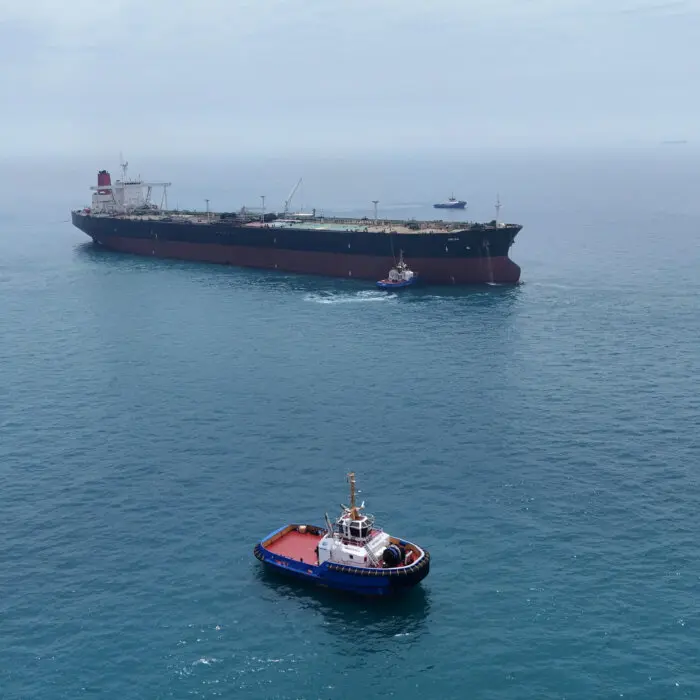
As of July 1, more than 58 million barrels of Iranian crude and condensate were sitting on the water, according to Kpler. More than 90 percent of those volumes had no clear destination, with many tankers marked only as “for orders” or assigned vague destinations such as Singapore, a frequent waypoint for ship-to-ship transfers that obscure the final buyer and cargo origin. At least 20 million barrels had already been idling in Asian waters for a week or more, an extraordinary figure for a producer that wants to present itself as a relevant and stable exporter.
These are not normal market dynamics for a credible supplier. A reliable exporter sells forward, loads predictably, and delivers to identifiable clients under transparent contractual frameworks. When crude accumulates offshore without a destination, the market is saying that buyers do not trust the supplier enough to commit capital, refining capacity, insurance cover, and political risk tolerance to regular purchases.
Oil buyers do not purchase barrels from anyone. They need certainty. Transparency and reliable contracts are essential in the energy sector. Global energy companies and buyers avoid sanctions, compliance, or reputational problems. The risks attached to opaque and risky contracts outweigh any alleged price discount. Iran fails on each of these fronts.
The current stockpile was built after a period in which Washington temporarily eased sanctions and ended a naval blockade on Iranian ports, offering Tehran a narrow 60-day window in which to place barrels into the market. Even under those unusually favorable conditions, Iran struggled to attract buyers. In fact, the only real customer that Iran maintains is China, and the Asian giant has already built an alternative to Iranian oil. The problem is not just the existence of sanctions but the destruction of commercial confidence.
When the Iranian regime decided to use its usual confrontational rhetoric against the world, it indicated that the Strait of Hormuz was not a weapon but a liability, and it sent a clear message to its customers: Iran is not a reliable supplier.
When the Iranian regime threatened the world with large $2 million fees per ship for the transit through Hormuz only to announce a massive 90 percent “discount” two weeks later, it did not show strength, but desperation. No one is going to pay any fee, and no transport company is going to risk the reputational damage of paying the regime, even less so in opaque transactions that can destroy a company’s credibility and reputation.
1. Political Risk Is Greater Than Commercial Benefits.
No refinery wants to depend on barrels that may suddenly become unavailable because of an erratic regime, sanctions enforcement, naval pressure, or regional escalation. Reuters reported that Iran’s oil stored at sea hit a record high, equivalent to roughly 50 days of output, as China was buying less from Tehran. The Iranian regime gave the worst message to its only strategic partner, China: The Iranian regime is not a reliable and serious supplier, and it may disrupt cargoes at any time because its political strategy is more important than its reliability as supplier. Thus, China found alternatives to Iranian oil from all other Gulf and Asian countries. Iran’s “cheap oil” became too expensive for China.2. Opaque Logistics Repel Serious Buyers.
When tankers sail with undefined destinations and depend on ship-to-ship transfers to move cargo, buyers are pushed into a gray zone of compliance, financing, and disclosure risk that may have enormous legal consequences for them. This may work for opportunistic rogue traders, but it is incompatible with the needs of major refiners, listed companies, and countries that require transparent procurement channels.3. Floating Storage Is a Sign of Weakness, Not Strength.
Tehran may try to portray floating storage as tactical flexibility, but the scale of the current buildup shows that barrels are available because buyers are scarce. Reports on Iranian floating storage have also pointed out the use of old tankers parked in or near the Gulf, raising worries about safety risks, damage to the cargo, and environmental harm if storage lasts too long.4. A Distressed Seller Loses Pricing Power.
A supplier with credibility can negotiate from strength. A supplier that has tens of millions of unsold barrels on the water cannot fulfill its obligations. As Iranian vessels pile up without a clear sale before waivers expire or political conditions worsen, this relegates Iran to the role of a discount, desperate seller.The issue is not simply that Iran has oil available; the real issue is Iran’s negligible ability to convert supply into reliable commercial flow on normal market terms.
Major importers value supply security above price, and Iran offers none. Even when a discounted cargo looks attractive on paper, buyers must consider whether payment channels will remain open, whether insurers will cover the trip, whether customs documentation will be questioned, and whether the cargo could trigger diplomatic or legal repercussions. In that context, a barrel from a more expensive but reliable producer becomes cheaper in risk-adjusted terms.
Now, the United Arab Emirates offers all that buyers demand and none of the opaque and unacceptable terms that Iran requires. The UAE offers certainty; Iran delivers risk.
That is why Iran’s export problem is reputational as much as geopolitical. Once a producer becomes associated with political priorities, questionable financing, workaround logistics, unclear destinations, emergency waivers, and recurrent offshore stockpiles, confidence does not return. Markets remember.
The accumulation of floating storage indicates that China, Iran’s historically strategic partner, no longer treats it as a core supplier. Core suppliers support refinery planning, term contracts, and strategic procurement.
Building credibility in commodity markets takes years, but it can quickly vanish. Iran’s current oil glut at sea proves that political confrontation against its OPEC partners, opaque trading methods, and chronic sanctions exposure have turned a major hydrocarbon producer into a supplier many buyers would rather avoid.
Iran may still produce oil, but it no longer commands the trust required of a dependable exporter. That is the true cost of its lost credibility.