Minding my own business and tottering around a perfectly respectable area of town, I found myself standing above vagrants busying themselves on the ground. They were oblivious to my presence because their minds were fried. They were sharing a crack pipe. They had all sorts of apparatus spread out before them and were fiddling with this or that thing as best they were able.
When they finally noticed me, they sensed that they were caught, gathered their things, and wandered off in strange ways to go somewhere else.
Since that incident, my heart has been grieving for these two people. This is their life, apparently. They stumble from one stupor to another, looking for money to pay for their next hit on the crack pipe. I simply cannot fathom such a life. It seems hardly worth living.
There is no purpose, no direction, no ambition but to find a way toward the next hit before the previous one wears off entirely.
It’s a sure path to ruined lives. How many people live this way and why? I’m not sure, but it is probably in the millions. It appears that this country has largely given up on trying to control this industry. There is too much money in it, and the consumer demand is too strong.

This much is true, however: No country can have a bright future so long as a substantial portion of its population is drugged up. By that, I don’t only mean crack. That’s the disreputable stuff, and everyone looks down on such people.
There are many ways in which our society has blessed other forms of being drugged up with the dressing of respectability.
My favorite liquor store has wines from all over the world. Several employees are real experts. They play classical music, and I enjoy going in. There are cheaper but still wonderful wines displayed along the lower part of the front counter for customer convenience.
But last month, something odd happened. The entire front display changed. Instead of wine, it was filled with cans of some kind of soda I did not recognize. On closer look, they are all cans of flavored THC, which is the psychotropic ingredient in marijuana.
In other words, these are drugs in a can. In full display. I asked about it, and the owner told me that, as a businessman, he obeys profitability signals. The THC sodas are the biggest sellers by far. When he started carrying them, they instantly became the highest-margin product they sell. He is disgusted by them but has to stay in business and has to make a buck.
A friend explained the reasons for the newfound popularity. Apparently, THC mixes with prescription psychmeds better than does alcohol. Apparently, alcohol is best consumed by people who do not otherwise use narcotics.
Driving through New England over the weekend, I saw many billboards for weed shops. I’m reminded that there was an explosion of such shops during lockdowns when the churches, gyms, and schools were closed. You can always head over and snag some pot.
People who know tell me that the sodas, entirely unregulated for now, and weed in shops are 10 times as powerful as the stuff that floated around my high school. That was the natural stuff from Mexico and rather weak. Now there is a huge industry in cultivating this product, and it comes with high potency.
Make no mistake: This stuff is seriously addictive. Anyone who says otherwise is lying to you or to themselves. I have several friends who are trying to shake the habit and attend the weed equivalent of Alcoholics Anonymous. I’m not suggesting it is as bad as crack, but it is a matter of degree and not kind.
Several months ago, three world leaders were caught on camera in a scene that suggested that they were preparing to share in a cocaine party. They scrambled quickly to hide the bag and spoon from the camera. No one knows for sure, but there is little doubt these days that cocaine addiction is a major issue in politics and finance. It seems much more normalized now than it was decades ago.
These are still in the realm of sketchy drugs, but there are plenty of the equivalent that are readily available from your general medical practitioner. Are you down in the dumps? Sometimes wake on the wrong side of the bed? Frustrated by your studies? He has a drug for you. It promises to fix your problems.
Sure enough, the drug numbs your brain so long that you are no longer anxious, depressed, afraid, angry, or otherwise volatile. It works! At first. A few months later, your body adjusts to the new normal, and now you have problems sleeping. There is a pill for that. But now you are too sleepy to pay attention in class. There is a pill for that too.
Next thing you know, you are popping three or four pills per day and are heavily dependent. But your problems are not going away. You see a psychiatrist because your health insurance pays for it. They give you more. Particularly concerning is that you report suicide ideation, which triggers higher dosages and more pills.
Again, no healthy functioning society can have a third of its population addicted to psychotropic drugs, whether legal or not, prescribed by doctors or bought on the streets. Quite simply, this is a catastrophe unfolding before our eyes.
What really makes me angry is how the children are being affected. In the name of fixing ADHD, kids are routinely prescribed meds that alter and possibly permanently affect brain and emotional development. I’ve heard stories in this realm that strike me personally as darn-near criminal. No general practitioner should have the right to destroy the lives of college students by acting as drug dealers.
Whether the kids are hanging out in the streets smoking crack or picking up their drugs from the pharmacy with prescriptions, the dangers are equally real.
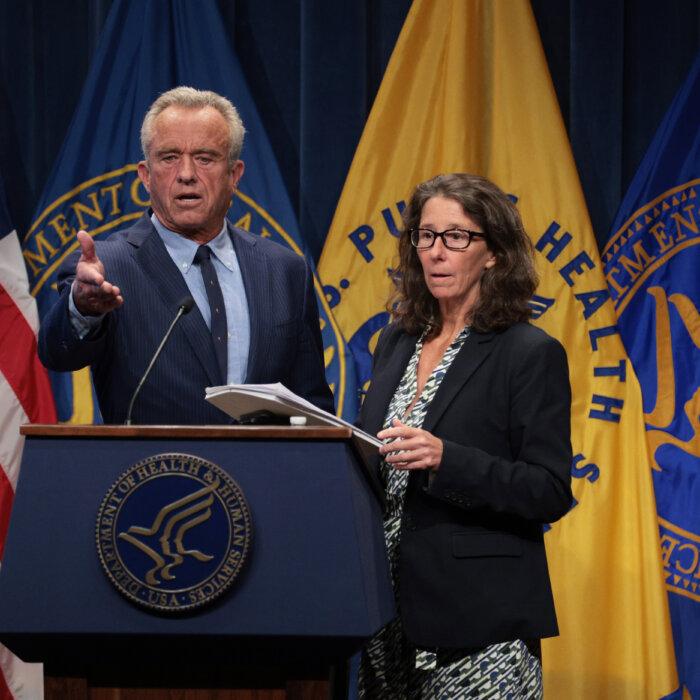
What is the path to reform? Here is where it gets frustrating. There are no easy answers. Getting rid of prescription-drug advertising on mainstream TV and radio is a must and a start. That seems like a no-brainer, and Health and Human Services should move on this one immediately, even though the mainstream media will scream like it is the end of the world. They are addicted to pharma money like the crack addict is addicted to being high.
Beyond that, I’m just not sure there is any shortcut to repairing lives one at a time. Talk to your kids. Talk to your grandkids. Distribute Delano’s book. Shame the local liquor stores for selling drugs in a can. Stay away from this industry yourself.
The real fix is cultural transformation. There must be some other meaning to life beyond looking for the next high and the next hit. We simply cannot live this way. We cannot make America Great and Healthy Again so long as we have major social and cultural problems with drug addiction of any sort. It must stop. If anyone has other ideas, I would like to hear them.