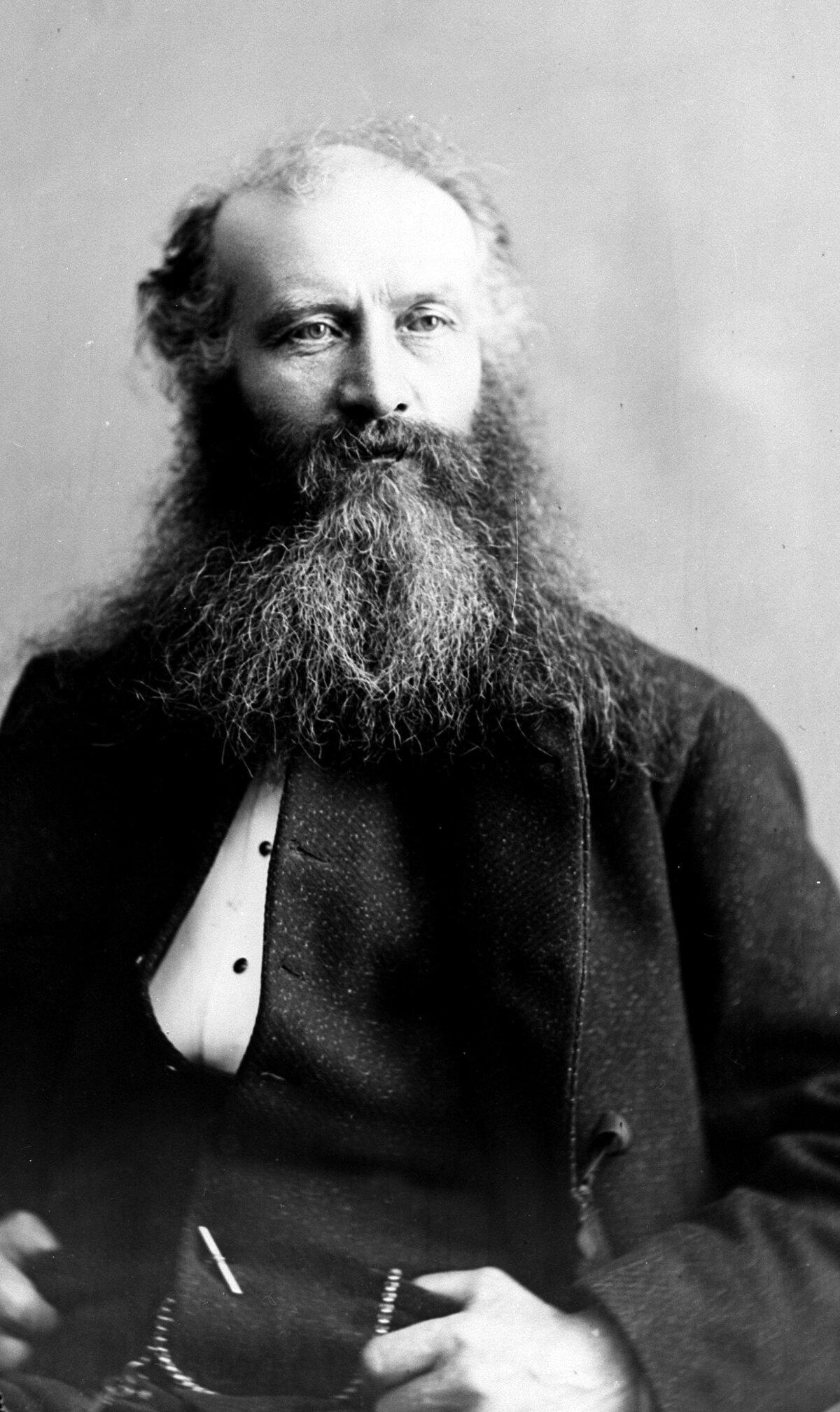
In July 1876, Sandford Fleming, a Scottish Canadian engineer, was standing on an Irish railway platform fuming—he had misread his timetable, confusing a.m. and p.m., and as a result had missed his train. Spurred by this inconvenience, Fleming began thinking about how a 24-hour clock would have made this sort of mistake impossible. But his highly inventive mind did not stop there: he had visions of worldwide time zones, 24 of them around the globe, each comprising 15 degrees of longitude and each an hour different.
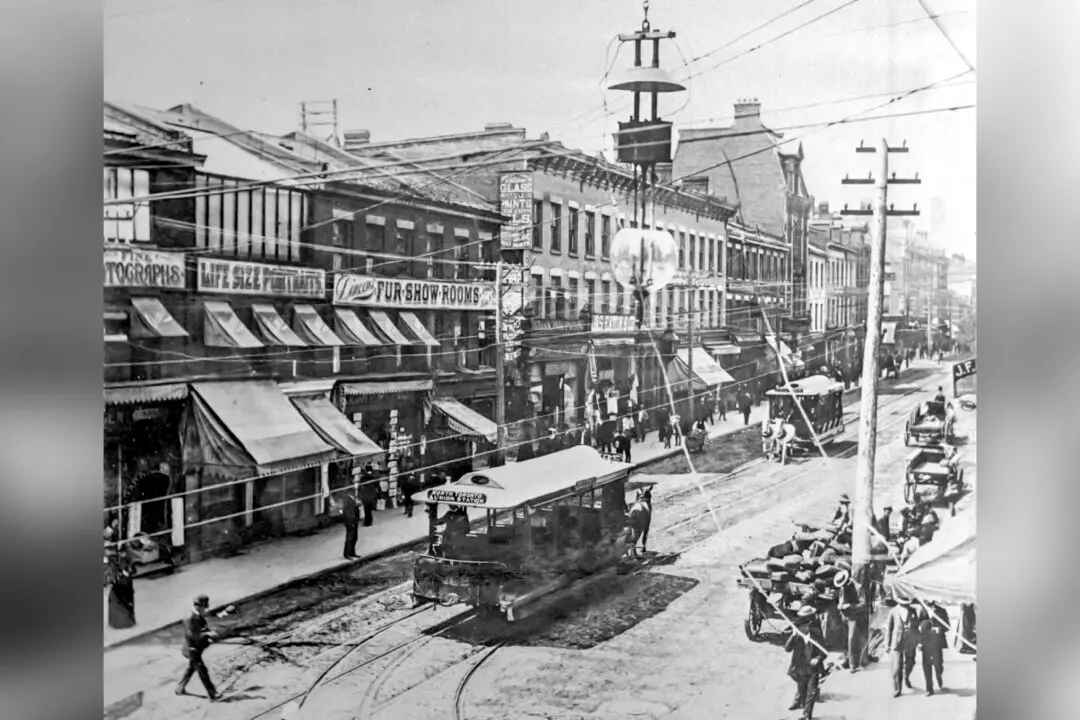
The notion of standardized time would be an extremely valuable one in an age of unprecedented railway expansion and increased travel. It was customary for each locality to keep to a different time, making timetables an unreliable nightmare and accidents much more likely to happen. In October 1841 near Westfield, Massachusetts, two trains operating on the same track, one east-bound, the other west-bound, collided because of inaccurate timekeeping. Only two people died in that crash, but 20 passengers and crew died near Pawtucket, Rhode Island, in 1853 because of a similar miscommunication, with a new train conductor using a milkman’s borrowed watch upon which to base his train’s schedule.
This new system specifically followed Fleming’s recommendations and gave structure to North American industry and commerce. The immediate effect was a drastic reduction in railway accidents and scheduling errors, paving the way for faster, safer travel and more efficient movement of goods and people.
Fleming’s advocacy extended beyond North America. He participated in high-profile international conferences, culminating in the 1884 International Meridian Conference in Washington, D.C. Here, his proposals played a pivotal role in persuading delegates from over 20 countries to adopt the Greenwich Meridian as the prime meridian, the basis for a new global standard of timekeeping. Countries gradually established legal frameworks to adopt standardized time zone usage for civil and commercial purposes.
Today, Canada has six time zones from Newfoundland (always a tricky 30 minutes different) to the Atlantic, Eastern, Central, Mountain, and Pacific zones. The continental United States has five, plus four more for their island possessions in the Pacific and Caribbean. Russia has an amazing 11 time zones, while autocratic China has only a single one.

Fleming’s vision permanently altered how societies measure, understand, and organize time. The widespread adaptation of his time zone model meant that, for the first time, vast regions could be coordinated with precision, whether for train schedules, telegraph messages, or cross-continental business. This system remains essentially unchanged in the 21st century, a testament to the enduring value of Fleming’s intellectual achievement and his ability to foster cooperation.
Fleming was an astonishingly productive man, one that Canadians—who are presently suffering a dearth of heroes (particularly from the 19th century)—ought to know more about. He had keen ideas about electoral reform, favouring a system of proportional representation, and he advocated for transoceanic undersea cables connecting North America, Europe, and Australia. In 1851, he designed Canada’s first postage stamp.