My mother and her twin sister have always sent us ginger and turmeric from Hawaii—sometimes a little during the year, always a generous box at Christmas.
They are garden people in the deepest sense: They love the work of growing food, the rhythm of seasons, the satisfaction of producing what they need with their own hands. Their sense of security comes not from institutions or stores but from soil, cultivation, and preparation.
They also grow galangal, more than most could ever use, but traditional ginger and turmeric are their pride. Their garden isn’t a lifestyle accessory; it’s a life source.
I used to feel differently about these boxes. For years, I lived in a world where food arrived shrink-wrapped or labeled, where abundance was something you admired, not something you understood. I didn’t know what it meant for a root to spend months underground thickening itself into something powerful. In a refrigerator drawer, ginger looked like ginger. Turmeric looked like turmeric. They were just items, not timelines, not stories, not lifework.
When I moved onto land in Texas and began growing food myself, something quietly rewired inside me. It wasn’t a single moment or revelation; it was cumulative, built like rings in a tree. You plant something that takes 10 months to mature, and you learn to stop demanding immediacy. You haul water to animals in summer, and you learn what nourishment costs. You lose a crop to frost, and you learn humility. You succeed in a small harvest, and you learn reverence.
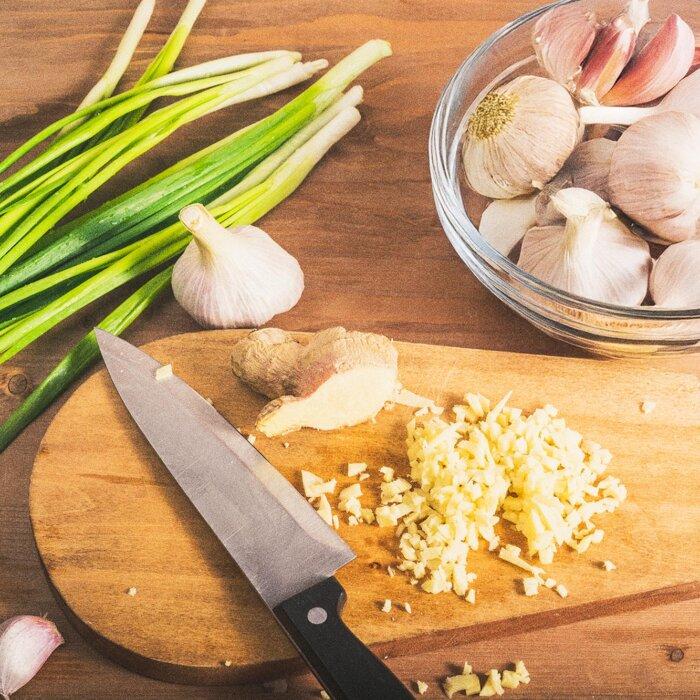
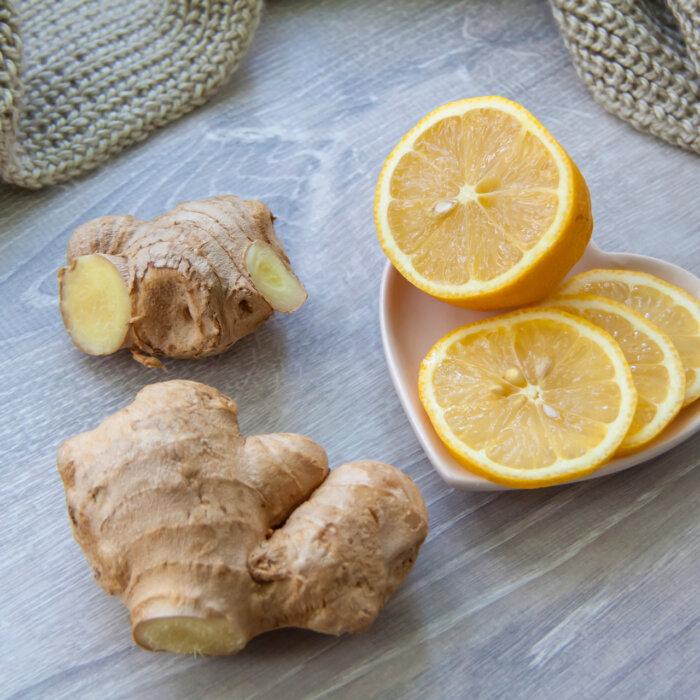
So when the flat-rate box arrived on Christmas Eve, it didn’t feel late or early. It felt intentional. It came from Hawaii, packed by my mother’s twin sister. Inside were hands of traditional ginger and turmeric—no substitutes, no look-alikes, no confusion.
The Thai ginger, galangal, spends two years or more underground before it’s ready to harvest, a reminder that patience isn’t poetic; it’s practical.
Traditional ginger and turmeric aren’t fast, either. They push their tropical leaves skyward for nearly a year before the rhizomes below are ready to become anything for us at all.
My husband was feeling a little under the weather when the box arrived, so the roots went straight to work. I brewed a huge pot of turmeric, ginger, and lemon tea. The kind of pot you share, not sip privately. My children stirred honey into their cups, my husband drank his slowly, and the steam from the pot drifted through the house like a warm, herb-scented blessing. Healing doesn’t need to be dramatic to be real. Sometimes it’s just the quiet exhale of relief.
That first week, those roots showed up in everything I cooked: a turmeric-ginger dal, a vegetable curry fragrant with ginger, a beef curry simmered low and slow, and a soy-sesame cabbage stir-fry blitzed with both ginger and turmeric. When turmeric hit the blender, it painted the pitcher’s walls a bright orange: brilliant, unapologetic, impossible to scrub away. It wasn’t the color of a mess. It was the color of participation, of use, and of presence.
I’ve even planted many of these roots again, connecting my soil here in Texas to my mother’s soil in Hawaii. Every green sprout that pushes through the earth feels like continuity rather than distance. It feels like proof that connection isn’t weakened by geography when it’s strengthened by participation.
The word “versatile” doesn’t feel big enough for these plants. Ginger can be medicine, tincture, cookies, broths, fire cider, cocktails, teas, and tonic ferments. Turmeric does the same, but adds something ginger cannot: color. Memory made visible.
Turmeric is sunshine stored underground, then splashed across kitchens, cutting boards, cups, pots, and blenders. You can see where turmeric has been. You can’t pretend that you didn’t use it. You can’t hide its footprint. And that honesty, that visibility, is part of its gift.
I often think about how our ancestors once lived with more instinct than instruction. Animals still do. They avoid what harms them, eat what heals them, and move away from danger without worrying about being misunderstood.
Humans have built a louder, more complex world and have lost some of that quiet knowing along the way. But plants such as ginger and turmeric tug us gently back toward that ancestral intelligence—not by making us regress, but by making us remember.
My mother and her twin have always believed in abundance because they built their lives to produce it. I had to learn to believe in it by learning what it costs to grow it.
What a gift indeed: not flashy, not rare, not fragile, not trendy, not luxurious. Just deeply useful. Deeply nourishing. Deeply connective. A gift that doesn’t ask you to admire it, only to participate in it.
And I participate now with both hands. My blender is orange. My kitchen glows golden. My heart feels tethered not to excess, but to lineage, soil, memory, and nourishment.
I relish each hand of ginger and turmeric now—not because they changed, but because I did.