As I flew from Texas to Utah, I looked down at the quilt of patchwork fields spread out beneath me. Pivot circles, fence lines, dirt roads, irrigation ditches, thousands of small farms stitched together across the land. From 30,000 feet in the air, you can see generations of labor written onto the earth.
Every square, every circle, every odd little corner carved up against a river or a hillside represents a family. A dream. A lifetime of work. Water systems dug by hand, roads cut through wild country, barns raised, fences mended, soil tended year after year. When you look down from an airplane, you can see something that modern life tries very hard to make us forget. Farmers built this country.
And what is the thank you for all that effort?
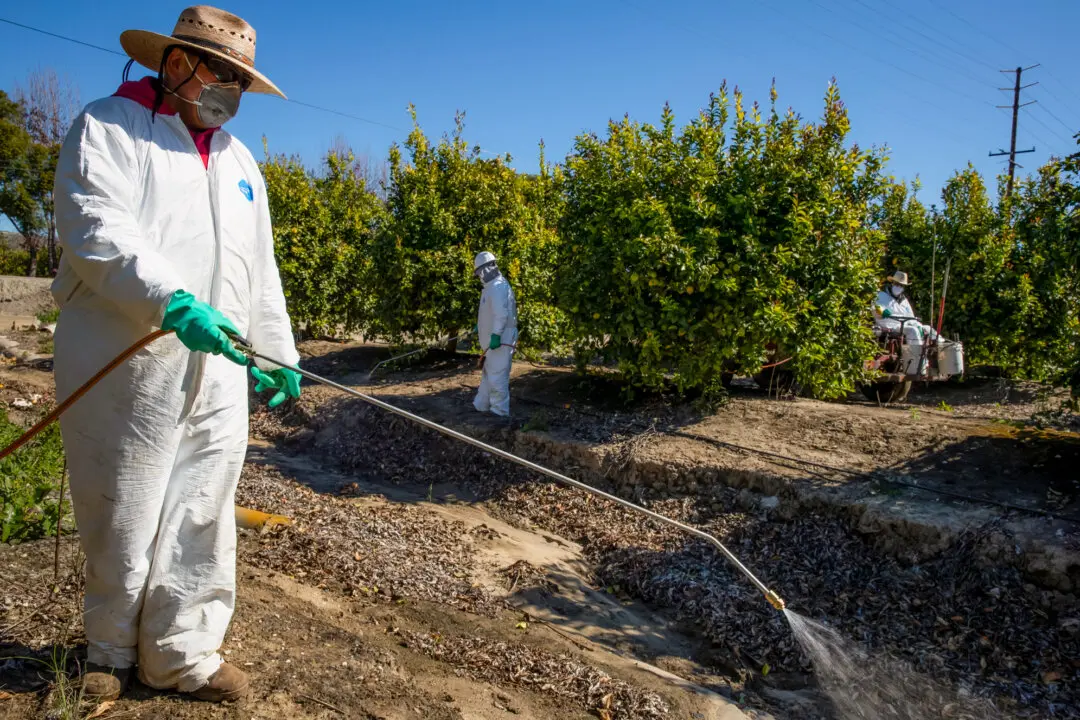
A food system that offers them only two options: submit to the chemical and genetically modified seed cartels or go out of business. And even if you submit, you might still go out of business. The promise of efficiency and technology has somehow delivered razor-thin margins, crushing debt, and a steady march toward consolidation that swallows up family farms.
The magnitude of the work that has come before us is largely ignored by modern society. But from the sky, it becomes impossible to ignore. Fields tucked into every available space, stretching up into the foothills of the Rocky Mountains and across the flats as far as the eye can see. Infrastructure was created where there once was wilderness—a landscape shaped by human hands and stubborn determination.

This past weekend, I was at a conference where a sheep farmer told a story. He was walking his flock up the road that runs through his farm, the same path his family had used for generations. A man jumped out of his car, furious, and yelled that the sheep were blocking the highway.
The farmer calmly replied, I know. They put a highway right on top of my sheep road.
That story says everything.
The roads, water systems, towns, power lines, and the nation’s infrastructure were pushed out into the wild by farmers and ranchers. Long before there were subdivisions and office parks and interstates, farm families were figuring out how to make life work on the land. They built first, and the rest of society followed.
Yet now we are losing our farms due to a lack of community support, government policies that favor industrial agribusiness, market structures that reward size instead of stewardship, and the belief that this way of life is antiquated and unnecessary.
We are told that bigger is better. That efficiency requires chemicals. That food should be cheap above all else. That farmers are just another industry to be optimized and consolidated.
It is short-sighted not to see the value of the people who actually grow our food.
It is heartbreaking that generational farms are disappearing.
And it is necessary that we, the people, come together to save agriculture before it is too late.
Government will not save us.
Policy will not save us.
Corporate promises will not save us.
People will.
I write here almost daily because I do not know what else to do. I will keep making the request, hoping for a ripple effect, that one person reads this and talks to a friend, who talks to another friend, and a movement begins.
A local food movement.
A community movement.
A movement that understands that food is something meant to bring us together in a world determined to tear us apart.
Food is not Democrat or Republican.
It is not straight or gay.
It is not black, white, or Latino.
Food does not care about our divisions.
Food is necessary for all of us.
Can we stitch ourselves together the way those fields are stitched together, like a quilt, building networks that support local communities and local agriculture?
Can we decide that knowing our farmers matters, that paying a fair price for food matters, and that keeping rural communities alive matters?
Policy will never save us on its own. Regulations, subsidies, and programs come and go with every election cycle. But communities that care about one another can endure for generations.
From thousands of feet in the air, looking down from an airplane, we cannot see race, gender, or political party. We cannot see arguments on social media or the endless shouting matches on television. All we can see is the massive amount of work farmers have put into shaping this land.
We can see the fingerprints of families who came before us.
We can see the evidence of resilience, faith, and determination.
We can see a nation literally cultivated by human hands.
Can we honor that work?
Can we remember the importance of local food, local farms, and local communities?
If we do not, the quilt will slowly unravel. And once those stitches are pulled out, once those farms are gone, we will not easily put them back together again.
The view from the airplane makes it clear what is at stake. The question is whether we will choose to see it.