In the Homeric epic “Odyssey,” the hero Odysseus navigates the storms of the “wine-dark sea,” seeking to return to his home and family after many years of war-fighting. He must first pass through a narrow strait of water, one with dangers on both sides. To the left is Scylla, a monster living in the rocky cliffs, capturing and devouring passing sailors. On the other side is Charybdis, a deadly whirlpool capable of engulfing Odysseus and his men and destroying his ship.
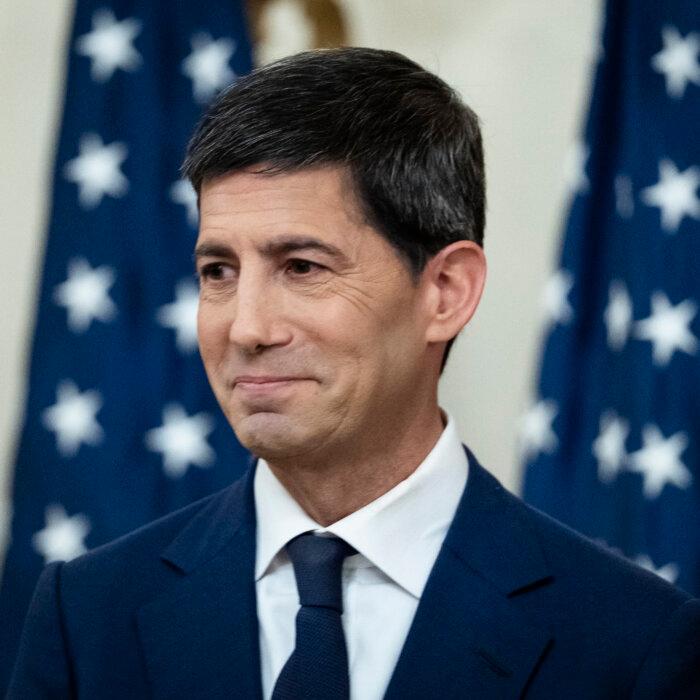
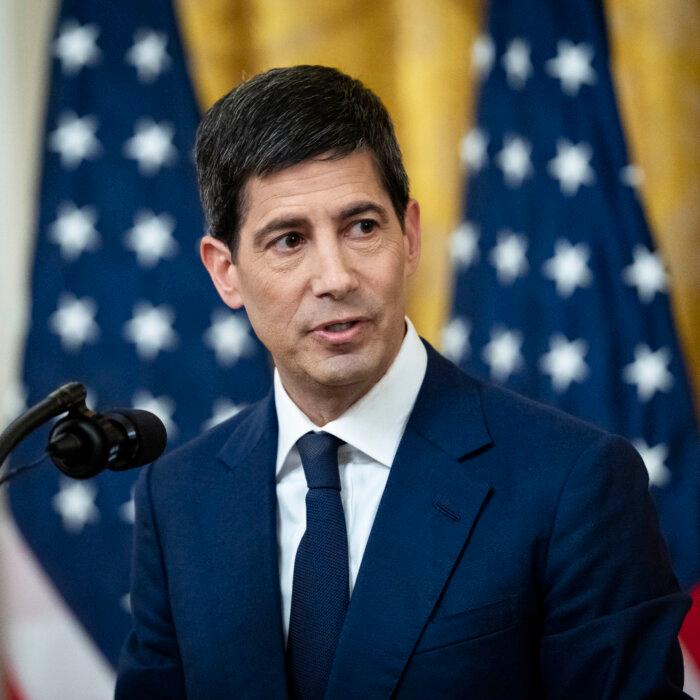
Federal Reserve Chairman Kevin Warsh similarly finds himself between a rock and a hard place. Like Odysseus, Warsh must navigate a narrow passage (one might imagine the Strait of Hormuz) between the hidden shoals of economic recession, on the one hand, and the draining whirlpool of runaway inflation, on the other.
Raising rates too much or too fast will have several serious consequences.
Second, higher interest rates will raise the cost of borrowing for the U.S. government as it seeks to refinance its $38 trillion in national debt and raise even more debt to support continued deficit spending on the Iran War and numerous untouchable entitlement programs. Not to mention that higher rates would risk popping the bubble currently expanding in U.S. equity markets.
To be sure, some air needs to come out of the stock market’s balloon, but ideally this would occur slowly as the real economy continues to grow, not with a sudden bang as we have witnessed in the dot-com bubble and the global financial crisis.
Still, lowering interest rates risks refueling and expanding an inflationary wildfire. May’s consumer price index (CPI) result of 4.2 percent (up from 3.8 percent in April) was largely driven by rising energy prices as a result of the Iran War.
Lowering rates will provide further stimulus to the speculative frenzy in financial assets and lead to higher prices for goods and services across the real economy. Inflation will benefit the government (the nation’s largest debtor) and Wall Street, but hurt the consumer and Main Street businesses already strapped by higher prices.
So our modern-day Odysseus must somehow navigate the middle course as he takes the helm of U.S. monetary policy, the rudder steering the ship of our national economy. Veer too far to the left (higher rates), and the economy founders on the rocks of recession. Veer too far to the right (lower rates), and the inflationary whirlpool undermines American households.
The political pressures—not just from the White House, but from the U.S. Treasury, responsible for refinancing the debt—lean heavily to the right and to lower rates. When governments—and politicians worried about their jobs—are forced to choose between recession and unemployment, on the one hand, and inflation on the other, they have chosen inflation time and time again.