It’s getting colder out there, and we are bumping up against the holidays. With prices at restaurants high enough to eat a whole paycheck, the season coincides with a new interest in home cooking. Sadly, an entire generation lacks real experience with this. I’m going to suggest an easy and wonderful option about which we too often forget: the beef roast.
Thinking back on my childhood in West Texas, every Sunday would begin with my mother rattling around in the kitchen before the kids woke. She was making something. It would reveal itself upon walking in the door at about 12:30 or so when we returned from church that morning.
Church was more than one hour. It was half the day. It involved showing up early because my father directed the choir. So we would busy ourselves before Sunday School, which lasted an hour, during which time we talked about the Bible and memorized scripture. Then came a 45-minute break before the service began. That lasted another hour and a half with a sermon that was always 30 minutes at least. So, yes, it was an ordeal.
But walking in the house after all that, we were always greeted with the most wonderful thing. It was the smell of the roast that Mom had prepared that morning before we left. There were carrots, onions, potatoes, and some green chilis. She would reach into the oven and pull out the roasting pan and serve it up.
We ate so much because there was always so much food. The roast was tender to the point that it instantly fell apart when poked with a fork. Everything was soft. As a kid, I loved not having to wrestle with thick meat I had to cut with a sharp knife. This is what came to be called “comfort food,” a phrase suggesting the warmth and love of home and family. This smell became part of my fondest memories from childhood.

This sense of filling up a home with the smell of a food about to be eaten is an underrated experience. It prepares the taste buds for what is about to happen. And the slow cooking guarantees that the scent is not just in the kitchen but throughout the entire house. You cannot get that with a 30-minute chicken dish or pasta. The roast is the way from here to there.
Let’s discuss the basics of beef, which also applies to lamb and pork. You can cook it until it is ready to eat: rare, medium-rare, medium, well-done. You have to use a meat thermometer to know, at least if you are an inexperienced chef. You cannot rely on the recipe books to tell you because every cut of meat is different and every oven cooks differently.
What we are speaking of here is something different. If you cook your meat past the well-done point, fully covered in a roasting pan or Dutch oven, it swells up and becomes harder and harder. Then at some uncertain point in this process, the meat rather gives up and gives in and begins to change. Having released its juices, it begins to suck them back up again. This happens with briskets (common for my mother) and chuck roasts and other large cuts.
This is what I have come to call breaking down the meat. You need to plan on four hours, but it really depends on the temperature of the oven. If you are really going low and slow, you can count on six to eight hours.
I’m pretty sure that my mother would do the following. She would put in the meat and vegetables, plus salt and pepper, and start the oven at 400 degrees. There it would sit for 30 minutes or so before we were all dressed for church. Right before heading out the door, she would lower the oven to 250 degrees, without looking at the meat or even opening the oven door. There it would sit for 4 1/2 hours until it was ready to serve.
If you repeat this process, you will discover that making a roast is the single easiest and most highly rewarding way of cooking, one that provides a glorious meal for everyone. Every time.
To be sure, there are enhancements. Another fussy way to approach this is to put flour and all your spices, including garlic, maybe a dash of sugar, plus paprika and others of your choosing, into a bowl. Mix it up. Then roll the beef roast in that mix and thoroughly coat it. Then warm up your iron skillet with some olive oil or lard. Sear the beef completely so that no red parts remain.
Then you transfer the beef to the roasting pan. Put wine in the iron skillet to deglaze the pan. You can use even half a bottle, enough to create a liquid to pour on top of the roast. Then add all the veggies and you are ready to go.
It’s an extra step, but it permits the beef to hold together better after it starts breaking down.
And my mother was right: Start the oven high for 30 minutes and then turn it down. If you are spending a day working and are preparing dinner, I would do 220 degrees and essentially forget about it. It’s the best way to prepare a gourmet dinner with the least fuss.
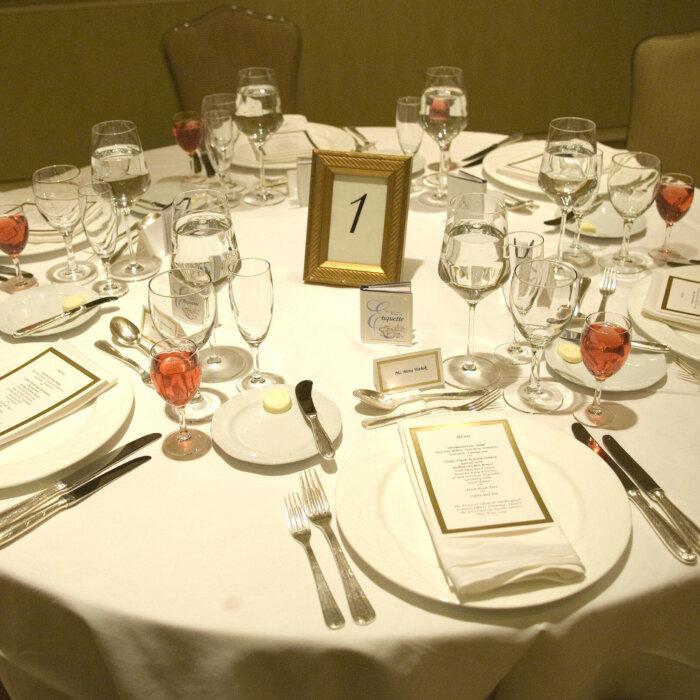
When it comes to serving, the answer is a big platter on the table. One dish. That’s it. You sit down with candles, flowers, and wine, and admit the glorious dish in front of you. It is served one plate at a time. Cleanup is minimal, and you don’t have to worry about other dishes and extra silliness.
It’s probably the most real way to cook and eat, and it so happens to be the easiest of all.
Now, let’s say you want to do the same with lamb. It’s entirely possible. The only difference is the spices. You can get all exotic with Middle Eastern spices, lots of them, and throw in raisins or dates plus whole garlic. In this case, serve it on a bed of rice.
That’s more trouble, but consider the impact of this. Lamb in American culture is still considered very fancy and a bit difficult. It is rarely eaten at home, so if you do this, it will certainly secure your reputation as a great chef even if it is not true.
I should add that you can do the same with chicken with one adaptation. If the whole chicken includes the skin, you can remove the top to the roaster and get a crispy finish on the chicken. Reduce the cooking time by half or less. Same with duck, and here the skin of the duck becomes a hugely important part of the meal.
See what I mean about roasting? It’s a marvelous way to show off your cooking skills with minimal effort and almost no effort at all. Crucially, the whole house will fill up with glorious smells long before it is time to eat, thus preparing the palate for an unfailingly good experience.
For those who know about this, this article is probably useless, but for vast majorities of new chefs, this piece will be a revelation and even a new way of life. As it turns out, cooking is not hard provided that you come to understand that the oven does the hard work. The rest is simply waiting it out.
All you need is a small or medium-sized roasting pan, which you can pick up from the thrift store for a few bucks. You will have it all of your life. This is the way our ancestors cooked, and this is for a reason. Cooking and eating this way connects deeply with something inside our DNA, which is why a good old-fashioned roast brings such comfort and joy, especially in the holiday season.