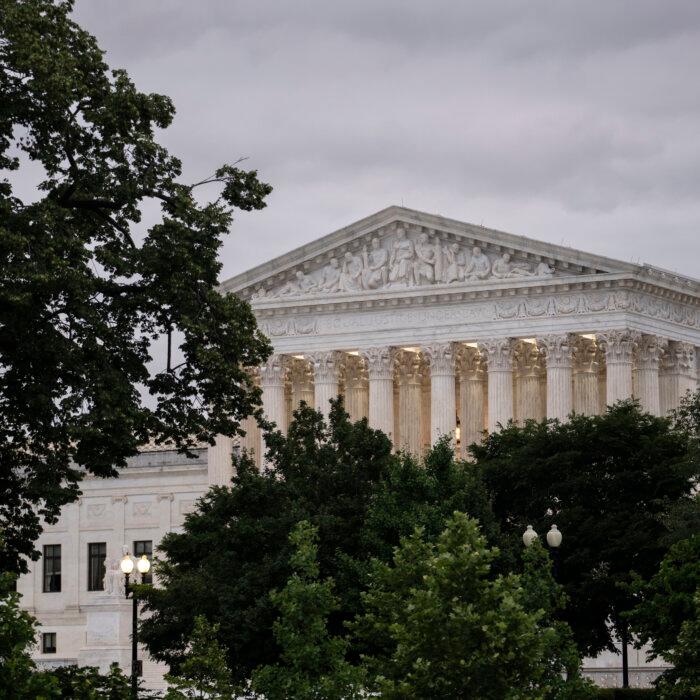
When the justices of the Supreme Court of the United States took the bench in October 2025, one of the central questions hanging over the term was how they would respond to the sweeping assertions of executive authority made by the second Trump administration. Eight months later, with several major decisions still pending before the court concludes its term, that question remains only partially answered. Across dozens of argued cases, this Supreme Court term has become a sweeping legal reexamination of executive power, constitutional structure, and some of the nation’s most politically charged disputes, issues that legal scholars will likely debate for years to come.
The first blockbuster arrived in February with Learning Resources, Inc. v. Trump. In a 6–3 ruling, the court held that the International Emergency Economic Powers Act does not authorize a president to impose tariffs. The decision cast doubt on the legality of billions of dollars in tariffs already collected by the federal government, although the precise consequences remain unresolved. Importers may ultimately seek substantial refunds, potentially totaling hundreds of billions of dollars, but the final outcome will depend on continuing litigation in the lower courts.
If the tariff decision represented a significant check on executive authority, Louisiana v. Callais reshaped the legal landscape surrounding voting rights and redistricting. In a 6–3 decision issued on April 29, the majority, led by Justice Samuel Alito, rejected a Louisiana congressional map that included a second majority-black district. The court concluded that the state’s race-conscious line drawing lacked sufficient justification under constitutional limitations on racial gerrymandering. Writing in dissent, Justice Elena Kagan warned that the ruling effectively renders Section 2 of the Voting Rights Act “all but a dead letter” in redistricting cases. The consequences could be far-reaching, as district maps remain one of the principal mechanisms through which minority voters gain or lose political representation.
In March, the court handed down an 8–1 decision in Chiles v. Salazar, holding that Colorado’s ban on conversion therapy, as applied to a Christian counselor’s talk therapy, regulated speech based on viewpoint and therefore warranted heightened First Amendment scrutiny. The ruling has raised concerns among supporters of such laws that similar protections for LGBTQ minors may now face greater constitutional challenges, although its ultimate impact will depend on how lower courts interpret and apply the decision.
Yet some of the most consequential cases remain unresolved.

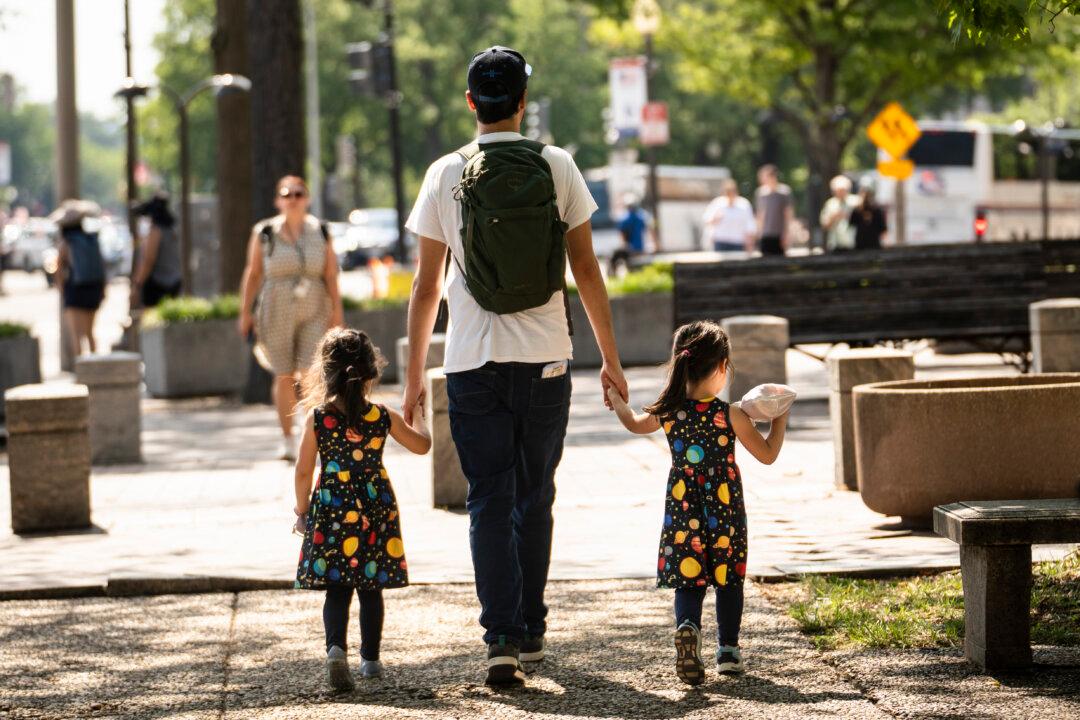
In Trump v. Barbara, the court must determine whether the president’s executive order denying citizenship to U.S.-born children of undocumented immigrants and certain temporary visa holders can be reconciled with the text, history, and precedent of the 14th Amendment, including United States v. Wong Kim Ark, the landmark birthright citizenship decision.
In Trump v. Slaughter, the justices will consider whether to overrule or substantially limit Humphrey’s Executor v. United States (1935), the precedent that protects certain independent agency officials from at-will presidential removal. Meanwhile, Trump v. Cook will test whether similar removal principles apply to members of the Federal Reserve. Although the cases involve related questions of executive control, the court may distinguish between independent regulatory agencies and the unique role of the Federal Reserve.
The court also faces several high-profile cultural and social disputes. In Little v. Hecox and West Virginia v. B.P.J., the justices will decide whether states may prohibit transgender athletes from participating in girls and women’s school sports. At the same time, immigration cases involving temporary protected status will address whether federal courts may review the administration’s decision to terminate protections for large groups of immigrants, including Haitians and Syrians who could face deportation depending on the outcomes.
Election law and Second Amendment disputes also remain on the docket. These include Watson v. RNC, involving late-arriving mail ballots; National Republican Senatorial Committee v. FEC, addressing limits on coordinated party spending; and Wolford v. Lopez, which challenges Hawaii’s restrictions on carrying firearms onto private property.
Tucked among these headline-grabbing controversies are quieter cases with deeply personal stakes. In Landor v. Louisiana Department of Corrections and Public Safety, prison officials allegedly shaved a Rastafarian inmate’s nearly 20-year-old dreadlocks and discarded them. The court must decide whether the federal law protecting prisoners’ religious exercise permits claims for monetary damages against state officials who violate those rights.
This term’s docket is as sprawling as it is consequential. What ties much of it together is a common thread: the ongoing struggle to define the limits of executive power, preserve constitutional boundaries, and resolve some of the nation’s most divisive political questions. By the end of June or perhaps early July, we will know far more about whether this court ultimately checked presidential power, expanded it, or, as is often the case in constitutional law, did a little of both.