A friend recently sent me a song she loved.
“It’s beautiful,” she said. “The lyrics are really touching and the melody’s so calming.”
I listened. The lyrics were gentle, uplifting. The music was soothing. But to me—a longtime content creator familiar with the latest artificial intelligence (AI) production tools—something was off. I immediately recognized the lifeless vocals. The phrasing had no breath, there were glitches in tone and intonation. The instrumental backing was overly generic, as if lifted directly from a royalty-free chord library. I didn’t have to look it up. I already knew: The entire song was AI-generated, from lyrics to vocals to music production. Then came the question I didn’t want to answer: Should I tell her?
Would pointing it out make me sound pretentious? Would it ruin her sincere connection to the song’s message? Was it better to let her enjoy the illusion, or gently nudge her to question it?
This quiet dilemma is one more of us will face as AI-generated content becomes indistinguishable from human work. And it raises a deeper question: Does discernment still matter when everything feels real?
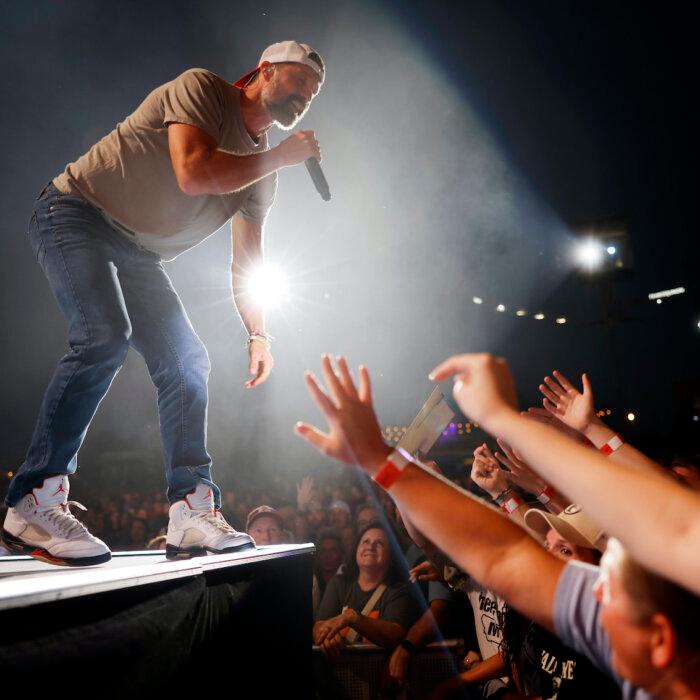

The indie music world recently got a more jarring version of this when the band The Velvet Sundown—whose songs appeared on multiple highly coveted and Spotify-curated playlists, and quickly racked up more than a million monthly streams on the popular music platform—was exposed as entirely AI-generated. There were no musicians, no instruments, no human vocalist. Just a synthetic persona, algorithmically designed.
Spotify had previously pledged to crack down on AI-generated music. Yet it wasn’t the platform that exposed The Velvet Sundown, it was independent music industry sleuths. Spotify allowed the band to remain on the platform. The band’s description now acknowledges that all content is created with “the assistance of artificial intelligence tools.” The result? General listeners are none the wiser and the fake band is still bringing in streaming revenue for its unidentified creators.
The incentives are obvious. AI content is cheap, fast, and doesn’t require royalties or contracts. But the implications go far beyond corporate strategy.
We still remember an all-too-recent time when creating music, or any artistic work, required effort and vulnerability. Even flawed songs were recognized when they carried something real that connected one human soul to another through artistic expression. Now, a few prompts and clicks can generate polished output that mimics emotional depth. Lyrics in the style of your favorite songwriter. Vocals cloned from a famous voice. Backing tracks indistinguishable from mainstream pop. In some cases, it works. But it is still mimicry and we have to ask: What are we consuming when we press play?
We’re not just facing a shift in tools; we’re facing a shift in meaning. Does it matter if a song that moves you was never touched by human hands? If a visual masterpiece was assembled by code? If a podcast host is really just a synthetic voice with no memory behind it?
For now, many people still feel the difference, even if they can’t articulate it. But what happens when we no longer notice or no longer care?
Discernment isn’t about being a gatekeeper or a purist. It’s about staying awake. Knowing what you’re taking in. Caring about whether something came from a real experience or a simulated template. Because when we lose discernment, we risk more than just aesthetic confusion. We risk rewarding imitation and efficiency and losing originality and meaning. We risk normalizing deception as entertainment and we chip away at the very idea that art is something sacred.
If we don’t value the difference between machine-made and human-made, eventually the system won’t, either. The algorithm will serve us whatever performs best, not what carries truth, struggle, memory, or love. And when we stop asking where something came from, we stop asking why it matters.
I didn’t tell my friend that her favorite new song was AI-generated. Not right away. Instead, I asked what she liked about it and what she thought that the artist was trying to say. Her answer was thoughtful and personal. And maybe that’s the silver lining. We don’t need to shame people for being moved by illusion. But we can help them look deeper.
In the age of endless simulation, discernment becomes a responsibility, not a luxury. Because if we forget how to recognize what’s real, we may lose the gift of being able to create it.