



The discussion usually takes one or more of the following shapes.
We’re just scratching the surface here, though.

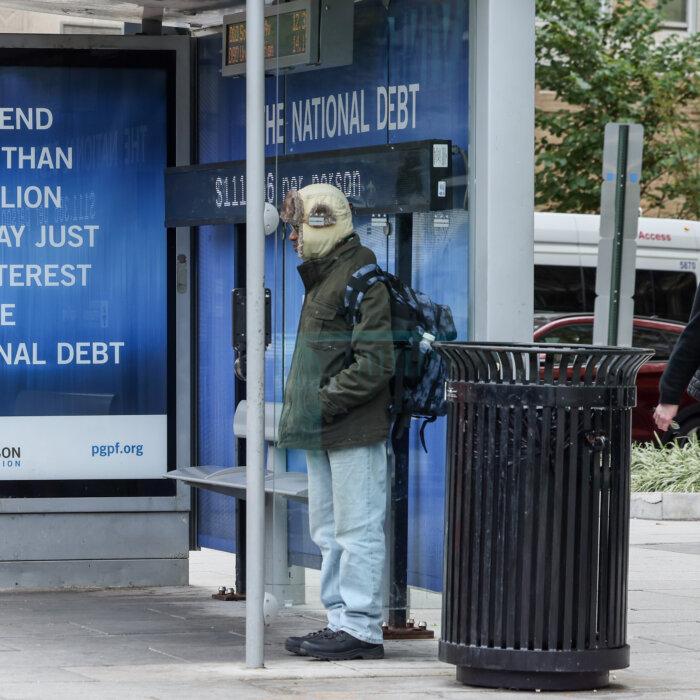
If you’re somewhat serious, in addition to those, you would do well to point out discretionary spending. Those are monies that Congress approves annually, such as farm subsidies, spending on education and housing, etc. The nearly trillion-dollar defense budget is part of it.
If you’re more serious, you could include all of the aforementioned items, plus the programs on autopilot: Social Security, Medicare, and Medicaid. They are the three biggest items in the federal budget, eating up more than half.
Interest on the debt, another expenditure on autopilot, recently overtook defense as the fourth-largest item—but cannot be tackled directly. Only by addressing all the rest will that one be pushed down in the process.
At that point, general tax revenue, i.e., what comes out of your federal tax withholding, will be tapped to make up the difference.
One of the few less efficient enterprises than that is the government. That it is the genesis of Medicaid and Medicare exacerbates the problem.
Regardless, you know that you’ve encountered someone very serious about debt and deficits when he discusses attacking it at its root: the government’s ability to service it.
Investors (remember to check your 401k) will continue to buy U.S. Treasurys if they believe that Uncle Sam will continue to have the ability to pay the interest. That ability rests on the taxing power it has over productive citizens.
So, why not cut tax rates and reduce that ability?
“We’ll take less from you, and you won’t have to spend as much time filing,” it tells them.
Alas, more growth creates more revenues, which gives buyers of U.S. debt even more confidence to continue lending to reliably profligate politicians. What then?
But, if you’re really serious, go further: If we’re serious about reducing the national debt, the ability of the federal government to incur any more must be seriously curtailed.
In much the same way that “waste, fraud, and abuse” will never really go away until spending is reduced on a large scale, the spending itself will never really go away as long as there are tax revenues and borrowing to finance it.
Whether or not this is the biggest problem facing us is up for discussion. Being a personal financial literacy teacher who walks the walk, I find such staggering debt levels to be outrageously appalling.
The upside is that the most organic, effective solution just so happens to coincide with a higher level of freedom and subsequent prosperity for citizens.