This copy is for your personal, non-commercial use only. Distribution and use of this material are governed by our Subscriber Agreement and by copyright law. For non-personal use or to order multiple copies, please contact The Epoch Times Reprints.
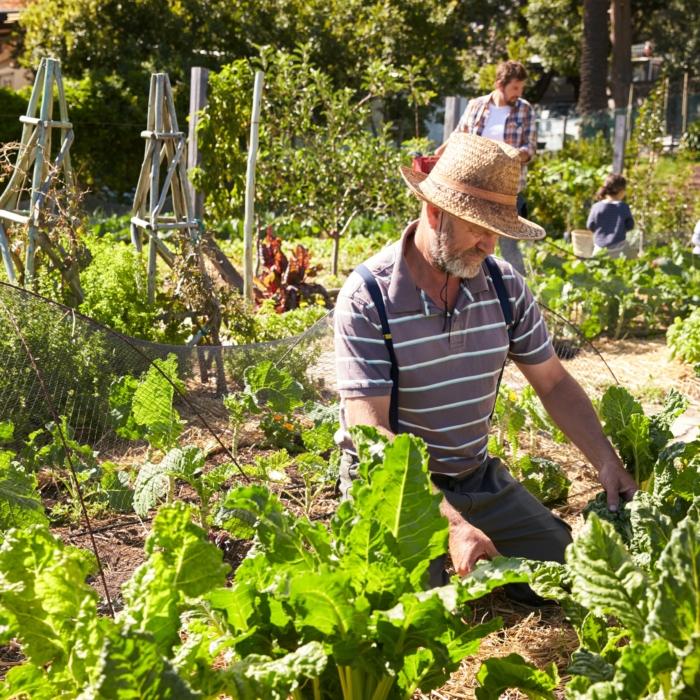
Living in the city usually brings to mind busy streets, tall buildings, and a fast-paced lifestyle. But if you look a little closer, you’ll see something special happening—a quiet change that’s turning empty lots into green spaces and places without fresh food into spots full of edible goodies. I’m talking about community gardens. These amazing little oases are doing more than just hosting the cultivation of fruits and veggies; they’re also bringing people together, helping local businesses, and addressing some enormous challenges our cities are facing today.
My journey with these vital spaces began years ago, when I was staying in Dover in the UK. Friends of mine had a plot in the local community gardens, and I cherished the time I spent looking after it. Later, when I lived in Australia, I was fortunate enough to be part of many local community gardens there. Engaging with others in these settings has profoundly advanced my relationship skills—not just with other people, but with the earth and its soil.
For too long, the narrative of urban living has overlooked a fundamental human need: access to fresh, healthy food. The stark reality is that hunger isn’t just a distant problem; it’s a pervasive challenge right here in America. According to a 2022 report from the Food Research & Action Center, a staggering 12.8 percent of U.S. households—that’s 44.2 million Americans—experience food insecurity. A significant portion of these households, about 5.1 percent, are severely impacted, often skipping meals or drastically limiting their nutritional intake simply because they cannot afford groceries.
The COVID-19 pandemic really opened our eyes to how fragile our food systems are and just how serious hunger issues are in American communities. It wasn’t only about how much things cost; it was also about how easy it was to get food. There were stories of families struggling, like a grandmother who had to move in to take care of her 14 grandkids. They were stuck eating microwave meals from food banks—stuff like hot dogs, chicken nuggets, and corndogs—because healthier options were either too expensive or just hard to find.
And then in May 2022, the formula shortage hit, which was another wake-up call. A study even found that nearly 29 percent of parents were diluting baby formula just to make it last, risking their little ones’ health for the sake of stretching what little they had.
Urban areas, despite their economic dynamism, have long grappled with food insecurity. The pandemic exacerbated this, with food insecurity becoming prevalent among 62.3 percent of adults in urban communities. The disproportionate burden falls on those with household incomes below $35,000, and even more starkly, on black and Hispanic communities, which according to a National Institutes of Health study reported food insecurity rates of 69.3 percent and 62.2 percent, respectively, during the early months of the pandemic.
Beyond simply putting food on the table, community gardens are directly improving dietary habits. Research consistently indicates a higher intake of fruits and vegetables among those with access to urban community gardens. Participants in these programs consume 1.4 times more fresh produce daily and are 3.5 times more likely to meet standard dietary recommendations. Consider this: Community gardeners eat 37.5 percent more fruits and vegetables than non-gardeners do. While non-gardeners consume fruits and vegetables 3.9 times per day, community gardeners do so 5.7 times daily.
The nutritional superiority of garden-grown produce is another compelling benefit. Most commercially sourced food travels approximately 1,500 miles to market, losing up to 30 percent of its nutritional value along the way. With urban community gardens, citizens can access freshly harvested goods with the highest possible nutritional quality at an affordable price, often directly from their plot.
The economic impact of community gardens is also substantial and measurable. Urban green spaces have been linked to enhanced property values and fewer vacant homes. Research indicates that property values within 1,000 feet of urban community gardens can increase by as much as 9.4 percent within five years of their establishment. One study estimated cumulative benefits of approximately $2 million in property value increase per public garden. This positive trend has been consistently observed across various studies over the years, demonstrating increases in property prices, rents, or tax revenues.
The USDA reports a phenomenal return on investment: Every dollar invested in a community garden yields approximately $6 worth of produce. This impressive return on investment was observed in a study involving almost 200,000 gardeners producing vegetables on 800 acres of “farmland” across 23 major U.S. cities, specifically aimed at improving nutrition and food security in low-income neighborhoods.
Beyond the monetary gains, community gardens foster a sense of security and safety. While evidence on the direct correlation between community gardens and crime prevention can be mixed, the collective findings suggest a positive impact on residents’ perceptions of neighborhood safety. By providing safe spaces that are valued and invested in by the community, these gardens can reduce drug activity, limit illegal dumping, and foster increased resilience against crime. Studies have shown a statistically significant decrease in burglaries, robberies, and felony assaults in areas with community gardens compared to vacant lots. Gardeners themselves often foster a sense of security through increased interaction and community building.
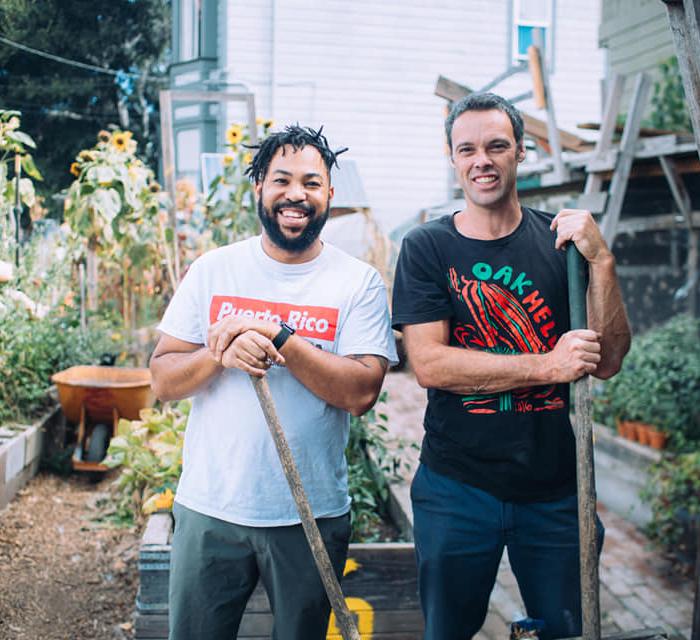
Common reasons for participation in these gardens involve their multifaceted appeal: access to fresh foods, undeniable health benefits, and the simple joy of enjoying nature. Research conducted in New York revealed that community gardens in low-income neighborhoods were four times more likely to lead to other neighborhood issues being addressed, demonstrating their power as catalysts for broader community development and health promotion. They provide open spaces for community gatherings and family events, integrate neighbors of different ages, races, and ethnic backgrounds, and empower lower-income citizens with food security. They offer avenues for gardeners to sell their surplus produce at local farmer’s markets, provide invaluable educational opportunities for both adults and children, and encourage the donation of excess harvest.
Starting an urban community garden in your city is a significant undertaking, but one that promises immense returns in delivering food equity and fostering stronger communities. The first step involves finding like-minded individuals with shared interests, concerns, and relevant experience—think local landscapers, nutrition experts, and healthcare professionals—to form a dedicated committee.
Next, it’s crucial to understand the local regulations and zoning requirements for urban agriculture. Programs like NYC Parks GreenThumb, which supports more than 550 urban community gardens and farms across the five boroughs of New York City, offer valuable guidance and resources for establishing new gardens. While each path to creating a community garden is unique, essential steps include choosing a suitable site, securing sponsorship, and meticulously designing and preparing the lot for planting.
Crucially, the committee must establish clear governance with rules for occupying plots, defining permissible plant types and produce, and outlining acceptable pest management methods. For an organic garden, this means strictly avoiding synthetic pesticides, fertilizers, and herbicides in favor of natural mitigation strategies.
The effort and time invested in establishing an urban community garden are substantial. However, the profound reward of feeding a hungry community, strengthening social bonds, and revitalizing urban spaces makes every moment worthwhile.
Can urban community gardens actually help with hunger in America? Well, there’s no one-size-fits-all answer for such a tough and complicated issue. But urban community gardens definitely stand out as a key piece of a bigger puzzle. In big cities where a lot of folks are struggling with poverty and live in areas without access to fresh food, these gardens are like little green oases. They provide a real and lasting way to make sure everyone can get clean, healthy food. By building a sense of community, one garden at a time, we’re helping create a healthier, fairer, and more connected future for everyone in the city.
Views expressed in this article are opinions of the author and do not necessarily reflect the views of The Epoch Times.